Skip to content

Category Archives: Environment

Posted inAbout to70, Environment, News, Press, Uncategorized

Press Release – To70 joins A4Climate project

A4CLIMATE – Cutting the Clouds: Europe’s Push to Reduce Aviation’s Climate Impact. A European Initiative for Smart, Climate-Compatible and Competitive Aviation

Aviation contributes to global warming through both CO₂ emissions and non-CO2 effects such as contrails. These line-shaped ice clouds form at altitudes of 8 to 14 kilometres under very cold and humid atmospheric conditions. Although contrails persist for only a few hours, their annual warming effect is comparable to that of all aviation-related CO₂ accumulated in the atmosphere since the beginning of aviation. Therefore, the EU has mandated the monitoring of these non-CO₂ effects by 2028.

The European research project A4CLIMATE aims to help significantly reduce aviation’s climate impact by minimizing contrail formation through smarter flight routing, advanced engine technologies and sustainable alternative fuels. Led by the German Aerospace Center (DLR), the project brings together 17 partners from nine countries, including experts from universities, industry leaders and stake holders. A4CLIMATE strengthens the scientific understanding of engine emissions, contrails and their climate effects, and translates this knowledge into practical solutions for more climate-compatible flight operations.

“A4CLIMATE explores contrails and their climate impact. Our findings will advance knowledge on how much specific engine technologies and smart flight operations can actually reduce the warming caused by contrails,” says project lead Christiane Voigt from DLR.

Using state-of-the-art models and measurement systems, the project employs a cutting-edge contrail prediction tool to assess 400 regular commercial flights designed to avoid contrail formation. Satellite data, ground observations and in-flight measurements are combined with advanced modelling to analyze how modern propulsion systems and alternative fuels can reduce contrails. A4CLIMATE also provides comprehensive atmospheric datasets on contrails, cirrus clouds and humidity for the validation of weather and contrail models.

Flights to Reduce Contrails

The first series of demonstration flights operated by TUIfly – supported by FLIGHTKEYS and DLR – has now begun. The core idea is simple: to avoid atmospheric regions where warming contrails are likely to form. Cost-based avoidance algorithms by FLIGHTKEYS calculate the climate optimal flight route and weigh the operational cost of trajectory adjustments against the climate benefit from reduced contrail formation. Since the beginning of the year, TUIfly has been regularly testing contrail avoidance in practice and has analyzed hundreds of their regular flights. The aim of these trials is to steer aircraft around air layers in which climate-warming contrails could develop.

Early demonstrations revealed two key challenges. First, manual data handling slowed feedback to pilots and operational teams. Second, real-world conditions, such as congested air space, flight delays, rapid weather changes and turbulence, often made contrail-optimized routes difficult to implement. In some cases, longer flight paths required to avoid contrails increased CO₂ emissions, potentially reducing the intended climate benefit. This highlights the need to carefully balance the trade-off between CO₂ and non-CO₂ effects.

A4CLIMATE is now addressing these challenges through a fully automated data pipeline that processes flight plans, provides instantaneous feedback to pilots and airlines, and collects real-time performance data. Satellite observations are used to verify whether contrail avoidance strategies are effective in practice. Additionally, comprehensive modeling will evaluate trade-offs in climate impact including uncertainties. These insights will guide the development of reliable and scalable tools to support less impactful aviation operations across Europe.

Innovative engines and alternative fuels

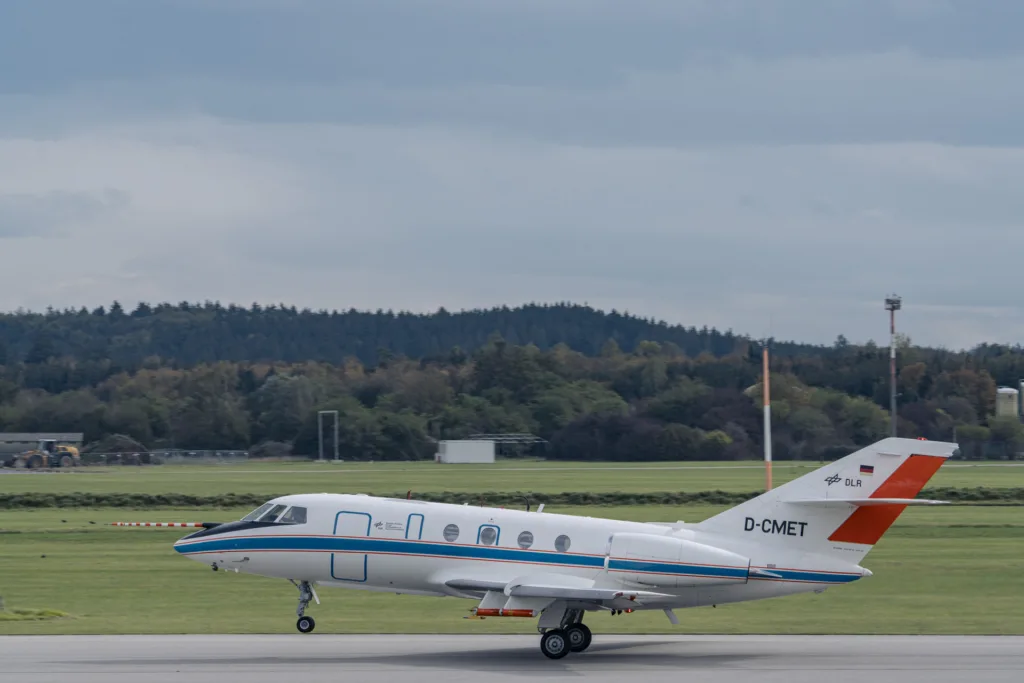
In parallel, the project investigates how modern engine designs and alternative fuels influence contrail formation. Laboratory tests on the ground and at airports are complemented by dedicated flight campaigns. For the new test flights in November 2025, DLR’s research aircraft Falcon 20E follows selected TUIfly observations flights specifically routed through contrail-forming regions. The Falcon 20E measures the resulting contrail properties from the TUIfly aircraft equipped with innovative, low-sooting lean-burn engines.

Soot particles serve as nuclei for ice crystal formation in contrails. While ground tests show that these engines emit extremely low soot levels, the impact of reduced soot on contrail formation and ultimately on climate warming remains unknown. Over the coming years, A4CLIMATE will address this knowledge gap and compare the climate benefits of various mitigation strategies, including modern engines, alternative fuels and operational measures.
Statement by To70

To70 provides advisory services on aviation and airspace operations and environment. We support Governments, Airports, ANSPs and large scale research groups. To70 has previously collaborated with DLR, DWD and AerLabs to support the European Commission DG CLIMA in developing the EU MRV legislation. Within A4Climate To70 aims to provide operational insights and analysis on the research outcomes, and to translate these outcomes to both the sector and to policy makers where possible. This will be done through mapping of operational costs and impacts as well as through policy recommendations. To70 looks forward to contributing to A4Climate by providing a clear translation of findings and outcomes to relevant stakeholders.

“This project allows us to apply our expertise on how aviation really works, thereby ensuring that research outputs can make a real-life impact.” – Vincent de Haes, A4Climate project manager To70

About the project

Launched in February 2025 with a four-year duration, A4CLIMATE is funded by the “Horizon Europe”-Programme by the European Union (Grant Agreement no. 101192301) to provide practical solutions that support sustainable aviation. The project gathers 17 partners from nine countries, forming a consortium led by German Aerospace Center (DLR), and comprising academic institutions, industry leaders, and consulting experts. Together, they collaboratively investigate strategies to minimize the climate impact of contrails and advance competitive aviation practices:

  • German Aerospace Center (Deutsches Zentrum für Luft- und Raumfahrt; DLR, Germany), Coordinator
  • Deutscher Wetterdienst (DWD, Germany)
  • Institutul National De Cercetare-Dezvoltare Aerospatiala “Elie Carafoli”- Incas Bucuresti (INCAS, Romania)
  • Max Planck Institute for Chemistry (MPIC, Germany)
  • Imperial College of Science Technology and Medicine (IMPERIAL, United Kingdom)
  • Johannes Gutenberg-Universität Mainz (JGU, Germany)
  • Goethe University Frankfurt (GU, Germany)
  • University Of Leeds (ULEEDS, United Kingdom)
  • The University of Reading (UREAD, United Kingdom)
  • FLIGHTKEYS GmbH (FKY, Austria)
  • To70 (To70, The Netherlands)
  • PNO Innovation Germany (PNO, Germany)
  • Sopra Steria Group (SSG, France)
  • TUIfly GmbH (TUI fly, Germany)
  • Breakthrough Energy (BE, United States)
  • Eidgenössische Technische Hochschule Zürich (ETH, Switzerland)
  • Eurocontrol – European Organisation for The Safety Of Air Navigation (EUROCONTROL, Belgium)

For more information, visit

Disclaimer

The information contained in this press release reflects the views and opinions expressed are however those of the author(s) only and do not necessarily reflect those of the European Union nor CINEA. Neither the European Union nor the granting authority can be held responsible for them.

Posted inEnvironment, Strategy

Towards 2050: Shaping a Future-Ready Industry

The Australian Aviation White Paper is a detailed policy framework designed to chart the future of this country’s aviation industry towards 2050. Released on August 26, 2024, it sets out the Australian Government’s strategy for the safe, competitive, productive, and sustainable future of the country’s aviation industry.

The White Paper and its 56 policy objectives were developed after extensive consultation with the aviation industry, state and territory governments, and Australian communities (on an initial Aviation Green Paper). The White Paper is a long-term agenda focused on establishing Australia as a global leader in aviation innovation and resilience.

Commitment to a Sustainable Future

The White Paper mainly focuses on Australia’s commitment to maximising aviation’s contribution to net zero emissions by 2050. The government recognises that decarbonising the sector, which largely depends on fossil fuels, is imperative. Some of the key strategies include promoting Sustainable Aviation Fuels (SAF) and offering incentives to spur domestic production and adoption. The keystone of this vision is SAF, which cuts emissions by up to 80% compared to traditional jet fuel. The government is offering incentives and funding for the domestic production of SAF and other low-carbon liquid fuels (LCLF) for A Future Made in Australia.

In addition, to improve fuel efficiency, investments in next-generation aircraft technologies, such as electric and hydrogen-powered aircraft, and improvements in air traffic management are being made. All these actions connect Australia’s objectives with global climate commitments while positioning the country as a leader in green aviation.

Enhancing Regional Connectivity

Regional airports are also essential for connecting Australia’s large and frequently isolated areas. The White Paper highlights the expansion of funding for regional airports and improves infrastructure to support safety, capacity, and access to larger aircraft. The government is also reviewing regional airfare affordability in the Productivity Commission to ensure that communities that rely on aviation for essential services, such as education and medical transportation, are not disadvantaged.

The focus on connectivity also includes efforts to integrate regional airports more effectively into the broader transport network to support economic growth and regional development.

Addressing Workforce Challenges

The aviation industry is severely short of trained professionals, and pilots, engineers, and air traffic controllers are particularly hard hit. Training programs are planned to increase, and academic institutions are being collaborated with to create a trained regional workforce.

The biggest airlines will be encouraged and, in many cases, mandated to invest in people’s development and growth. The government’s aim to fill the skills gap is even evident in the penalties implemented on organisations that are non-compliant with these promises. The steps taken to promote diversity initiatives include encouraging the involvement of women and Indigenous Australians as much as possible.

Infrastructure and Airport Reforms

The White Paper emphasises developing and updating Australia’s airport infrastructure, as air traffic will likely grow exponentially. Western Sydney International Airport will be opened in 2026, and it will boost the quality of passenger service while reducing airport congestion.

Major airport slot allocation system reform aims to enhance competition while ensuring fair access to existing and new competitors. Hence, these steps, combined with proper supervision by the Australian Competition and Consumer Commission, ensure an equitable interaction between airlines and airport operators and prevent monopolistic behaviour.

Embracing Emerging Technologies

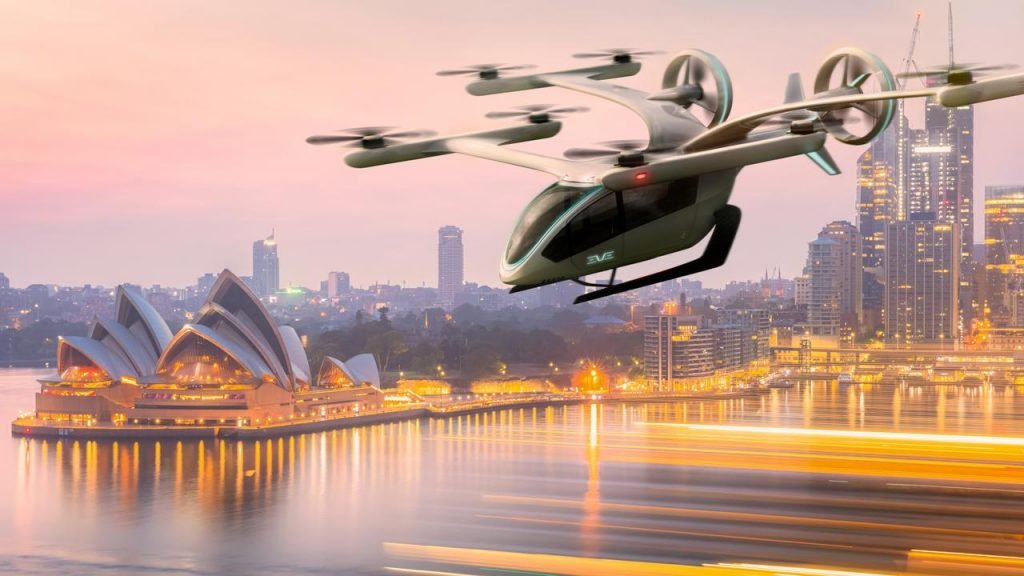
Integration of Advanced Air Mobility (AAM) vehicles with drones is important for implementing and using emerging technologies. The government has envisioned legislation that would balance innovation with societal concerns like safety, privacy, and noise pollution, thereby successfully deploying innovative technologies.

Emerging technologies are already revolutionising emergency services, agriculture, and logistics. The White Paper’s proactive approach to Uncrewed Aircraft Management (UAM) ensures Australia is leading the innovation in aviation globally.

A Vision for 2050

The White Paper offers a long-term vision of an inventive, sustainable, and equitable aviation industry. It will continue emphasising flexibility by adapting policies to embrace new opportunities and problems. The framework shall make Australian aviation resilient and visionary by encouraging cooperation among various stakeholders and adhering to international best practices.

The White Paper presents many opportunities for To70 to be part of shaping the future of the aviation sector in Australia and the communities that interact with our industry. It provides detailed guidance on policy priorities, challenges, and opportunities, providing consultants a roadmap to deliver innovative and impactful solutions. The art of transforming such high-level insights into practical, tailor-made solutions delivers success for our clients while also making To70 trusted advisors in the changing landscape of policies.


References

  1. Aviation White Paper
  2. How will we improve the aviation sector – Towards 2050
  3. Delivers for customers, regions and workforce
  4. Aviation White Paper has landed
  5. The Government White Paper
  6. Hawker Britton – Government Relations Strategy
  7. Australian Government’s Aviation

Posted inEnvironment, Strategy

Airport Carbon Accreditation: Expansion in Brazil

Sustainability in the airport sector is a growing concern, and reducing carbon emissions has become a global priority. Brazil has stood out in South America for its progress in the Airport Carbon Accreditation (ACA) Program, both in terms of the number of accredited airports and the diversity of certification levels achieved. What is driving this prominence and how is Brazil expanding its carbon management practices in the airport sector? Below, we analyze the current scenario and the prospects for expansion.

Analysis and Expansion of Accreditation in Brazil

During the XXI SITRAER (Air Transportation Symposium), representatives of To70 Brasil, including the company’s manager in the country and one of its employees, presented the article “Comparative Analysis of Carbon Accreditation in South American Airports: Focus on Brazil and Expansion Perspectives”. The study presented a comprehensive analysis of carbon accreditation among airports in South America, with an evaluation by airport size and passenger demand at accredited airports.

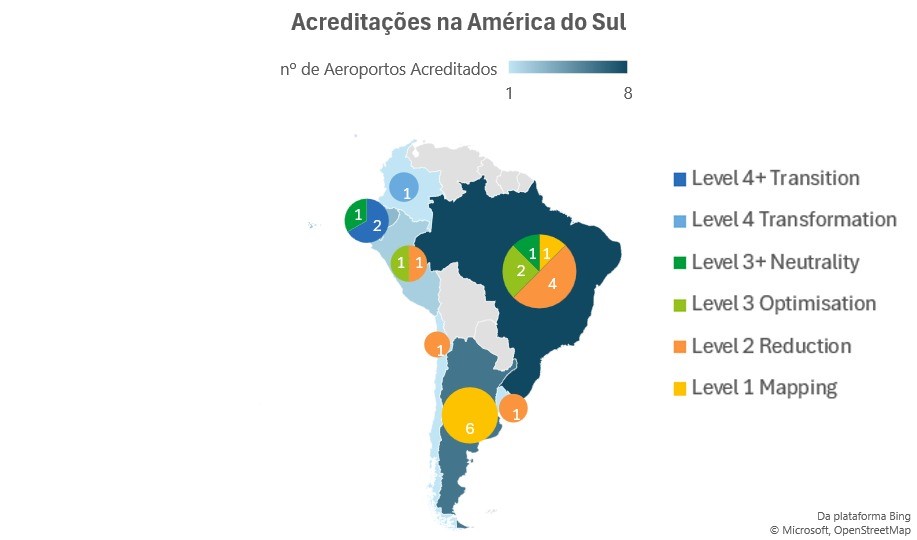
Brazil leads South America in the Airport Carbon Accreditation Program, with 9 of the 22 accredited airports in the region. These airports have a variety of certifications, ranging from initial to advanced levels. This leadership is due, in part, to the strong performance of operators such as Zurich Airport Brasil, BH Airport, Vinci Airports, Rio Galeão, Inframerica and Infraero, which have promoted the adoption of robust carbon management practices.

In addition, these and other concessionaires are also expanding their carbon management initiatives, adhering to programs such as the GHG Protocol’s Brazilian Public Registry, which allows for transparent monitoring of emissions, and participating in awards such as Sustainable Airports, promoted by the National Civil Aviation Agency (ANAC). These actions show a broader effort in the sector to align with global decarbonisation targets and contribute to more sustainable aviation in Brazil.

Despite this progress, there is still enormous potential for growth. With 504 public aerodromes, of which 63 are operationally certified and another 22 are in the process of being certified by ANAC, many airports can benefit from the ACA program. The expansion of airport concessions and re-bidding are factors that should accelerate this uptake, further expanding Brazil’s presence on the international airport sustainability scene.

To70 consulting in the ACA Program

To70 Brasil is currently assisting eight Brazilian airports in the ACA Program certification process. Three of these airports are advancing to level 4 (Transformation), which requires not only emissions management, but also the absolute reduction of emissions in partnership with third-party operations. This level reflects a profound operational change to achieve decarbonisation goals.

In addition, another five airports are entering the program at level 1, which marks the first step in monitoring and managing their carbon footprints. To70 provides technical advice to help these airports develop emissions inventories, identify reduction opportunities, and prepare for more advanced levels of certification, aligning their operations with global sustainability best practices.

To wrap up

Brazil has shown a significant commitment to decarbonising the airport sector, leading South America in terms of airports accredited by the ACA Program. The growing participation of airports in the program reflects an expansion trend that is expected to intensify in the coming years, driven by the entry of new operators and the strengthening of concessions.

To70 Brasil will continue to play a leading role in this movement, providing expertise and innovative solutions to support airports on their journey towards emissions reduction and carbon certification. By doing so, To70 contributes directly to the development of more sustainable and efficient aviation in Brazil and throughout South America.


ABOUT THE AUTHOR

Mateus Reis

Professional with a career in Environmental Engineering, focusing on Environment and Sustainability, with 5 years’ experience in aspects inherent to environmental management and airport operations. During his work with the airport operator, he helped develop a tool for calculating the carbon footprint and controlling evidence, which was recognized and awarded by ACI/LAC. At To70, he focuses on Net Zero and ESG roadmaps, as well as supporting ACA program accreditations.


Posted inAir operations, Environment, Regulation, Safety

eVTOL Revolution: Soaring potential, grounded challenges

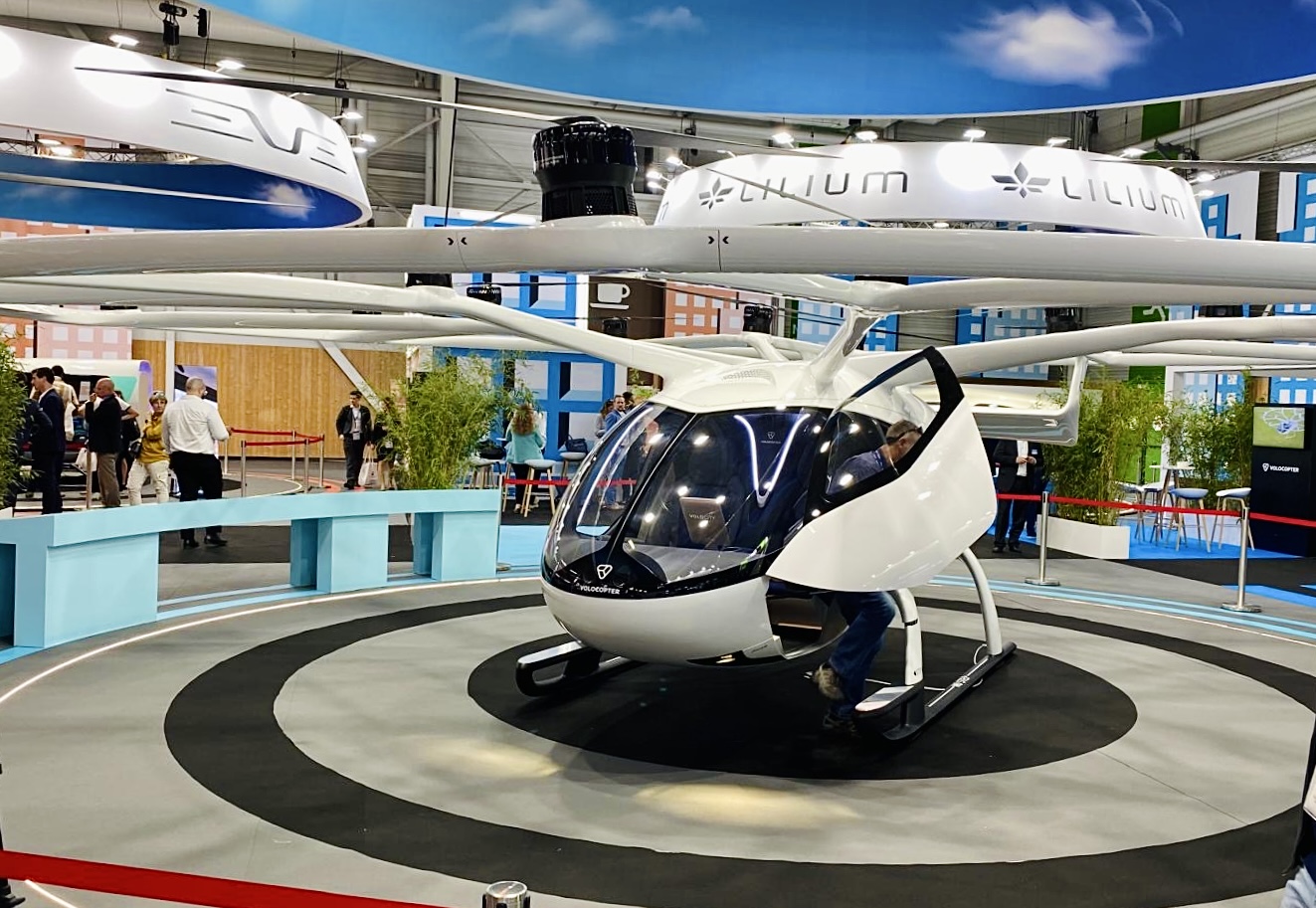
Electric Vertical Take-off and Landing (eVTOL) aircraft are expected to enter the market by the end of this decade, with over 250 companies, such as Lilium, Archer Aviation, Volocopter and Wisk  developing two to seven-seater eVTOLs with a range of 100 to 200 kilometers. Many are forming partnerships with airlines to accelerate their market entry.

As eVTOL technology evolves, it’s potential to revolutionize airport transportation as fast, efficient shuttles is promising, but challenges related to regulations, infrastructure, and public acceptance must be addressed. This blog explores the challenges of using eVTOLs as airport shuttles for transferring passengers to and from airports in Europe.

Legal compliance

The foremost challenge is to be compliant with regulatory requirements. The much-anticipated debut of Volocopter’s eVTOL passenger flights at the Paris Olympics 2024 was delayed due to multiple setbacks, including engine certification [1]. Most of the eVTOL stakeholders can currently focus only on obtaining ad-hoc certification for testing and demonstration purposes.

The legislative and regulatory efforts are currently falling short. The European Commission released a regulatory package in April 2024 targeting manned VTOL governing the operations in ‘specific category’ [2]. These regulations aim at initial airworthiness, oversight, enforcement of continuing airworthiness, operational and maintenance requirements. There still needs to be development of safety certification standards for ‘certified category’ to conduct passenger eVTOL services.

Public Acceptability

Another key challenge for eVTOLs is the high noise emissions during operation. Even after Volocopter receiving initial approval for its Paris Olympics project, municipal authorities and NGOs filed a lawsuit to revoke the authorization due to concerns over excessive noise [3]. Building on the existing international noise standards for traditional aircraft, EASA has already consolidated its consultation paper for Environmental Protection Technical Specification (EPTS) standards applicable to eVTOL during approach, take-off, overflight and hover [4].

One notable factor to consider is that the newly released EASA’s Prototype Technical Specifications for Vertiports proposes a new concept of funnel-shaped area above the vertiport which takes into consideration the noise restrictions [5].

Airspace Management

To strengthen their value proposition, eVTOLs will need to operate frequently at busy airports. This requires updating the airspace management, developing the Concept of Operations (ConOps) and also training air traffic controllers. Flying into a controlled airspace of busiest airports will also demand coordination and integration with existing flight operations to ensure safety and efficiency. It is already possible to fly drones in ‘open category’ in controlled airspace in European countries like Germany, Finland, Poland and the Czech Republic.

Netherlands is currently investigating the possibilities to expand the civilian controlled airspace of airports for drone operations within the ‘specific category’. The Dutch government proposes to not only have an operational authorization, but also a certified Radio Traffic (RT) operator for two-way radio communications for each flight [6]. These advancements could be used as foundation for developing controlled airspace usage for ‘certified category’. But it must not be forgotten that these national developments contradicts the standards stipulated in Standardised European Rules for the Air (SERA), which aims at harmonisation of airspace usage within the single European sky [7]. 

Airport Infrastructure capabilities

Another major hurdle is inadequate infrastructure facilities. To address this hurdle some European airports including Aeroporti di Roma, have begun developing test vertiports [8]. eVTOL companies along with the airports are also collaborating with vertiport design and management companies such as  UrbanV Air Mobility for constructing appropriate surfaces for eVTOL operations [9]. These developments highlight the need for developing more vertiports on the ‘landside’ and installing charging stations for electric air taxis. Consequently, the demand for energy storage and recharging systems will rise, which may lead to longer lead times for these components and additional strain on electric power grids. Lack of comprehensive studies on the power consumption of eVTOLs exacerbates the strain on power grids. Therefore, hydrogen-electric powered eVTOLs, such as those developed by Joby Aviation, could provide a viable solution to help alleviate the strain on power grids.

Additionally, eVTOL operations will require designated apron areas and stands for parking, passenger disembarkation, and baggage handling when passengers are transferred directly to their gates. Airside facilities must also include sheltered hangars for storage and maintenance areas for MRO (maintenance, repair, and overhaul) services. The utilization of these facilities implies that eVTOL operators may likely incur airport fees or charges.

Airport charges

Landing and take-off charges, noise, emission-related fees, passenger charges, and parking fees will have to be determined by airports. With various players expected to enter the eVTOL market soon, airports must establish transparent and non-discriminatory pricing as current legislative instruments governing airport charges likely apply to eVTOLs. According to Directive 2009/12/EC on airport charges, the term ‘airport user’ refers to “any natural or legal person responsible for the carriage of passenger,….by air to or from the airport concerned”. This enforces that eVTOLs fall under the definition of airport users, subjecting them to the same legal instruments.

However, various collaboration patterns among airlines, airports, and eVTOL companies may necessitate a reassessment of airport charge implementation. For instance, the Lufthansa Group and Lilium have signed a Memorandum of Understanding (MoU) to explore a strategic partnership for eVTOL operations at airports and potential collaborations with regional airports [10].  This tripartite agreement could allow airports to charge airlines directly for eVTOL usage, potentially increasing passenger airline ticket prices. Furthermore, the collaboration between airlines and eVTOLs may lead to seamless multimodal transportation, similar to the Air-Rail initiatives in Europe.

Airport Security

The vertiports on the landside of airports must adhere to the same stringent level of security clearance requirements as applicable to passengers boarding any traditional aircraft. As mentioned earlier, passenger cabin and baggage screening must be implemented either through the normal baggage flow or via designated transfer checkpoints or hold baggage injection point [11]. Therefore, it depends upon the specific use case of eVTOLs for implementing security clearances. Hybrid scenarios have also been envisioned where the baggage will be screened in eVTOL’s “hold” itself with lightweight screening technology.

Furthermore, with the rising number of drone violations [12], airports must monitor and address malicious intrusions to protect airports and eVTOL operations. Implementing drone intrusion management systems such as the emerging Airport System Protection from Intruding Drones (ASPRID) [13] and C-UAS for cybersecurity risks, could enhance security and more effectively mitigate potential threats.

Final reflections

Considering the rapid pace of growth, innovation, and the significant investment in the sector, the current approach to its development is fragmented when it comes to ensuring safety and security. Most importantly, public demand and acceptability must be assessed in aspects relating to privacy, noise among others before investing and planning. EASA may have to expedite the process of drafting safety requirements as eVTOLs come closer to reality. Suitable revisions have to be made to the existing Regulations, or draft new ones to reflect the operational requirements for eVTOLs [14]. Despite promising leads from industry players and investors, the realization of eVTOL operations remains distant.


[1] Paris ‘flying taxi’ flights scrapped during Olympics, Le Monde, 8 Aug 2024

[2] European Commission adopts regulatory package, giving go-ahead for VTOL operations and air taxis, EASA, 10 Apr 2024

[3] City of Paris takes legal action against ‘flying taxis’ during Olympic Games, Le Monde, 19 Jul 2024

[4] Consultation Paper: Environmental Protection Technical Specifications (EPTS) applicable to VTOL-capable aircraft powered by tilting rotors, EASA, 12 Dec 2023

[5] Prototype Technical Design Specification for Vertiports, EASA, 24 Mar 2022

[6] IenW wants to offer drone pilots more options in CTRs, Dronewatch, 17 Apr 2024

[7] Standardised European Rules of the Air (SERA), EASA

[8] Italy’s First Vertiport Deployed at Fiumicino Airport, Aeroporti Di Roma, 6 Oct 2022

[9] Lilium and UrbanV to collaborate on vertiports in Italy, the French Riviera and beyond, Lilium, 21 Jun 2023

[10] Lufthansa Group and Lilium sign Memorandum of Understanding for strategic partnership, Lilium, 7 Dec 2023

[11] ACI Europe Position – Advanced Air Mobility, ACI, Mar 2022

[12] Mandourah, A., & Hochmair, H. (2022). Analyzing the violation of drone regulations in three VGI drone portals across the US, the UK, and France. Geo-Spatial Information Science27(2), 364–383

[13] D Pascarella et al (2024), Drone intrusion management systems in airports: assessment of ASPRID solution, J. Phys.: Conf. Ser. 2716 012070

[14] Scott, B. I. (2024).Passenger air taxi services: an assessment of the current European Union Rules on consumer protection for passengers. Journal Of Intelligent & Robotic Systems, 110, 1-17. doi:10.1007/s10846-024-02057-8


Posted inEnvironment, Safety

New EASA Regulation: what will happen to ground handlers?

Airports are complex environments where numerous operations work in harmony to ensure safe, efficient, and timely flights. Ground handlers are key players in this ecosystem and provide a range of essential services, from refueling, managing  check-ins and boarding passengers to loading cargo. Their work is crucial to keep airport operations running smoothly and avoiding delays or disruptions.

Unfortunately, in recent years, there has been a rise in incidents occurring on ground. This trend has prompted EASA (European Union Aviation Safety Agency) to investigate and introduce new safety regulations for airport handlers.

Ground handlers activities and risks

Ground handlers play a highly responsible role in ensuring that flights depart and arrive safely and on time. Their tasks include aircraft refueling, cleaning, towing, baggage handling, passenger assistance, and cargo management. Each of these activities requires precision, coordination, and adherence to protocols.

However, these duties carry significant risks. Tight schedules and short turn-around can lead to rushed procedures, compromising safety. For example, errors in refueling or towing can result in damage or delays. Ground handlers must constantly balance speed with safety, ensuring all protocols are meticulously followed to prevent incidents that could disrupt airport operations.

Whilst air accidents are declining, ground incidents do not seem to follow this trend. According to the analyses conducted by To70 in recent years, the number of events, incidents and accidents,  on airport grounds has significantly increased also in relation to the rapid recovery from the Covid-19 pandemic. This can be explained by the fact that increasingly advanced technologies allow for ever-safer flights. On the other hand, ground events are rising despite the significant focus on safety by operators, who are developing Safety Management Systems and seeking solutions to prevent incidents. This trend has brought attention to a rapidly growing issue, driven by the increase in air traffic worldwide, which EASA has decided to investigate.

EASA Opinion 01/2024

After many years of detailed studies, the investigation conducted by EASA has yielded several interesting results:

  • The lack of specific EU regulations leads to inconsistent safety practices, especially among smaller GH organizations.
  • The focus on injuries and fatalities as safety indicators fails to capture frequent damage incidents, pointing to deeper problems involving human error, organizational shortcomings, and technological issues.

It was therefore decided to develop and introduce new regulations with clearly defined objectives and stakeholders involved. The new regulation recognizes GH organizations as key players in aviation safety and aims to standardize practices across the sector. It introduces mandatory Safety Management Systems and standardized training to create a consistent approach to safety management and improve oversight.

The stakeholders affected by the new Ground Handling (GH) Regulation include:

  1. Ground Handling Service Providers (GHSPs): These entities, whether large or small, providing various or limited GH services at EU aerodromes, must submit a declaration to their competent authority, committing to the safe provision of GH services.
  2. Aircraft Operators: Both self-handling operators and those relying on contracted GH organizations will be affected. Self-handling operators of complex-motor-powered aircraft will need to integrate new GH elements into their existing management systems.
  3. Aerodrome Operators: Those providing GH services and those who do not will be impacted. The new regulation will clarify the roles and interfaces between aerodrome operators and GH organizations..
  4. Competent Authorities: They will oversee GH services and organizations, standardizing oversight across EU aerodromes. Competent authorities will need to train inspectors, develop oversight procedures, implement a planning cycle, collect annual reports, and manage GH service declarations using a central information repository.

Overall, the regulation aims to improve safety and standardize practices across various stakeholders involved in ground handling at EU aerodromes.

The proposal seeks to:

  1. Create Fair Competition: Establish uniform standards for ground handling (GH) services and organizations at EU aerodromes, ensuring consistency with the Basic Regulation.
  2. Ensure Safety: Set a safety baseline for GH activities to enhance overall safety at EU aerodromes.
  3. Support Safety Culture: Provide a legal framework to assist GH organizations in developing and maintaining a robust safety culture.
  4. Improve Risk Management: Develop effective interfaces for managing safety risks, facilitating collaboration between GH organizations, aircraft operators, and aerodrome operators, and promoting the exchange of safety information.
  5. Set Training Standards: Implement minimum training requirements for GH personnel to ensure their competence and maintain their skills over time.
  6. Reduce Audits: Lower the number of audits currently required by aircraft operators for GH organizations’ contracted activities.
  7. Enhance Oversight: Establish a system for competent authorities to oversee GH organizations, focusing on cooperative and risk-based oversight approaches.

The proposal aims to enhance safety and fair competition while improving operational efficiency. It anticipates that risk-based oversight will reduce the need for extensive audits and foster better communication and safety practices among GH organizations, aircraft operators, and aerodrome operators. By integrating ground handling into the European safety framework, the EU underscores its vital role in aviation safety.

Conclusion

The work of ground handlers is highly complex and fraught with challenges. They are responsible for bridging the gap between airlines and the airport, ensuring the proper functionality of both systems and enabling each aircraft to complete its turnaround as quickly and safely as possible. Things do not always go according to procedures, causing inconvenience to passengers and damage to aircraft. In Europe, EASA is about to formalize new regulations, described in the last section. At To70, the support provided to airport handlers is divided into two main and complementary aspects: on one hand, the company facilitates the transition of handler procedures to the latest regulations, and on the other, it helps handlers identify areas for improvement by adopting international best practices tailored to the specific characteristics of the airport in which the handler works.


Read more Articles and News

Posted inEnvironment

Airports at a crossroads to take full advantage of SAF and CSR

An opportunity to support local businesses and local communities

12% of passengers flying out of European airports are business travellers, making 30% of the travel volume across Europe (due to frequent flying)[1]. While flying is a catalyst for successful business, it comes at an environmental cost that corporates and businesses are being increasingly scrutinised for. Yet, the good news is airports have solutions to offer to reduce aviation related emissions while contributing to ongoing cutting-edge research. This blog post specifically explains how airports can explore the potential of Corporate Social Reporting (CSR) and sustainable aviation fuel (SAF) to address the impact of business travel while improving the day-to-day wellbeing of local communities.

RefuelEU & CSR goals – a happy marriage

If you are reading this blog, you have most likely heard about RefuelEU. Therefore, you will know that it mandates the use of SAF across all union airports[2] by January first 2025. As of this date, RefuelEU sets a transitional period, the so-called book and claim period, during which SAF can be bought at one airport while claimed at another one. The transitional period will come to an end on 31st December 2034. Getting SAF at every union airport by this date is a challenge the industry should start thinking about.

Corporate social responsibility (CSR) goals create a momentum to increase SAF availability at airports by advancing Airport – Corporate partnerships.

While only large companies are bound to fully implement ESG goals under the EU CSR Directive (CSRD)[3], all businesses are highly encouraged to commit to CSR goals to showcase the actions taken in this regard; it has even come to be the licence to operate for many. For companies where business travel is a significant part of their emissions, decarbonising corporate travel is critical and SAF is currently the main lever to pull.

Decarbonising corporate travel through local SAF uptake

As a facilitator for air travel, airports can contribute by acting as an intermediary between fuel suppliers and corporates willing to purchase SAF. This solution also directly supports SAF scale up at the airport. Examples of such intermediary actions include:

  • Communicating to corporates about what SAF can achieve (and what it cannot);
  • Raising awareness on the benefits of uptaking SAF, especially locally (e.g. on the airport site).

In practice, airports could also, for instance, set up a blockchain system that allocates a SAF batch purchased by a fuel supplier to corporates willing to mitigate business travel.

By taking such actions, not only will airports reduce their scope 3 emissions, critical in reaching net zero targets, but they can also lead by example, and ensure them and their partners are aligned with the ReFuelEU regulation in time. Global SAF uptake fundamentally contributes to a brighter future in the aviation industry, which may be intrinsically linked to how corporate’s own business may flourish. However, incentivising local SAF uptake goes one step further for local communities and airports to benefit from the full potential of SAF.

On top of decarbonising the aviation sector, local SAF uptake supports the local supply chain and job creation. Above all, SAF uptake has shown to improve local air quality, though more research is needed[4]. Therefore, by purchasing SAF and uptaking it on the airport site, local businesses not only support local actors but will also have a positive impact on their immediate territory.

Contributing to state-of-the-art research

Increasing research is being performed on how SAF may improve local air quality (e.g. Particulate matters, Sulfur). Studies have recently been conducted on the non-CO2 impact of SAF by the EU Alight project, DLR and To70, among others, which showed promising results[5]­ [6]. One main finding is that high blend ratios are necessary to have a substantial impact on local air quality.

Starting an airport-led SAF purchase can be the opportunity to set-up a partnership with a research institute, specialised in local air quality assessment. Such partnerships could lead to more clarity on local impacts of SAF through tests with different uptake scenarios (10, 15, 20% or more SAF blend) to evaluate the effect on air quality around airports. This also shows the effort of the airport to engage with local communities and improve their everyday well-being, therefore advancing their own CSR goals.

At To70, we are committed to supporting airports in adopting strategies to reduce their environmental footprint and to advance aviation industry-wide climate goals, such as SAF deployment. In this regard, To70 has been actively contributing to SAF deployment within, for instance, the European-funded project Stargate[7] as well.

By applying global knowledge to identify tailored solutions, To70 works relentlessly with its partners to advance future proof solutions for the aviation sector.

Bibliography

[1] Corporate travel | Transport & Environment (transportenvironment.org)

[2] Airports where the yearly passenger traffic is higher than 800.000 passengers or where yearly freight traffic exceeds 100.000t

[3] Publications Office (europa.eu)

[4]How sustainable are SAF? | EASA Eco (europa.eu)

[5] BIOFUEL IMPROVES AIR QUALITY – SAS (sasgroup.net)

[6] RSB and To70 publish case study on the non-CO2 impact of sustainable aviation fuels – RSB

[7] Home — Stargate (greendealstargate.eu)


Read more Articles and News

Posted inEnvironment, Strategy

Thailand’s Sustainable Aviation Fuel Initiative: Establishing a Sustainable Future for Aviation

As the global aviation industry seeks ways to reduce its environmental impact, Sustainable Aviation Fuel (SAF) has emerged as a promising solution. SAF offers a viable path to significantly cut carbon emissions from air travel, thereby contributing to global climate goals. In line with the International Civil Aviation Organization’s (ICAO) policy of achieving net-zero carbon emissions by 2050, Thailand is at the forefront of this green transition. This blog explores the current state, challenges, and the prospects of Thailand’s SAF initiative, highlighting how SAF not only reduces carbon emissions but also benefits other industries.

Current Status and Key Players in SAF Adoption 

In the recent years, Thailand has made tremendous efforts in adopting SAF. Local airlines and airports have started to incorporate SAF into their operations, demonstrating their commitment to sustainability. For example, a major airline has already conducted several successful SAF test flights to showcase the feasibility and safety of this alternative selection of fuel. Several airlines are set to follow the trend by scheduling their SAF test flights within the premise of this year. Moreover, major airports and authorities have begun their project to incorporate SAF into their fuel supply chains, setting a precedent for others to follow.

Thailand’s local production capabilities are also worth to be looking at. With the growing interest in SAF, the country has invested in building infrastructure to support SAF production, both from the government and the private sector, focusing on levering domestic resources. Thailand’s rich agricultural provides a plentiful supply of feedstocks, such as used cooking oil and agricultural residues, which are essential for producing SAF. Major companies in the energy sectors are also play important roles in the production of SAF, with the cooperation of one of the biggest aviation fuel services companies, they aim to start the production of SAF to be at 1,000,000 Liters per day mainly form used cooking oil, beginning at
the fourth quarter of 2024 for the global use in the aviation industry. 

Government and aviation sector cooperation must be strong for Thailand’s SAF effort to succeed. The Thai government will have to collaborate extensively with airlines, fuel companies, and other stakeholders to create a favourable climate for SAF adoption. This includes creating supportive legislation, providing financial incentives, and facilitating R&D. Key airlines have played an important role in furthering the SAF agenda. By investing in SAF and participating in trial programs, these carriers have shown their viability and encouraged greater industry participation. Furthermore, international cooperation has been crucial in Thailand’s SAF path. The country has formed various partnerships and agreements with international organizations to encourage, participates in an international aviation organization’s carbon offsetting and reduction plan, which promotes the use of SAF to reach emissions reduction targets.

Moreover, the Civil Aviation Authority of Thailand (CAAT) is positioned as a pivotal actor in driving forward and endorsing the new policy initiatives surrounding Sustainable Aviation Fuel (SAF). As Thailand advances its commitment to sustainability in aviation, CAAT’s proactive role becomes increasingly vital. They are tasked with not only advocating for SAF adoption but also with establishing robust regulatory frameworks that uphold international standards.

Broader Benefits of SAF: Beyond Carbon Emissions

One of the most compelling aspects of SAF is its potential to benefit industries beyond aviation, particularly in agricultural sectors. By utilizing agricultural residue and non-food crops as feedstocks for SAF production, the initiative supports the agricultural sector in several ways:

Boosting the Agricultural Economy

The additional revenue stream for local farmers could be generated by selling agricultural residues which would otherwise be considered waste, such as rice straw and sugarcane bagasse.  This could significantly enhance the livelihoods of local farmers and remarkably contribute to the rural economy. Moreover, new opportunities and markets may arise for the farmers by cultivating energy crops specifically for SAF production.

Enhancing Waste Management

SAF not only benefits the agricultural sector in terms of economic growth, but also helps the sector to promote better waste management techniques and practices by converting agricultural waste into valuable fuel. This not only reduces the environmental impact of agricultural waste disposal but also contributes to a circular economy where waste materials are repurposed and reused efficiently.

Challenge and Future Prospects

One of the primary challenges in SAF adoption is its economic viability. Currently, SAF is more expensive to produce than conventional jet fuel, primarily due to the high costs of feedstocks and production processes. This price disparity poses a significant barrier to widespread SAF adoption.

However, the Thai government has implemented various measures to address this challenge. Financial incentives, subsidies, and tax breaks are being offered to airlines that use SAF, helping to offset the higher costs. Additionally, continued investment in research and development is expected to drive down production costs over time, making SAF more economically competitive.

A critical development is the draft version of an act of legislation that is in place and expected to be approved by the Thai parliament by the middle of this year. This legislation aims to solidify the government’s commitment to SAF and provide a legal framework that supports its adoption and production. It is expected to include measures such as mandatory blending quotas, tax incentives, and subsidies, which will make SAF more competitive and attractive to investors.

CAAT’s active involvement ensures that the SAF initiatives align with global best practices and regulatory requirements. This includes overseeing the safety, quality, and operational standards of SAF production, distribution, and usage within Thailand’s aviation sector. By setting clear guidelines and standards, CAAT aims to instil confidence in SAF among stakeholders, including airlines, airports, and fuel suppliers. Furthermore, CAAT will be collaborating closely with government bodies and industry stakeholders to harmonize SAF policies with global aviation standards and environmental goals. Their efforts extend beyond regulatory oversight to fostering partnerships that promote research, innovation and the development of sustainable aviation solutions.

Looking ahead, continued policy support and incentives will be crucial for the growth of the SAF market in Thailand. The Thai government is committed to creating an enabling environment for SAF adoption, with plans to introduce more supportive policies and increase financial incentives. These measures are expected to drive greater investment in SAF production and adoption, helping Thailand achieve its sustainability goals. By fostering a conducive policy environment, Thailand can attract more players to the SAF market and ensure its long-term viability.

Takeaways 

Thailand’s SAF initiative represents a bold and proactive step towards sustainable aviation. By integrating government support, industry collaboration, and technological innovation, Thailand is paving the way for greener skies. The challenges are significant, but the opportunities are even greater. Continued efforts to promote SAF adoption will not only help Thailand achieve its sustainability goals but also position the country as a leader in the global transition to sustainable aviation. Moreover, the broader benefits to industries such as agriculture highlight the multi-faceted advantages of the SAF initiative, fostering a more sustainable and economically vibrant future.

At To70 Thailand, we are proud to be at the forefront of SAF initiatives in the country. Our team is actively involved in various projects and research efforts to explore and maximize the opportunities presented by SAF in Thailand’s aviation sector. Through our expertise and commitment, we are dedicated to driving forward the adoption and development of sustainable aviation fuels, contributing to a greener and more sustainable future for Thailand.


Read more Articles and News

Posted inEnvironment, Safety, Sustainability & Innovation

On the rise: Aviation’s Non-CO2 emissions   

Except for a handful of aviation academics and experts looking into the climate warming impact of non-CO2 emissions, the topic was largely avoided in the past decades. Now the issue is on the rise, and it is time to inform the sector 

The rise of Non-CO2 emissions 

In 2020, EASA kicked off the debate into non-CO2 in aviation by publishing “Updated analysis of the non-CO2 climate impacts of aviation and potential policy measures pursuant to EU Emissions Trading System Directive Article 30(4)[1]”. This sector report followed many years of research on non-CO2 emissions in aviation, describing the radiative forcing (ergo climate warming) impact of non-CO2, contrail modeling and warming impact assessment. The academic and EASA results show non-CO2 emissions warming impact may be equal to or even twice as high as CO2 emissions.   

In recent years, several EU research projects as well as contrail trials were set up by flight planner Flightkeys and network manager EUROCONTROL. Most recently, the topic has been picked up by EU legislators in the form of a heavily debated (and lobbied [2]) Monitoring, Reporting and Verification (MRV) framework. In the meantime, the academic front continued their research. Under leadership of the DLR, Imperial College, MIT and others, progress is being made on atmospheric physics that explains where contrails form, prediction; and mitigation strategies. Google Research is including satellite imagery data to further improve the models. (figure 1). Finally, Breakthrough Energy’s Reviate team is specializing in predicting contrail formation and has developed an interface to allow airlines to build contrail avoidance into their flight planning. 

Figure 1: Reviate Contrails map

Considering the recent action and new insights around the topic, many aviation stakeholders are likely (and rightly) wondering: “Is this relevant for me and if so, why?”. To answer that question, let’s first dive into what non-CO2 emissions are.

Contrail formation 

The main non-CO2 emissions from aviation in terms of climate warming impact, are nitrogen oxide (NOx) emissions, water vapor emissions, but above all formation of persistent contrails that contribute at least 86% of the total non-CO2 emissions in aviation. Contrails are cirrus clouds that form as a result of aircraft engine soot particle and water vapor emissions reacting with the water vapor in the atmosphere. These clouds can have both a cooling effect by reflecting sunlight, and a warming effect when they block heat radiating off the earth. The total warming effect is larger than the cooling effect. This leads to a net warming effect.

Figure 2: Contrail impact (Reviate)

Globally, only around 5% of all flights form over 80% of the warming contrails. Adjusting a small portion of flight operations could lead to a considerable reduction of warming impact. There are two main methods being advanced to reduce (warming) contrail formation. First is the use of alternative fuels that produce less soot and thereby less contrails, though the effect of this seems limited with current SAF targets [3]. The second method is the avoidance of contrails by adaptation of the flight path to avoid atmospheric areas that are prone to contrails (so called “ice super saturated regions”). This way, contrails are not formed regardless of the engine emissions. At To70 we have teamed up with Breakthrough Energy and several airlines and flight planners to work on contrail avoidance in the EU innovation fund application “Contrail Pilots”.

Airports

Although airports do not seem to have a significant role (yet), they are interested in the topic. For airports, non-CO2 emissions historically focus on local emissions (Particulate matter, nitrogen oxides) emitted during taxi, takeoff and landing. In a project To70 did for the Roundtable on sustainable biomaterials (RSB), we assessed the role of airports in reducing aviation non-CO2 emissions to improve local air quality and to reduce contrail formation. The key takeaways presented to RSB focused on (1) stakeholder engagement to increase the use of targeted SAFs, (2) identifying opportunities for optimal SAF supply chains and (3) the development of market shaping strategies that incentivize the use of SAF to reduce non-CO2 emissions. In terms of flight path or airspace changes, airports do not have a significant role as of yet though these are being explored. 

Air Navigation Service Providers

At first glance, ANSPs would seem to be the most impacted by non-CO2 emission mitigation strategies that involve adjusting the flight’s route and profile, as they govern airspace. They should be well informed on the topic and have a clear grasp of potential changes. However, recent developments and trials by flight planners show that pre-tactically changing flight plans to avoid ISSRs may be sufficient to reduce contrail formation. The ANSP or network manager would see incidental but high impact flight plan adaptations due to contrails mitigation but would not have to adapt their own systems. On the other hand, EUROCONTROL has run initial trials to reduce contrail formation through tactical adjustments of flights within the airspace rather than by the flight planner on the ground.

These strategies for airports, ANSPs and other aviation stakeholders are currently being further developed and tested. At To70, we see the need to inform stakeholders and support them in taking action to reduce non-CO2 emissions. Beyond our support to the EU MRV and airport non-CO2 insights, To70 is able to provide knowledge on environmental impacts of non-CO2 emissions as well as knowledge on the practical implementation of mitigation strategies. We can provide this from an operational airport, airline, government policy and ANSP perspective. We look forward to reducing non-CO2 emissions together with the sector.  


[1] Updated analysis of the non-CO2 climate impacts of aviation and potential policy measures pursuant to EU Emissions Trading System Directive Article 30(4) – Report from the Commission to the European Parliament and the Council | EASA (europa.eu)

[2] Airlines divide over new EU rules on monitoring and reporting of their non-CO2 emissions – GreenAir News

[3] Teoh, Roger, et al. “Targeted use of sustainable aviation fuel to maximize climate benefits.” Environmental Science & Technology 56.23 (2022): 17246-17255.


Ream more Articles and News

Posted inCapacity, Environment, Strategy

Beyond the Runway – Navigating Airport Master Planning 

Successful airport development extends beyond infrastructure construction; it involves fostering connectivity and prosperity both in the skies and on the ground. This core principle underscores the substantial impact of strategic, long-term planning on airport and aviation infrastructure. Master planning serves as the foundation of this process, shaping airports to be flexible, resilient, and sustainable entities for the future. 

Within this context, the airport represents a highly complex system where its capacity and adaptation to demand growth must be planned with long-term perspectives, focusing on the Quality of capacity. Masterplans should be capable of enhancing the functionality levels of the airport and the services provided to passengers. Simultaneously, they should adhere to the ecological and environmental requirements of the surrounding area. That’s why To70 aims to address the broader question of how to enhance the Quality of the offered capacity, making it sustainable, more modular, and resilient to sudden changes.

Recent data from the International Civil Aviation Organization (ICAO) indicates a rapid expansion in air travel, reflecting increased flights and passengers worldwide. Despite challenges such as those posed by the Covid-19 pandemic and growing environmental concerns, demand for air travel remains strong. This underscores the importance of airports enhancing their quality of capacity to accommodate rising passenger numbers sustainably. It’s crucial for airports to adjust master plans accordingly, ensuring they can effectively manage increased volumes while prioritizing environmental, social, and economic sustainability.

What is Airport Master Planning?

Airport master planning, as described by the International Civil Aviation Organization (ICAO), involves the systematic and strategic process of analyzing current and future aviation demand, identifying infrastructure requirements, considering environmental and safety factors, and establishing long-term development strategies to guide the growth and development of an airport. This comprehensive approach encompasses key elements such as:- runways, – taxiways, – cargo facilities, – terminal buildings, – car parking areas, – aprons, – hangars, – fuel depots, – control tower and other essential infrastructure. At To70, we believe that a successful airport master plan should prioritize enhancing passenger experience, optimizing operational efficiency, and accommodating Growth in a flexible, resilient and Sustainable way.

Let’s now explore in detail each of these crucial elements that constitute a successful airport master plan.

A. Enhancing passenger experience

Developing an airport that prioritizes the passenger experience is crucial for effective airport master planning. It involves formulating a strategy rooted in a deep comprehension of customer desires, of passenger preferences to develop and refine profiles, and delving into their behaviors and patterns to create a highly personalized experience. The integration of technology plays a pivotal role in elevating operational efficiency, optimizing the passenger journey, and minimizing the necessity for additional infrastructure, enhancing the level of service across all subprocesses and guaranteeing a seamless journey.

B. Efficient operations

Strategic and efficient airport management guarantees flawless transitions and optimal performance at each phase. Meticulously planned infrastructure, including runways, taxiways, and aprons, not only streamlines aircraft movements but also minimizes taxi times, elevating overall operational efficiency. Crucial to meeting both current and future demands, resource optimization and capacity planning are prioritized, featuring flexible layouts adaptable to diverse aircraft sizes. Resilience is inherent, with contingency plans and backup systems in place, ensuring uninterrupted operations even in the face of unexpected disruptions. Similarly, the landside infrastructure adheres to this concept to amplify the passenger experience as previously outlined.
C. Accommodating Growth in a flexible, resilient, and Sustainable way

To envision a dynamic airport landscape teeming with activity, it is essential to devise a masterplan that can adapt flexibly to rapid aviation growth while remaining resilient to downsizing due to disruptions and climate risks. This demands meticulous foresight and strategic planning, starting with an analysis of current and projected air travel demands against existing infrastructure capacity. Comprehensive demand forecasting scrutinizes historical data to discern emerging trends. Infrastructure planning orchestrates phased expansion strategies to optimize airport capacity and operational efficiency, emphasizing flexibility and modularity in design for seamless adaptation over time. Terminal layouts and gate configurations are engineered for versatility, while runway and taxiway designs ensure scalability to manage heightened air traffic with minimal environmental impact and cost. All of this is carried out with a keen focus on the quality of capacity, ensuring that the airport grows sustainably over time.

Steps for an Airport Master Planning 

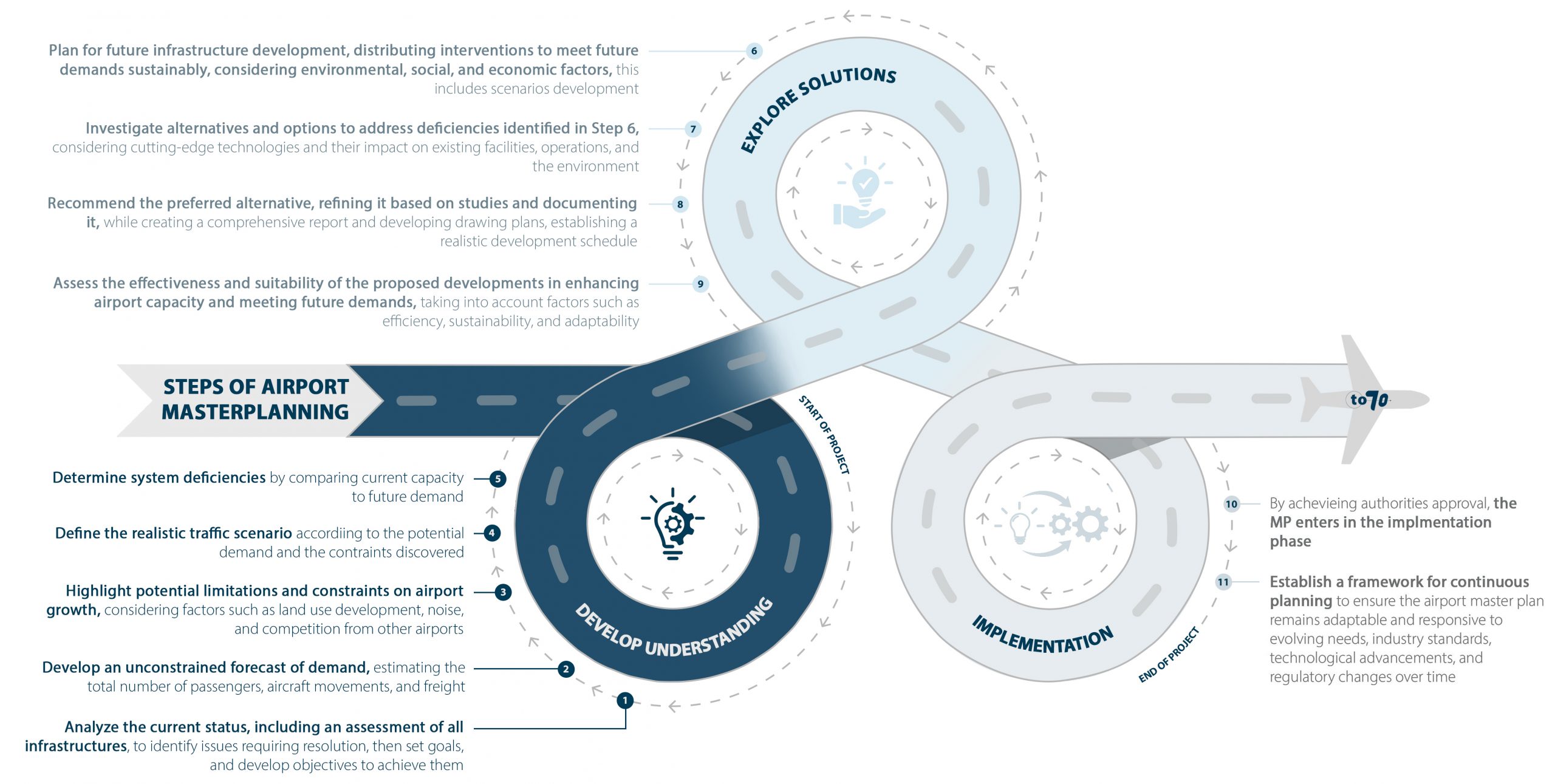
Airport master planning is a comprehensive process that guides the growth and development of an airport, ensuring its long-term sustainability and effectiveness. At To70 airport master planning process is divided into three distinct phases: developing understanding, exploring solutions, and implementation. Within each phase, thorough analysis, collaborative project meetings, and the creation of essential work products by the project team are crucial. Moreover, a critical aspect of each phase is the incorporation of feedback loops, allowing for adjustments and refinements to the work based on stakeholder input and changing circumstances. 


Read more Articles and News

Posted inEnvironment, Strategy, Sustainability & Innovation

Airports as Catalysts: Driving SAF Adoption Through Incentive Funds 

In an era marked by global efforts to combat climate change, the aviation industry faces growing scrutiny. Forecasts predict a substantial increase in passenger air travel in the coming years, amplifying concerns over the industry’s carbon emissions and underscoring the need for immediate action. This is where Sustainable Aviation Fuel (SAF) emerges as a groundbreaking solution to mitigate carbon emissions in aviation. Given that SAF can substantially reduce carbon emissions by up to 80% throughout its lifecycle compared to traditional jet fuel[1], airport incentives are needed to drive the production and adaption of SAF. 

Airports, acting as critical hubs within the aviation ecosystem, have a pivotal role in facilitating the availability and uptake of SAF. One powerful mechanism adopted by several airports is the SAF Incentive Fund, a strategic initiative designed to bridge the price gap between SAF and traditional jet fuel for airlines. The comprehensive details of the SAF Incentive Fund are outlined in the SAF Catalogue, a collaborative effort led by Stargate, To70, the University of Hasselt, and supported by Brussels Airport Company. 

How the SAF Incentive Fund works 

The SAF Incentive Fund is typically set up by the airport authority, often in collaboration with industry partners or stakeholders. The specific subsidy amount is determined based on various factors, including the type of SAF (e.g., biofuels or synthetic e-fuels), the current market price of SAF, and the fund’s available resources. 

Airlines that choose to refuel with SAF at the airport can apply for subsidies from the SAF Incentive Fund. This application process typically involves providing details about the SAF purchase, including the quantity, type of SAF, and associated costs. 

Once the application is approved and the subsidy amount is determined, the airport disburses the subsidy to the airline. This can be done in various ways, such as providing a fixed amount or a percentage of the price difference between SAF and traditional jet fuel. 

By doing so, the financial assistance effectively reduces the net cost of SAF for the airline, making it more economically viable compared to traditional jet fuel. 

Leading Airports in Establishing SAF Incentive Programs 

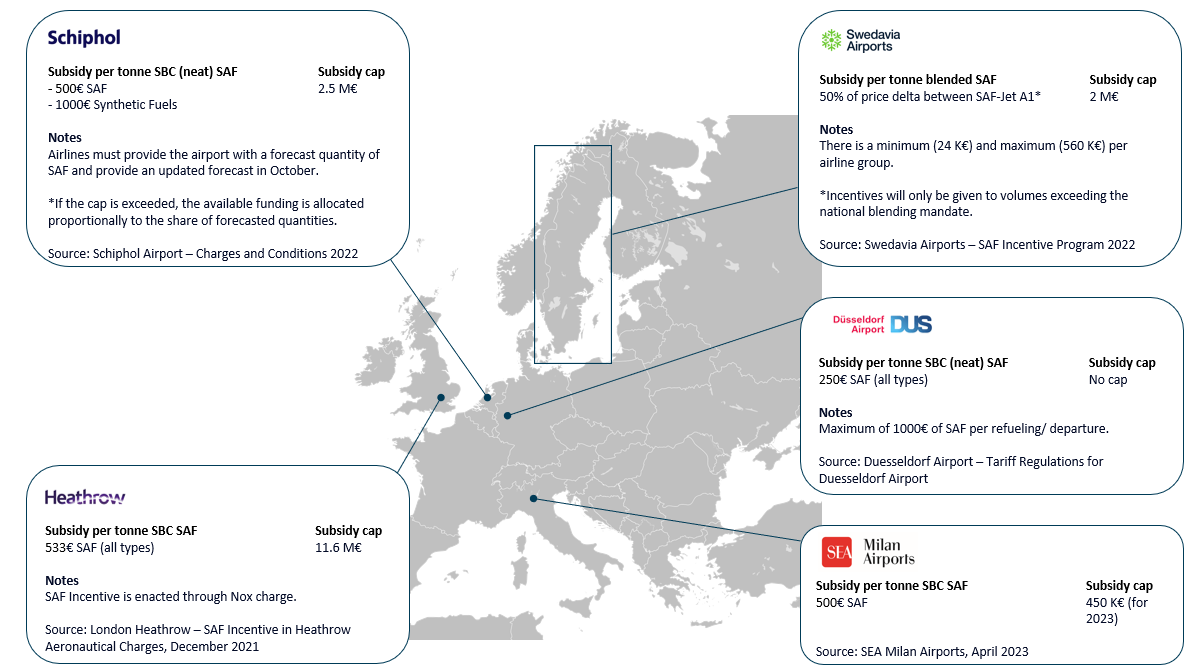
Several leading airports like Schiphol, Swedavia, Heathrow, Dusseldorf, and Milan have already taken action by establishing SAF Incentive Funds to accelerate the aviation industry’s transition to sustainable practices. 

Impact of SAF Adoption at Leading Airports 

In 2022, Heathrow became the first airport globally to launch a SAF Incentive Program that covers up to 50% of the extra cost of SAF, thereby reducing its financial burden on airlines. Heathrow now has set an ambitious objective to triple the percentage of SAF used at the airport in 2023 to approximately 1.5% and become one of the world’s leading airport users of SAF[2]. 

Furthermore, at Schiphol Airport, when airlines refuel with SAF, they receive subsidies of €500 per metric tonne of SAF (biofuels) and €1,000 per metric tonne of e-fuels (synthetic kerosene). To ensure a sufficient supply of SAF, Schiphol supported Neste (their SAF supplier) in acquiring a share of AFS (the fuel distributor at the airport). While Neste’s current production sits at 100,000 tonnes, the company has ambitious plans to scale up output in Rotterdam and Singapore to 1.5 million tonnes[3] 

These examples illustrate how airports can utilize financial incentives to stimulate SAF production. Such actions send a clear market signal about SAF’s crucial role in the long-term decarbonization of aviation. In addition, they encourage investments that can enhance production volumes and subsequently reduce costs.  

Taking Action as an Airport 

The growing number of airports joining SAF Incentive Funds reflects a rising commitment among airports to take a leading role in sustainability. However, many airports often lack clarity on the specific steps required to establish such initiatives. To address this need, we provide guidance on the SAF incentives as described in the Stargate SAF Actions Catalogue to efficiently kickstart a SAF Incentive Program.  

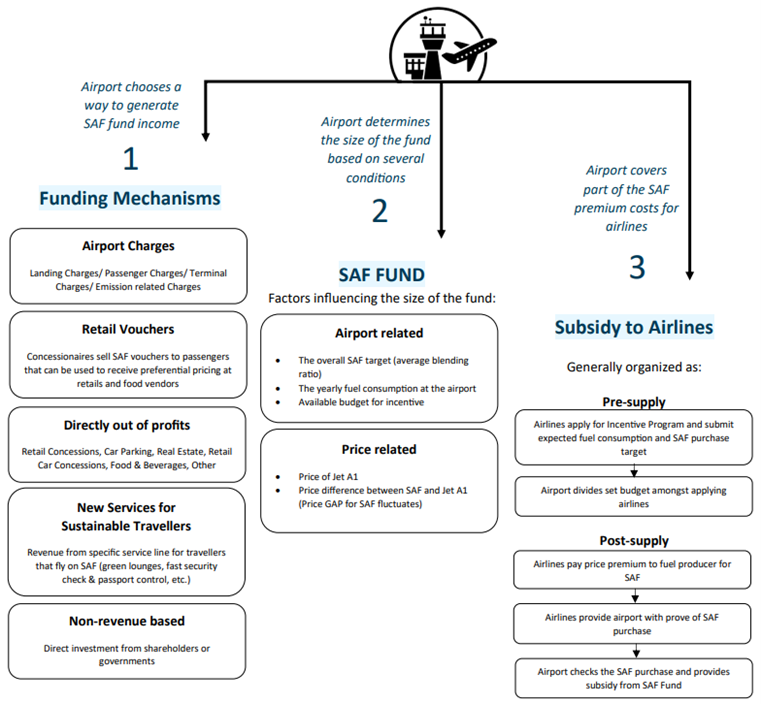
The following figure shows the step-wise approach: 

  1. First, the airport selects a funding mechanism from a variety of choices, as depicted in the first step of the figure, to generate revenue for the SAF fund. 
  2. Next, the airport establishes the conditions for the size of the SAF fund. These may be influenced by airport-specific factors, such as annual fuel consumption, as well as price-related factors like the market price of Jet A1. 
  3. Finally, airlines can apply for the SAF fund, and the airport grants the subsidy by covering a portion of the SAF premium expenses.  

By following these steps, airports can establish a fund to stimulate SAF adoption on their premises. To70 can support airports to apply these steps within their own unique context, – and provide analysis and eventual testing and implementation. By doing so, airports can use their unique infrastructure position and promote sustainable practices among relevant stakeholders. 


[1] Jiang, C., & Yang, H. (2021). Carbon tax or sustainable aviation fuel quota. Energy Economics, 103, 105570. 


Check out our open vacancies around the globe!

Posted inEnvironment, Strategy

Hybrid electric aircraft, a promising technology

“In 2050 technologies and procedures available allow a 75% reduction in CO2 emissions per passenger kilometre to support the ATAG target and a 90% reduction in NOx emissions. The perceived noise emission of flying aircraft is reduced by 65%.”. This is what is stated in the EU’s vision for aviation Flightpath 2050[1]. To achieve this goal, the aviation sector is developing many new technologies across its whole value chain. Along with SAF and hydrogen propulsion, focus is being put in the development of fully electric aircraft. However, such technology poses major technical challenges due to the energy to weight and power to weight ratio of current battery technology. Hence, Hybrid Electric Propulsion System (HEPS) poses itself as a promising solution.

What is hybrid propulsion?

Hybrid electric propulsion, in the most general sense, combines an electric motor with an Internal Combustion Engine (ICE), or in more general sense a second power source, in a similar fashion to what is seen in current hybrid electric cars. In almost all designs the electric motor drives a propeller (the propulsor).  For this reason, HEPS is being developed for either General Aviation (GA) aircraft or regional turboprops. The Internal Combustion Engine could also be substituted by a gas generator, or even by fuel cells [2]. The electrical energy to the motor can be provided either by a battery pack, or from an electrical generator. The latter converts the energy coming from the second power source into electrical energy.

When it comes to the powertrain design, three major architectures have emerged:

  • Series HEPS architecture,
  • Parallel HEPS architecture, and
  • Series-parallel HEPS architecture.

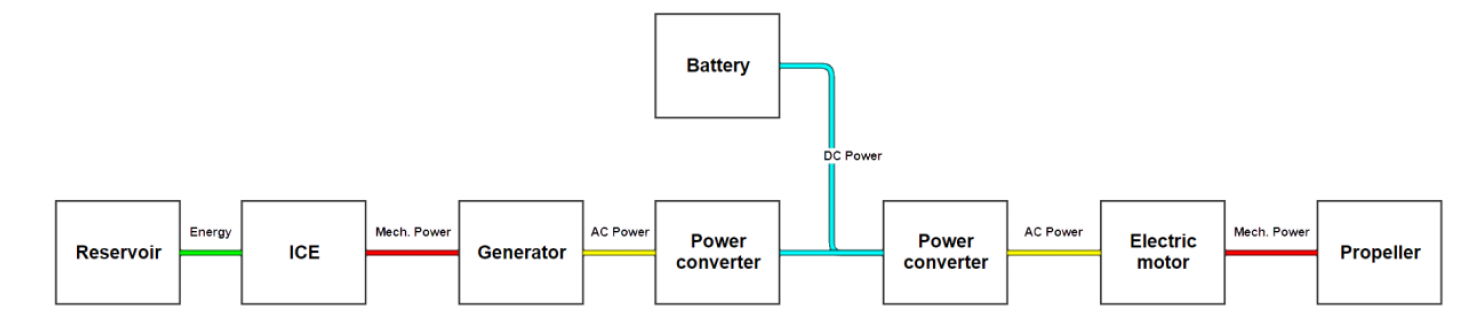
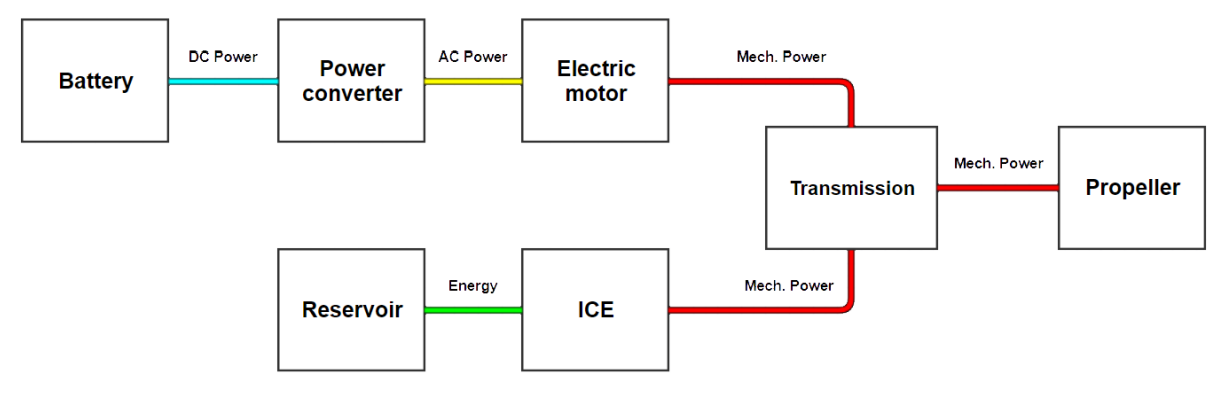
In the series configuration, the propeller is only driven by the electric motor. The (electrical) power to drive the motor is provided either by the battery and/or an electric generator coupled to the ICE.

Schematics of a series HEPS architecture (source: [2])

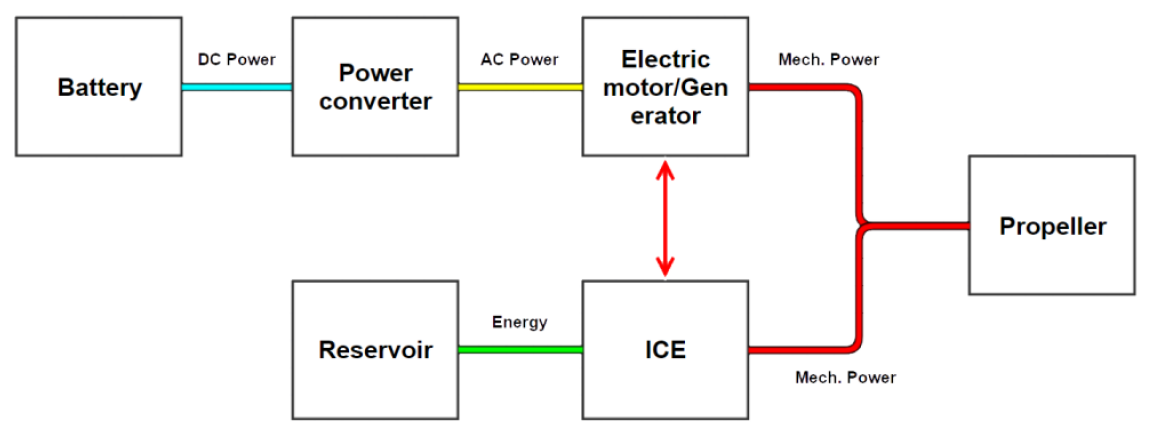
In the parallel architecture, mechanical power is provided both by an electric motor, powered by batteries, and by the ICE. The transmission couples both input mechanical power sources into a single output shaft to the propeller.

Schematics of a parallel HEPS architecture (source: [2])

The series-parallel architecture, as the name suggests, combines the series architecture with the parallel one, and many different specific configurations have been developed. Although such configuration can be regarded as being the most advanced hybrid architecture, giving great flexibility in the design, it is also the most complex and heavy of the three.

Schematics of a possible configuration for series-parallel HEPS architecture (source: [2])

Benefits and drawbacks of hybrid electric propulsion

Hybrid electric propulsion shows promising advantages. In the series architecture, if the batteries have enough energy and power density, the aircraft could operate in fully electric mode. With current and projected battery technology, this could be achieved during the less power intensive phases of flight, such as descend and landing. For the latter, however, the full power needs in case of a take-off or go-around need to be carefully examined during the design of the powerplant. Furthermore, electrical energy is produced during the flight and can be stored in the batteries, allowing for an extended range and/or for fully electric operations for the final stages of the flight. Finally, from a safety perspective, having two separate power sources provides redundancy in the powertrain system, increasing the safety of such configuration.

Moreover, the series architecture is relatively simple: the propeller is only driven by one power source (the electric motor), hence eliminating the need of having complex and heavy gearboxes. Furthermore, the ICE can run at constant, optimal RPM, increasing its efficiency and hence requiring lower fuel burn. However, energy will be lost in the conversion phases (from mechanical to electrical, and from electrical to mechanical), even though electric generators and motors efficiency are quite high (in the order of around 90%) [3]. The need of a generator, which adds weight to the powertrain, is one of the major drawbacks of such design.

For the parallel architecture, the main advantage is that there is no need for an electrical generator; furthermore, the electric motor can be smaller, and hence lighter. However, such weight advantages are counteracted by the added complexity and associated mass of the gearbox, which has to combine two mechanical power inputs (electric motor and ICE) into one output shaft to the propeller.

A drawback that is common for all the HEPS design is that there is still the need for conventional fuel to power the aircraft, even if fuel consumption is lower compared to traditional aircraft. However, as for conventional aircraft, SAF could be used for HEPS powertrains as well.

The benefit of the potential reduction of the noise imprint of the aircraft deserves and article by itself, given the complexity of the topic. Research work is being done in this field. [4] focusses on the noise analysis for GA hybrid electric aircraft and concludes that a reduction of approximately 3 dB could be achieved when flying fully electric in the departure and climb phases of an airport traffic circuit. On the other hand, [5] compares the noise impact of a traditional ATR42 against a modified, hybrid version, concluding that the hybrid configuration could have a higher noise impact on the ground, both in terms of LAE and LDEN. Hence, definitive noise evaluations on hybrid electric propulsion cannot yet be drawn.

Overview of the current HEPS aircraft

In recent years, many aircraft testbeds have been developed to investigate hybrid electric propulsion.

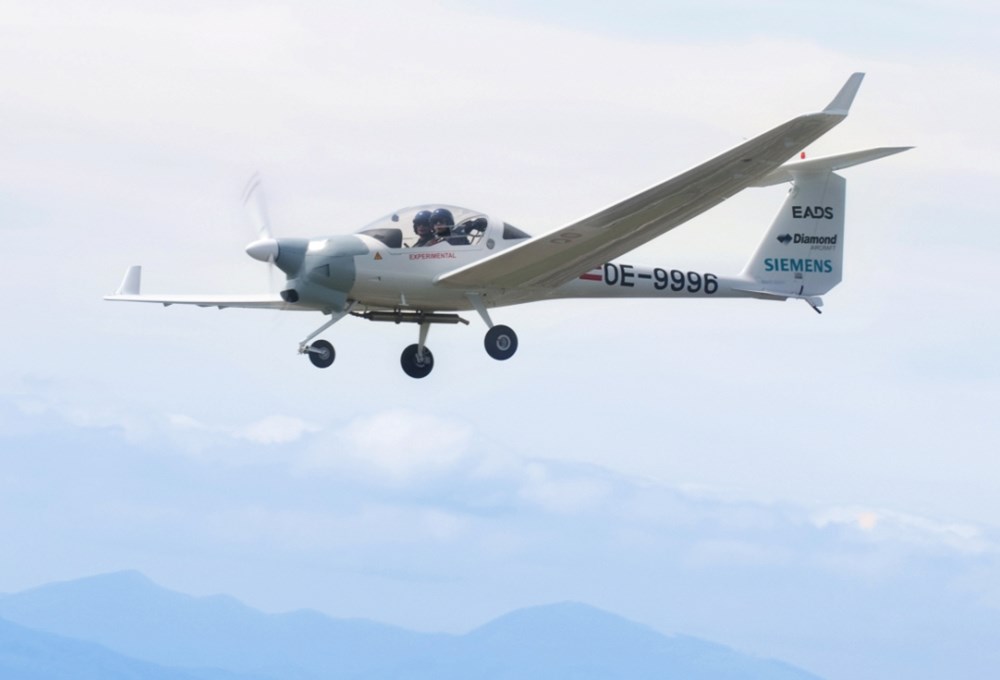
Diamond DA36 E-Star, featuring a series hybrid electric powertrain (Image source: [8]).

Starting with General Aviation, a consortium comprised of Siemens, EADS and Diamond Aircraft developed in 2011 the Diamond DA36 E-Star (and later in 2013 version 2) as one of the first hybrid electric aircraft suitable for commercial use. The aircraft features a series architecture, where the propeller is run by a 70 kW (94 hp) electric motor and electrical energy is provided by 30 kW (40 hp) reciprocating engine, coupled with a generator and battery packs. The company claims that this aircraft achieves a 25% reduction in fuel consumption and a drastic reduction in noise emissions during take-off [6]. Moreover, in 2018, the company announced the first flight of the world’s first multi-engine hybrid electric aircraft, based on the DA40 aircraft [7].

Within the EU funded HYPSTAIR (Hybrid Propulsion System for General Aviation Airplanes) project, a 200 kW serial HEPS has been developed and ground tested.

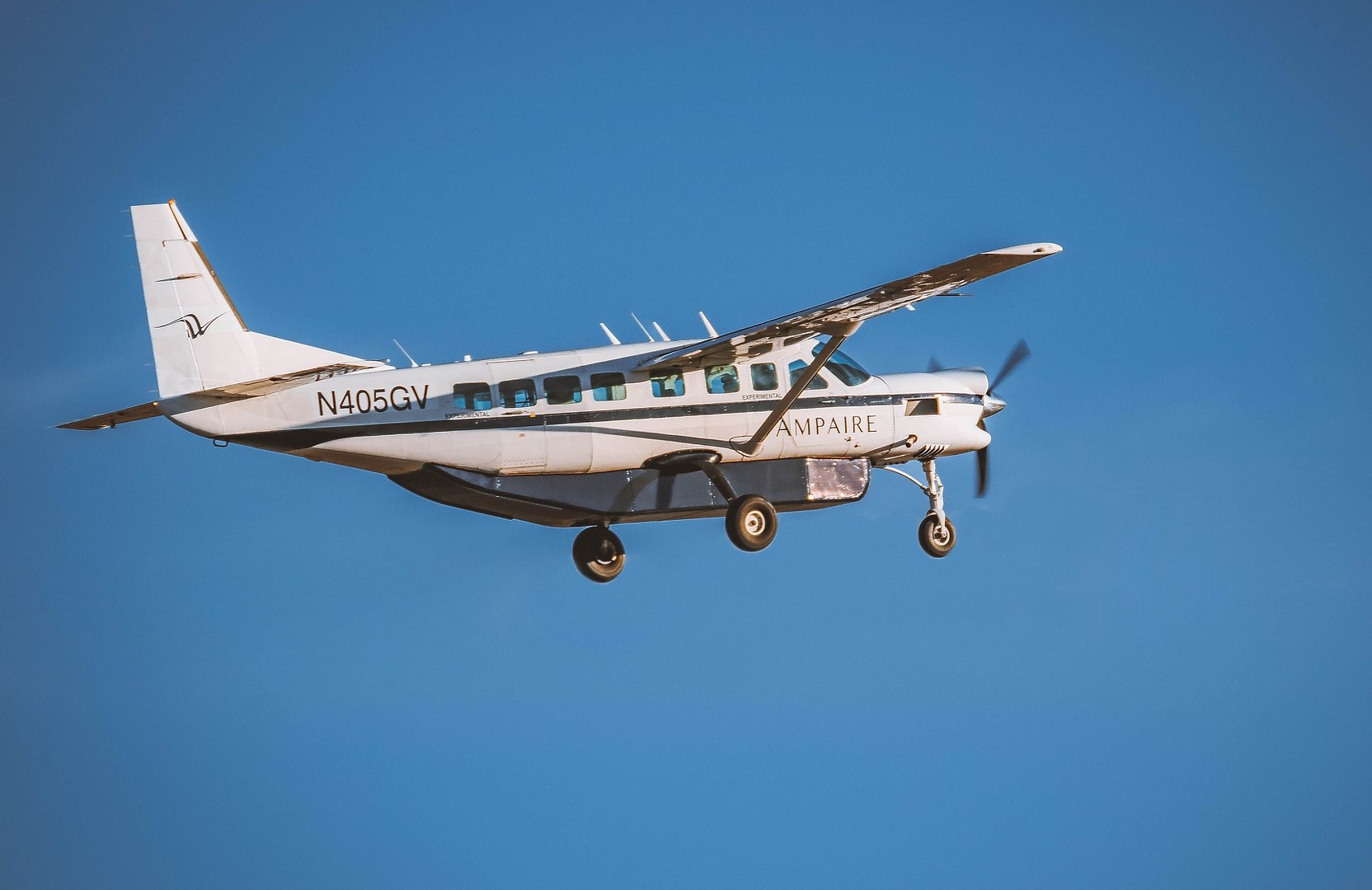
American based Ampaire is developing and testing different GA concepts. An hybrid electric retrofit of a Cessna 337 Skymaster is mainly being used as a tesbed aircraft for components, according to the company’s website. The manufacturer is also developing a modified Cessna 208B Grand Caravan, claiming that its emissions are the lowest in its class, with fuel savings between 50% and 70% [9].

Ampaire’s Cessna 208B Grand Caravan, retrofitted with an hybrid electric powertrain (Image source: [9]).

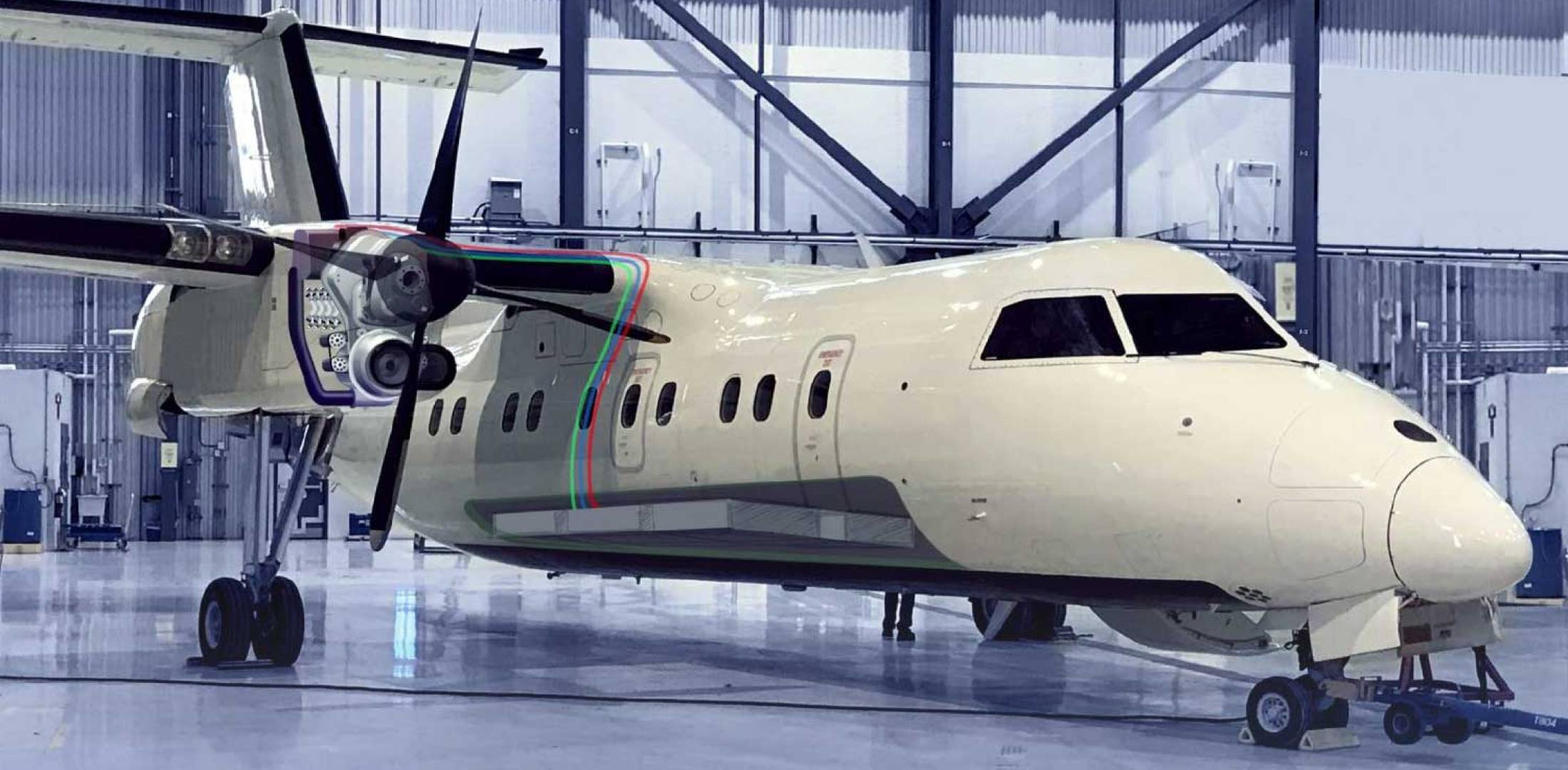
Demonstrators for regional propeller aircraft are also being developed. United Technologies (now part of Raytheon Technologies) is developing a hybrid electric testbed based on the Dash 8-100 twin turboprop. The aircraft is equipped with a parallel hybrid configuration on one of the two engines, with a 1 MW electric motor and an equally powerful 1 MW turboprop engine.

United Technologies hybrid-electric testbed: a retrofitted Bombardier Dash 8-100. Only one of the two turboprop engines is substituted with a parallel hybrid electric propulsor (Image source: [10])

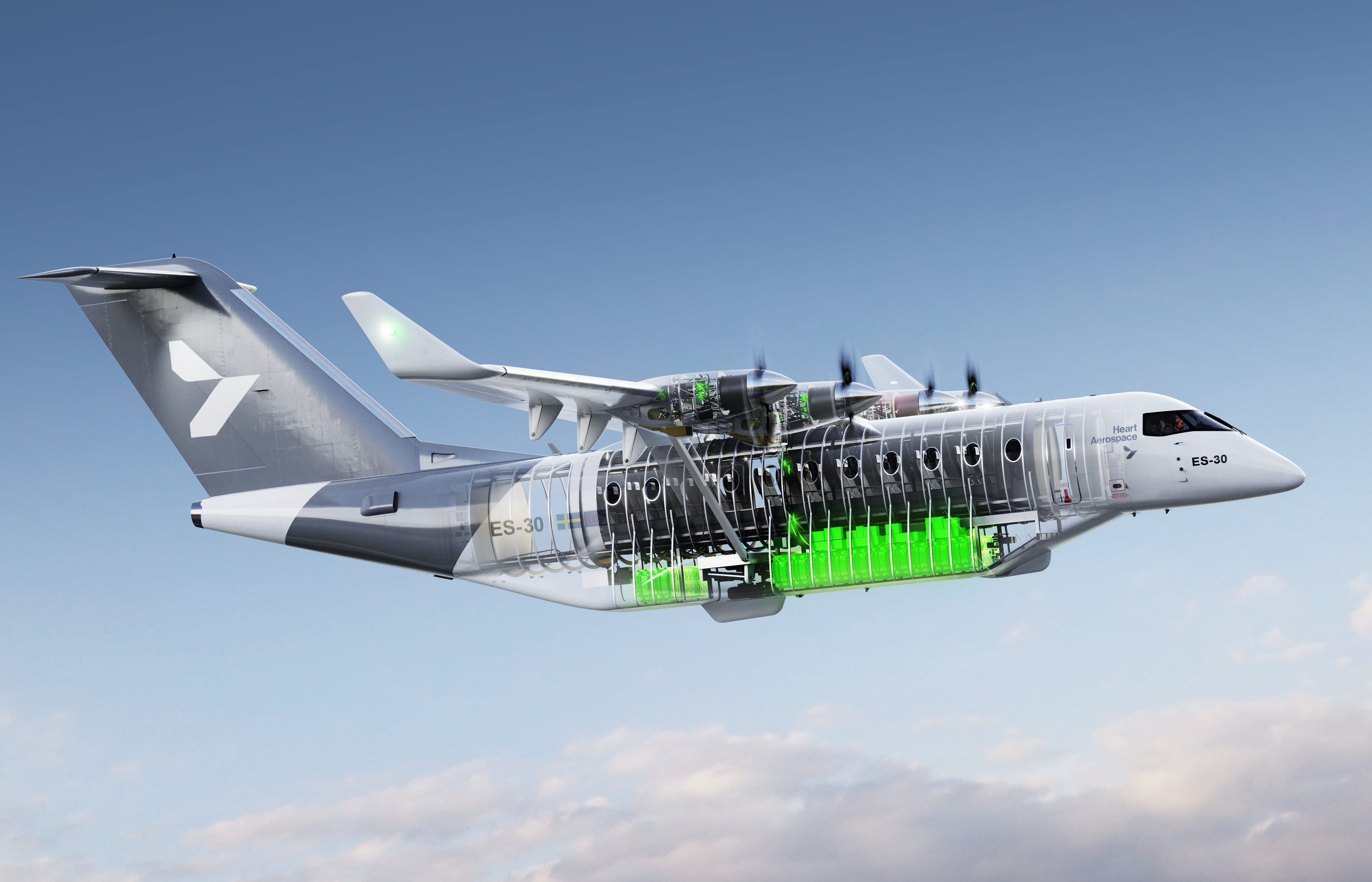
Swedish startup Heart Aerospace is developing a 30-seater hybrid electric aircraft. The company claims performance figures of 800 km of range in hybrid electric mode and a payload of 25 passengers, with an estimated EIS by 2028. [11]

Heart Aerospace ES-30, a 30 seater hybrid electric aircraft (Image source: [12]).

To wrap it up

Hybrid electric propulsion poses itself as interesting technology in the support for the decarbonization of the aviation sector. The presence of a conventional engine (either reciprocating or gas generator) allows for greater ranges and payloads compared to fully electric aircraft, whilst still promising lower fuel burns and emissions. The propulsive architecture allows for great design flexibility, which allows to explore different aircraft concepts. Many companies have started to experiment with such technology, which shows encouraging interest with regards to hybrid electric propulsion in the aviation sector.


[1] European Commission, Directorate-General for Mobility and Transport, Directorate-General for Research and Innovation, Flightpath 2050 : Europe’s vision for aviation : maintaining global leadership and serving society’s needs, Publications Office, 2011, https://data.europa.eu/doi/10.2777/50266

[2] F. Gaspari et al. “D1.1: Concept of Modular Architecture for Hybrid Electric Propulsion of Aircraft”. In: Deliverable D1.1 of the MAHEPA Consortium (2017).

[3] C. E.D. Riboldi, “An optimal approach to the preliminary design of small hybrid-electric aircraft”, Aerospace Science and Technology (2018)

[4] C.E.D. Riboldi et al, “Predicting the effect of electric and hybrid-electric aviation on acoustic pollution”, Noise Mapping (2020)

[5] A. Sollazzo et al, “Acoustic Impact of Hybrid-Electric DEP Aircraft Configuration at Airport Level”. Applied Sciences (2021)

[6] https://www.diamondaircraft.com/en/about-diamond/newsroom/news/article/diamond-aircraft-eads-and-siemens-enter-long-term-research-partnership-on-electric-propulsion-syste/

[7] https://www.diamondaircraft.com/en/about-diamond/newsroom/news/article/diamond-aircraft-1st-flight-multi-engine-hybrid-electric-aircraft/

[8] https://www.skybrary.aero/aircraft/da36

[9] https://www.ampaire.com/vehicles/eco-caravan

[10] https://www.ainonline.com/aviation-news/aerospace/2019-03-26/utc-reveals-hybrid-electric-aircraft-demonstrator

[11] https://heartaerospace.com/es-30/

[12] https://heartaerospace.com/media-bank/