Skip to content

Category Archives: Safety

Aviation safety
Posted inAbout to70, News, Press, Safety

Aviation safety concerns driven in 2025 as much by serious incidents as by accidents

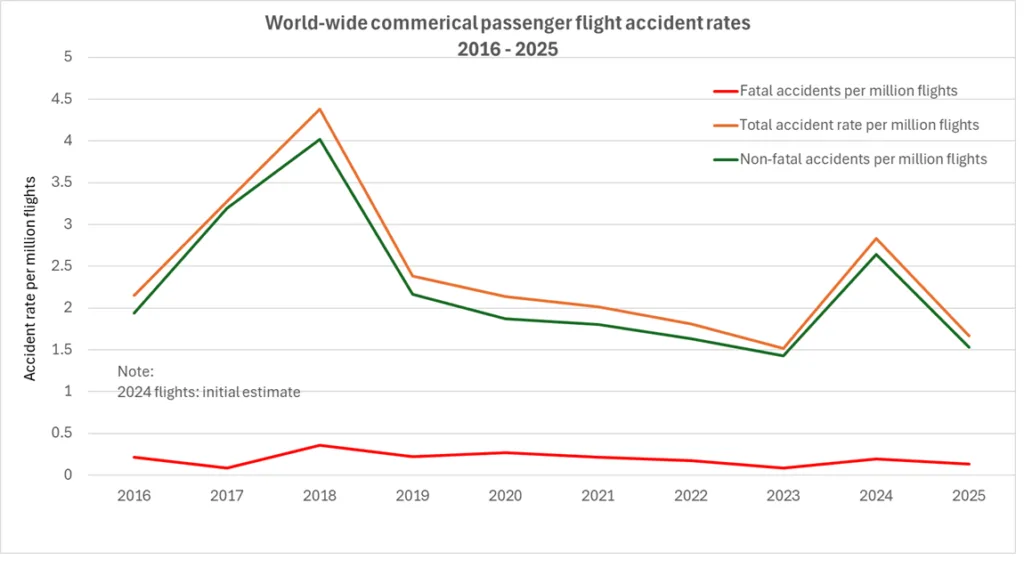
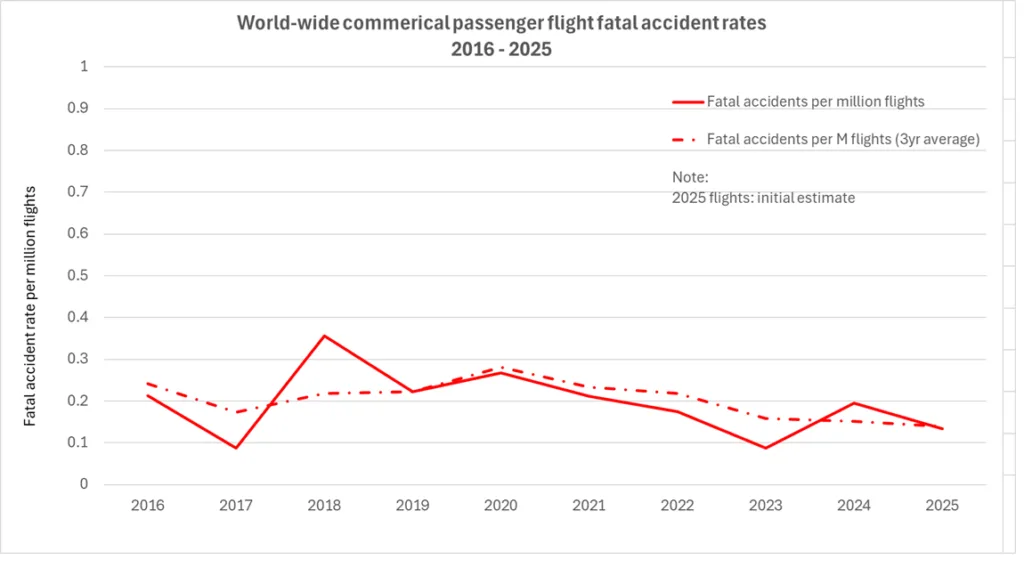
With five fatal accidents to the aeroplane types / types of operation that we survey each year (see note below) 2025 looks like another safe year. Fatal accidents are occurring at a rate of about one per 7 million flights (0.14 fatal accidents per million flights), a value slightly lower than last year’s 0.19 per million. As ever, fatal accidents in commercial aviation to large aircraft in passenger service remain a rare event.

However, there is absolutely no room for complacency; a word that EASA’s Executive Director Florian Guillermet used in the organisation’s Annual Safety Conference in November 2025[1]. Complacency itself is a safety risk. Whilst this article focuses on fatal accidents, complacency would, for example, have been shown if EASA had not taken swift action on the problem that space weather caused to a Jetblue Airbus A320 aeroplane at the end of October.

“In aviation, we have to constantly reconsider how safe we are,” said EASA[2]. The non-fatal accident rate is only just lower than the three-year moving average and a non-fatal accident occurred at a rate of 1.5 per million flights: 58 in total. Nearly half (24 occurrences) of these were related to in-flight turbulence – an accident type that passengers should be able to avoid by wearing their seats belts at all times when seated. 25 cabin crew members and 13 passengers were seriously injured. Our analysis does not include a much larger set of incidents whereby only minor incidents are sustained. For those readers that enjoy a legal definition, a minor injury – according to ICAO the UN’s aviation agency – means that the injury required less than 48-hour hospitalisation or was limited to only a simple fracture of fingers, toes or the nose. ICAO Annex 13 contains the full definition.

In total, 366 passengers and crew members lost their lives in large passenger commercial operations. This is nearly 100 more than last year.  In addition, another 23 died as the result of the being involved in the accident. This includes, the three crew members of a US-military helicopter that struck the PSA Airlines aeroplanes in Washington DC, nineteen persons on the ground that were killed when an Air India Boeing 787 failed to gain altitude after take-off and one person – not being a crew member, passenger or airport worker – at Bergamo airport in Italy who ended his life by entering the engine of an aircraft that at the gate.


[1] [2] https://www.easa.europa.eu/en/newsroom-and-events/press-releases/easa-asc-2025-sees-complacency-safety-threat-seeks-rule

2025’s fatal accidents

There were five fatal accidents to large passenger aircraft in 2025.  One was to a wide-body turbofan powered aeroplane, two were to narrowbody jets and two involved turboprop aeroplanes.  The following is noted:

Date (2025)TypeOperatorState of RegistrationState of Occurrence Fatalities
29 JanuaryCanadair CRJ-700PSA AirlinesUSAUSA64 +3
17 MarchBAe Jetstream 32LanshaHondurasHonduras13
12 JuneBoeing 787-8Air IndiaIndiaIndia241 +19
08 JulyAirbus A319-100VoloteaSpainItaly0 +1
24 JulyAntonov AN-24Angara AirlinesRussiaRussia48

The four accidents to result in the deaths of more than 10 people in 2024 were as follows:

  • Canadair CRJ-700 narrowbody jet in USA

The regional jet was on approach to Washington National Airport when it was struck by a military helicopter crossing the final approach path of runway 33. The procedures used by the military in this busy airspace were central to the investigation.

  • Jetstream 32 turboprop in Honduras

Shortly after take-off, one of the aircraft’s two engines lost power and it ditched in the sea near Roatan.  Only five of the 18 occupants survived.

  • Boeing 787 widebody jet in India

Shortly after take-off, the aeroplane lost thrust on both engines and, failing to climb, crashed into a residential area that mainly houses doctors and nurses.  Why the engines lost power has been the source of much speculation, but it is for the investigating authorities to make their findings known – at the time of publication, only their initial findings are known and the investigation continues.

  • Antonov An-24 turboprop in Russia

Whilst attempting to land at Tynda airport in Russia in poor weather, the aeroplane flew into the ground about 15 km short of the runway and caught fire – an accident type known as Controlled Flight into Terrain. The crew were attempting an NDB-approach – a non-precision approach that is no longer widely in use and is certainly less accurate than satellite-based approaches.  

Some of the accidents that are not included in the review – due to their size or to the fact that are to cargo or military flights does not mean that the industry is ignoring them. They are not included here as the purpose of this document is to inform airline passengers as to the safety of large passenger aeroplanes.

A noteworthy and tragic accident occurred to a UPS cargo aeroplane in the US on 4 November. The left-hand engine and its mounting onto the wing, the pylon, separated on take-off from Memphis airport. It is believed that debris from that event entered the aeroplane’s centre engine further reducing the aeroplane’s ability to climb. The resulting accident, in an industrial estate, resulted in the deaths of the three crew members on board and a further eleven people on the ground. The US aviation authorities, FAA, quickly grounded the aeroplane type with an emergency Airworthiness Directive. This tool was later used to extend the measure to DC-10 aeroplanes still in service.

Together with the Air India accident, the aviation industry and its regulators need to be vigilant to the developments that take place close to an airport; third-party risks or safeguarding is an area of aviation safety that only works if a defined area of restricted development is respected[3].

In last year’s article, reference was made to the accident to Azerbaijan Airlines Flight 8243 on 25 December (Embraer 190) near Aktau, Kazakhstan. The question was raised as to whether or not the aircraft had been shot down and, if so, by whom. In October 2025, the Russian president admitted that Russian forces had, unintentionally, shot the aircraft. The issue of flight in conflict zones remains an important issue and is further complicated by the fact that the attack occurred 700 km from the Russian-Ukrainian border.  


[3] This article makes no suggestions that the safeguarding around either airport was inadequate, but the accidents are illustrative of the issue.

The average fatal accident rate is close to the 10-year average

This is the eleventh year that this review has been published and it only covers accidents to the larger passenger aircraft used by most travellers. (See the criteria in the Note below.) The review includes all causes; technical failure, human error or unlawful interference.

The very low number of accidents makes occurrence reporting and analysis more and more important. The industry needs to learn from the pre-cursors to accidents before they happen. There is much information available to the aviation industry from incident data and the collection and analysis of routine data during normal events. Air operators of large aircraft, for example, collect data on hundreds of parameters, sometimes many times a second, during flight. Analysis of this data allows the operator to better understand how the aircraft are being used and make adjustments to procedures long before accidents occur.

The total number of accidents in 2025 is lower than average and the fatal accident rate remains very low – the rate of fatal accidents per million flights has been below 0.4 since 2012.

Note: Methodology

A mix of sources is used to produce this article. Official figures reported by States to the UN’s aviation agency, ICAO, is used to determine the number of civil aviation flights that have taken place in any given year. The actual figures, published by the air transport organization, IATA, are used to estimate the current year’s figures.

Accident data is derived from publicly available databases, aviation authority websites and official sources such as ICAO’s ADREP database. The analysis documents accidents to passenger flights commercial air transport operations in aeroplanes with a maximum take-off mass of 5700 kg or above. This excludes a number of small commuter aeroplanes in service around the world, including the Cessna Caravan (maximum take-off mass 3629 kg). Certain relevant exceptions may be included regarding smaller turbo-prop aeroplanes just below this mass limit (e.g., the De Havilland Twin Otter with a maximum take-off mass of 5670 kg). Accidents to military flights, training flights, private flights, cargo operations and helicopters are excluded.

Unlike statistics produced by IATA and ICAO, accidents involving unlawful interference are included in our analysis.

As most commercial air transport operations take place with large aeroplanes, the effect of the excluded types on the accident rate is very small.

Note to editors

This is a product of To70, one of the world’s leading aviation consultancies. The draft version of this article is issued under embargo pending updates for the remainder of the year. In the event of a serious aviation accident close to the year’s end, the article may be withdrawn.

Recipients will be informed of changes and, if required, its withdrawal.

The article may not be used until 09:00 UTC (10:00 CET) on 1 January 2026.

Questions and requests for media contact may be directed to: Adrian Young, adrian.young@to70.eu, +31 (0)6 34 33 76 21

Posted inAir operations, Environment, Regulation, Safety

eVTOL Revolution: Soaring potential, grounded challenges

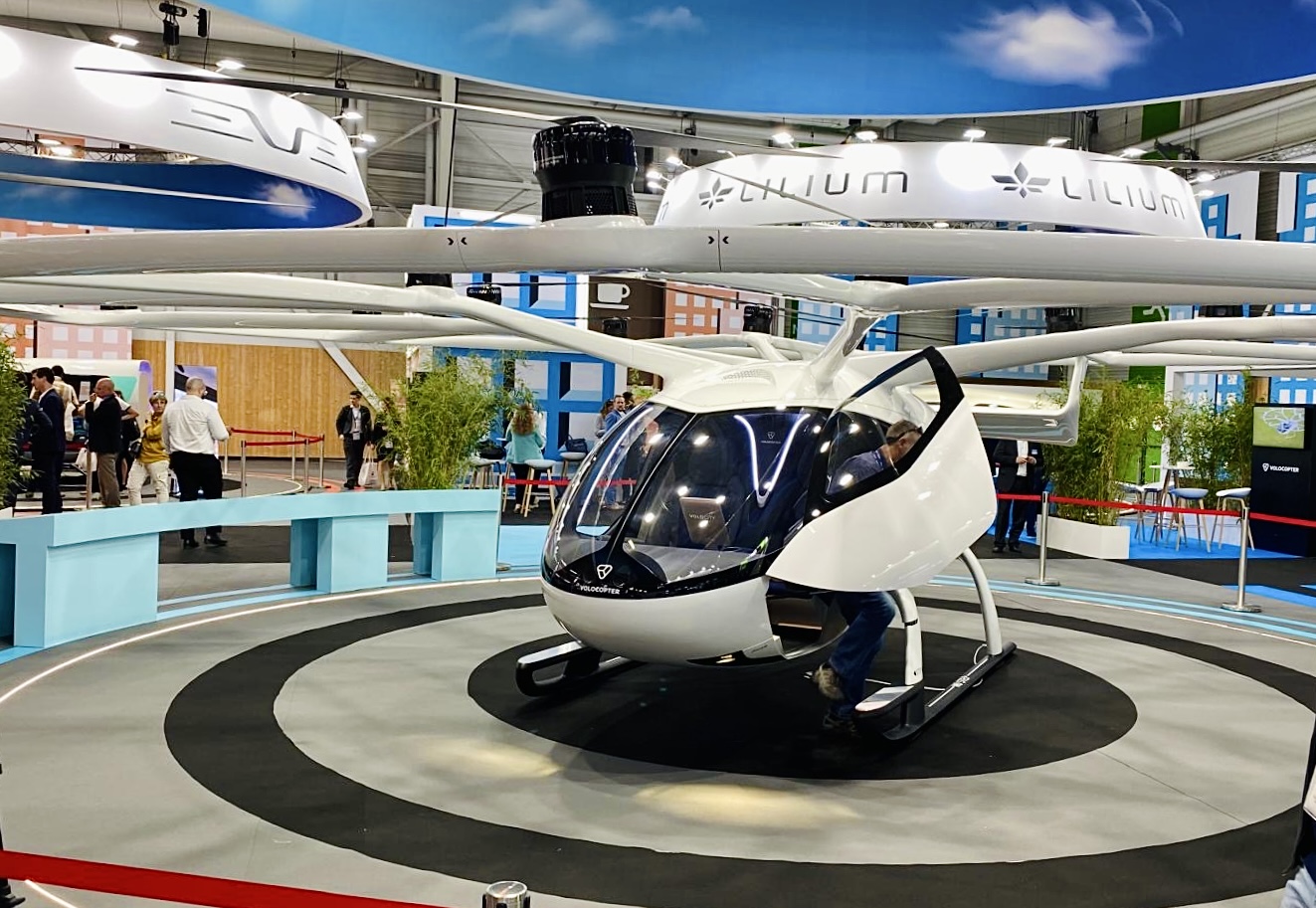
Electric Vertical Take-off and Landing (eVTOL) aircraft are expected to enter the market by the end of this decade, with over 250 companies, such as Lilium, Archer Aviation, Volocopter and Wisk  developing two to seven-seater eVTOLs with a range of 100 to 200 kilometers. Many are forming partnerships with airlines to accelerate their market entry.

As eVTOL technology evolves, it’s potential to revolutionize airport transportation as fast, efficient shuttles is promising, but challenges related to regulations, infrastructure, and public acceptance must be addressed. This blog explores the challenges of using eVTOLs as airport shuttles for transferring passengers to and from airports in Europe.

Legal compliance

The foremost challenge is to be compliant with regulatory requirements. The much-anticipated debut of Volocopter’s eVTOL passenger flights at the Paris Olympics 2024 was delayed due to multiple setbacks, including engine certification [1]. Most of the eVTOL stakeholders can currently focus only on obtaining ad-hoc certification for testing and demonstration purposes.

The legislative and regulatory efforts are currently falling short. The European Commission released a regulatory package in April 2024 targeting manned VTOL governing the operations in ‘specific category’ [2]. These regulations aim at initial airworthiness, oversight, enforcement of continuing airworthiness, operational and maintenance requirements. There still needs to be development of safety certification standards for ‘certified category’ to conduct passenger eVTOL services.

Public Acceptability

Another key challenge for eVTOLs is the high noise emissions during operation. Even after Volocopter receiving initial approval for its Paris Olympics project, municipal authorities and NGOs filed a lawsuit to revoke the authorization due to concerns over excessive noise [3]. Building on the existing international noise standards for traditional aircraft, EASA has already consolidated its consultation paper for Environmental Protection Technical Specification (EPTS) standards applicable to eVTOL during approach, take-off, overflight and hover [4].

One notable factor to consider is that the newly released EASA’s Prototype Technical Specifications for Vertiports proposes a new concept of funnel-shaped area above the vertiport which takes into consideration the noise restrictions [5].

Airspace Management

To strengthen their value proposition, eVTOLs will need to operate frequently at busy airports. This requires updating the airspace management, developing the Concept of Operations (ConOps) and also training air traffic controllers. Flying into a controlled airspace of busiest airports will also demand coordination and integration with existing flight operations to ensure safety and efficiency. It is already possible to fly drones in ‘open category’ in controlled airspace in European countries like Germany, Finland, Poland and the Czech Republic.

Netherlands is currently investigating the possibilities to expand the civilian controlled airspace of airports for drone operations within the ‘specific category’. The Dutch government proposes to not only have an operational authorization, but also a certified Radio Traffic (RT) operator for two-way radio communications for each flight [6]. These advancements could be used as foundation for developing controlled airspace usage for ‘certified category’. But it must not be forgotten that these national developments contradicts the standards stipulated in Standardised European Rules for the Air (SERA), which aims at harmonisation of airspace usage within the single European sky [7]. 

Airport Infrastructure capabilities

Another major hurdle is inadequate infrastructure facilities. To address this hurdle some European airports including Aeroporti di Roma, have begun developing test vertiports [8]. eVTOL companies along with the airports are also collaborating with vertiport design and management companies such as  UrbanV Air Mobility for constructing appropriate surfaces for eVTOL operations [9]. These developments highlight the need for developing more vertiports on the ‘landside’ and installing charging stations for electric air taxis. Consequently, the demand for energy storage and recharging systems will rise, which may lead to longer lead times for these components and additional strain on electric power grids. Lack of comprehensive studies on the power consumption of eVTOLs exacerbates the strain on power grids. Therefore, hydrogen-electric powered eVTOLs, such as those developed by Joby Aviation, could provide a viable solution to help alleviate the strain on power grids.

Additionally, eVTOL operations will require designated apron areas and stands for parking, passenger disembarkation, and baggage handling when passengers are transferred directly to their gates. Airside facilities must also include sheltered hangars for storage and maintenance areas for MRO (maintenance, repair, and overhaul) services. The utilization of these facilities implies that eVTOL operators may likely incur airport fees or charges.

Airport charges

Landing and take-off charges, noise, emission-related fees, passenger charges, and parking fees will have to be determined by airports. With various players expected to enter the eVTOL market soon, airports must establish transparent and non-discriminatory pricing as current legislative instruments governing airport charges likely apply to eVTOLs. According to Directive 2009/12/EC on airport charges, the term ‘airport user’ refers to “any natural or legal person responsible for the carriage of passenger,….by air to or from the airport concerned”. This enforces that eVTOLs fall under the definition of airport users, subjecting them to the same legal instruments.

However, various collaboration patterns among airlines, airports, and eVTOL companies may necessitate a reassessment of airport charge implementation. For instance, the Lufthansa Group and Lilium have signed a Memorandum of Understanding (MoU) to explore a strategic partnership for eVTOL operations at airports and potential collaborations with regional airports [10].  This tripartite agreement could allow airports to charge airlines directly for eVTOL usage, potentially increasing passenger airline ticket prices. Furthermore, the collaboration between airlines and eVTOLs may lead to seamless multimodal transportation, similar to the Air-Rail initiatives in Europe.

Airport Security

The vertiports on the landside of airports must adhere to the same stringent level of security clearance requirements as applicable to passengers boarding any traditional aircraft. As mentioned earlier, passenger cabin and baggage screening must be implemented either through the normal baggage flow or via designated transfer checkpoints or hold baggage injection point [11]. Therefore, it depends upon the specific use case of eVTOLs for implementing security clearances. Hybrid scenarios have also been envisioned where the baggage will be screened in eVTOL’s “hold” itself with lightweight screening technology.

Furthermore, with the rising number of drone violations [12], airports must monitor and address malicious intrusions to protect airports and eVTOL operations. Implementing drone intrusion management systems such as the emerging Airport System Protection from Intruding Drones (ASPRID) [13] and C-UAS for cybersecurity risks, could enhance security and more effectively mitigate potential threats.

Final reflections

Considering the rapid pace of growth, innovation, and the significant investment in the sector, the current approach to its development is fragmented when it comes to ensuring safety and security. Most importantly, public demand and acceptability must be assessed in aspects relating to privacy, noise among others before investing and planning. EASA may have to expedite the process of drafting safety requirements as eVTOLs come closer to reality. Suitable revisions have to be made to the existing Regulations, or draft new ones to reflect the operational requirements for eVTOLs [14]. Despite promising leads from industry players and investors, the realization of eVTOL operations remains distant.


[1] Paris ‘flying taxi’ flights scrapped during Olympics, Le Monde, 8 Aug 2024

[2] European Commission adopts regulatory package, giving go-ahead for VTOL operations and air taxis, EASA, 10 Apr 2024

[3] City of Paris takes legal action against ‘flying taxis’ during Olympic Games, Le Monde, 19 Jul 2024

[4] Consultation Paper: Environmental Protection Technical Specifications (EPTS) applicable to VTOL-capable aircraft powered by tilting rotors, EASA, 12 Dec 2023

[5] Prototype Technical Design Specification for Vertiports, EASA, 24 Mar 2022

[6] IenW wants to offer drone pilots more options in CTRs, Dronewatch, 17 Apr 2024

[7] Standardised European Rules of the Air (SERA), EASA

[8] Italy’s First Vertiport Deployed at Fiumicino Airport, Aeroporti Di Roma, 6 Oct 2022

[9] Lilium and UrbanV to collaborate on vertiports in Italy, the French Riviera and beyond, Lilium, 21 Jun 2023

[10] Lufthansa Group and Lilium sign Memorandum of Understanding for strategic partnership, Lilium, 7 Dec 2023

[11] ACI Europe Position – Advanced Air Mobility, ACI, Mar 2022

[12] Mandourah, A., & Hochmair, H. (2022). Analyzing the violation of drone regulations in three VGI drone portals across the US, the UK, and France. Geo-Spatial Information Science27(2), 364–383

[13] D Pascarella et al (2024), Drone intrusion management systems in airports: assessment of ASPRID solution, J. Phys.: Conf. Ser. 2716 012070

[14] Scott, B. I. (2024).Passenger air taxi services: an assessment of the current European Union Rules on consumer protection for passengers. Journal Of Intelligent & Robotic Systems, 110, 1-17. doi:10.1007/s10846-024-02057-8


Posted inEnvironment, Safety

New EASA Regulation: what will happen to ground handlers?

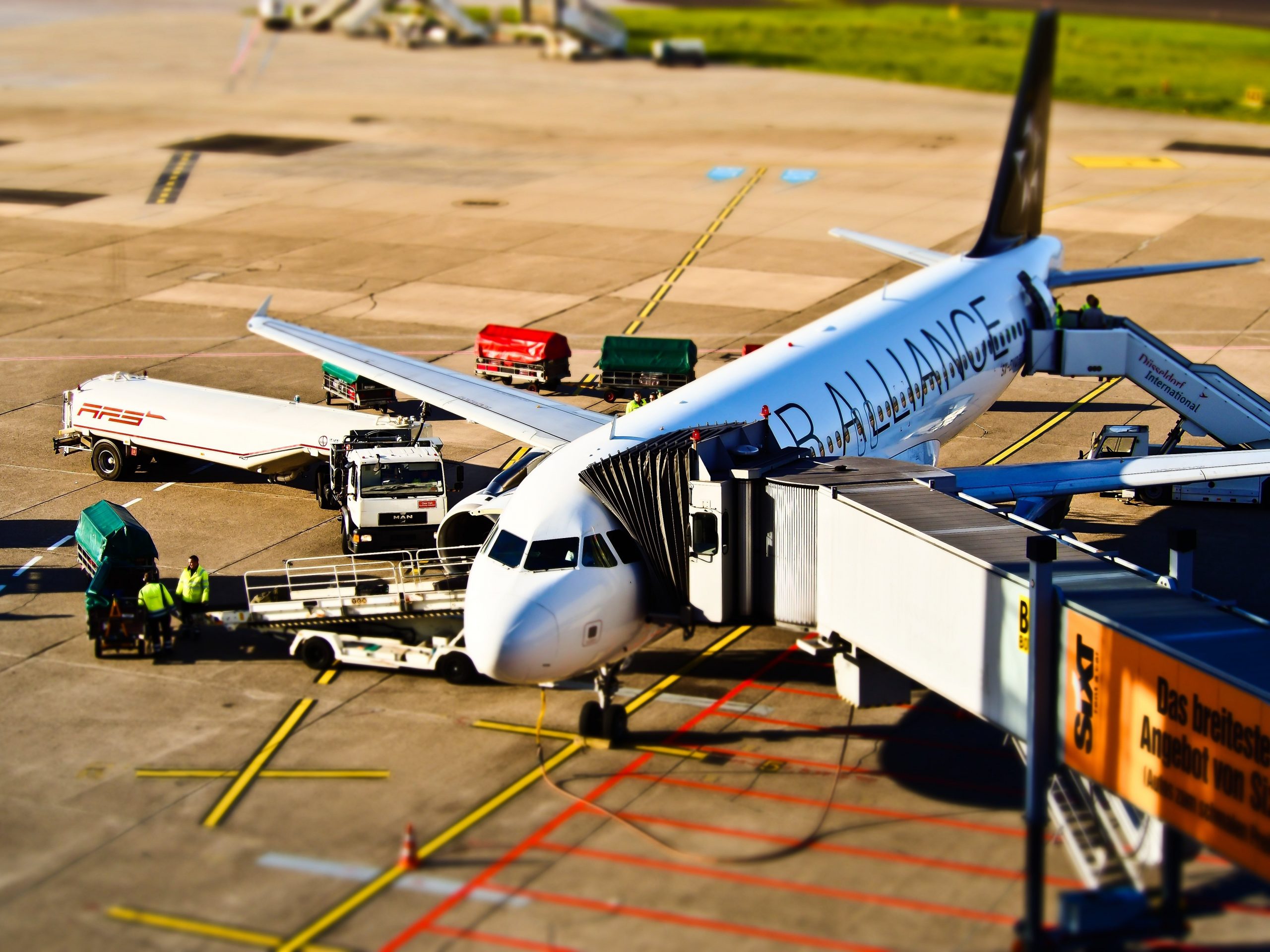
Airports are complex environments where numerous operations work in harmony to ensure safe, efficient, and timely flights. Ground handlers are key players in this ecosystem and provide a range of essential services, from refueling, managing  check-ins and boarding passengers to loading cargo. Their work is crucial to keep airport operations running smoothly and avoiding delays or disruptions.

Unfortunately, in recent years, there has been a rise in incidents occurring on ground. This trend has prompted EASA (European Union Aviation Safety Agency) to investigate and introduce new safety regulations for airport handlers.

Ground handlers activities and risks

Ground handlers play a highly responsible role in ensuring that flights depart and arrive safely and on time. Their tasks include aircraft refueling, cleaning, towing, baggage handling, passenger assistance, and cargo management. Each of these activities requires precision, coordination, and adherence to protocols.

However, these duties carry significant risks. Tight schedules and short turn-around can lead to rushed procedures, compromising safety. For example, errors in refueling or towing can result in damage or delays. Ground handlers must constantly balance speed with safety, ensuring all protocols are meticulously followed to prevent incidents that could disrupt airport operations.

Whilst air accidents are declining, ground incidents do not seem to follow this trend. According to the analyses conducted by To70 in recent years, the number of events, incidents and accidents,  on airport grounds has significantly increased also in relation to the rapid recovery from the Covid-19 pandemic. This can be explained by the fact that increasingly advanced technologies allow for ever-safer flights. On the other hand, ground events are rising despite the significant focus on safety by operators, who are developing Safety Management Systems and seeking solutions to prevent incidents. This trend has brought attention to a rapidly growing issue, driven by the increase in air traffic worldwide, which EASA has decided to investigate.

EASA Opinion 01/2024

After many years of detailed studies, the investigation conducted by EASA has yielded several interesting results:

  • The lack of specific EU regulations leads to inconsistent safety practices, especially among smaller GH organizations.
  • The focus on injuries and fatalities as safety indicators fails to capture frequent damage incidents, pointing to deeper problems involving human error, organizational shortcomings, and technological issues.

It was therefore decided to develop and introduce new regulations with clearly defined objectives and stakeholders involved. The new regulation recognizes GH organizations as key players in aviation safety and aims to standardize practices across the sector. It introduces mandatory Safety Management Systems and standardized training to create a consistent approach to safety management and improve oversight.

The stakeholders affected by the new Ground Handling (GH) Regulation include:

  1. Ground Handling Service Providers (GHSPs): These entities, whether large or small, providing various or limited GH services at EU aerodromes, must submit a declaration to their competent authority, committing to the safe provision of GH services.
  2. Aircraft Operators: Both self-handling operators and those relying on contracted GH organizations will be affected. Self-handling operators of complex-motor-powered aircraft will need to integrate new GH elements into their existing management systems.
  3. Aerodrome Operators: Those providing GH services and those who do not will be impacted. The new regulation will clarify the roles and interfaces between aerodrome operators and GH organizations..
  4. Competent Authorities: They will oversee GH services and organizations, standardizing oversight across EU aerodromes. Competent authorities will need to train inspectors, develop oversight procedures, implement a planning cycle, collect annual reports, and manage GH service declarations using a central information repository.

Overall, the regulation aims to improve safety and standardize practices across various stakeholders involved in ground handling at EU aerodromes.

The proposal seeks to:

  1. Create Fair Competition: Establish uniform standards for ground handling (GH) services and organizations at EU aerodromes, ensuring consistency with the Basic Regulation.
  2. Ensure Safety: Set a safety baseline for GH activities to enhance overall safety at EU aerodromes.
  3. Support Safety Culture: Provide a legal framework to assist GH organizations in developing and maintaining a robust safety culture.
  4. Improve Risk Management: Develop effective interfaces for managing safety risks, facilitating collaboration between GH organizations, aircraft operators, and aerodrome operators, and promoting the exchange of safety information.
  5. Set Training Standards: Implement minimum training requirements for GH personnel to ensure their competence and maintain their skills over time.
  6. Reduce Audits: Lower the number of audits currently required by aircraft operators for GH organizations’ contracted activities.
  7. Enhance Oversight: Establish a system for competent authorities to oversee GH organizations, focusing on cooperative and risk-based oversight approaches.

The proposal aims to enhance safety and fair competition while improving operational efficiency. It anticipates that risk-based oversight will reduce the need for extensive audits and foster better communication and safety practices among GH organizations, aircraft operators, and aerodrome operators. By integrating ground handling into the European safety framework, the EU underscores its vital role in aviation safety.

Conclusion

The work of ground handlers is highly complex and fraught with challenges. They are responsible for bridging the gap between airlines and the airport, ensuring the proper functionality of both systems and enabling each aircraft to complete its turnaround as quickly and safely as possible. Things do not always go according to procedures, causing inconvenience to passengers and damage to aircraft. In Europe, EASA is about to formalize new regulations, described in the last section. At To70, the support provided to airport handlers is divided into two main and complementary aspects: on one hand, the company facilitates the transition of handler procedures to the latest regulations, and on the other, it helps handlers identify areas for improvement by adopting international best practices tailored to the specific characteristics of the airport in which the handler works.


Read more Articles and News

Posted inEnvironment, Safety, Sustainability & Innovation

On the rise: Aviation’s Non-CO2 emissions   

Except for a handful of aviation academics and experts looking into the climate warming impact of non-CO2 emissions, the topic was largely avoided in the past decades. Now the issue is on the rise, and it is time to inform the sector 

The rise of Non-CO2 emissions 

In 2020, EASA kicked off the debate into non-CO2 in aviation by publishing “Updated analysis of the non-CO2 climate impacts of aviation and potential policy measures pursuant to EU Emissions Trading System Directive Article 30(4)[1]”. This sector report followed many years of research on non-CO2 emissions in aviation, describing the radiative forcing (ergo climate warming) impact of non-CO2, contrail modeling and warming impact assessment. The academic and EASA results show non-CO2 emissions warming impact may be equal to or even twice as high as CO2 emissions.   

In recent years, several EU research projects as well as contrail trials were set up by flight planner Flightkeys and network manager EUROCONTROL. Most recently, the topic has been picked up by EU legislators in the form of a heavily debated (and lobbied [2]) Monitoring, Reporting and Verification (MRV) framework. In the meantime, the academic front continued their research. Under leadership of the DLR, Imperial College, MIT and others, progress is being made on atmospheric physics that explains where contrails form, prediction; and mitigation strategies. Google Research is including satellite imagery data to further improve the models. (figure 1). Finally, Breakthrough Energy’s Reviate team is specializing in predicting contrail formation and has developed an interface to allow airlines to build contrail avoidance into their flight planning. 

Figure 1: Reviate Contrails map

Considering the recent action and new insights around the topic, many aviation stakeholders are likely (and rightly) wondering: “Is this relevant for me and if so, why?”. To answer that question, let’s first dive into what non-CO2 emissions are.

Contrail formation 

The main non-CO2 emissions from aviation in terms of climate warming impact, are nitrogen oxide (NOx) emissions, water vapor emissions, but above all formation of persistent contrails that contribute at least 86% of the total non-CO2 emissions in aviation. Contrails are cirrus clouds that form as a result of aircraft engine soot particle and water vapor emissions reacting with the water vapor in the atmosphere. These clouds can have both a cooling effect by reflecting sunlight, and a warming effect when they block heat radiating off the earth. The total warming effect is larger than the cooling effect. This leads to a net warming effect.

Figure 2: Contrail impact (Reviate)

Globally, only around 5% of all flights form over 80% of the warming contrails. Adjusting a small portion of flight operations could lead to a considerable reduction of warming impact. There are two main methods being advanced to reduce (warming) contrail formation. First is the use of alternative fuels that produce less soot and thereby less contrails, though the effect of this seems limited with current SAF targets [3]. The second method is the avoidance of contrails by adaptation of the flight path to avoid atmospheric areas that are prone to contrails (so called “ice super saturated regions”). This way, contrails are not formed regardless of the engine emissions. At To70 we have teamed up with Breakthrough Energy and several airlines and flight planners to work on contrail avoidance in the EU innovation fund application “Contrail Pilots”.

Airports

Although airports do not seem to have a significant role (yet), they are interested in the topic. For airports, non-CO2 emissions historically focus on local emissions (Particulate matter, nitrogen oxides) emitted during taxi, takeoff and landing. In a project To70 did for the Roundtable on sustainable biomaterials (RSB), we assessed the role of airports in reducing aviation non-CO2 emissions to improve local air quality and to reduce contrail formation. The key takeaways presented to RSB focused on (1) stakeholder engagement to increase the use of targeted SAFs, (2) identifying opportunities for optimal SAF supply chains and (3) the development of market shaping strategies that incentivize the use of SAF to reduce non-CO2 emissions. In terms of flight path or airspace changes, airports do not have a significant role as of yet though these are being explored. 

Air Navigation Service Providers

At first glance, ANSPs would seem to be the most impacted by non-CO2 emission mitigation strategies that involve adjusting the flight’s route and profile, as they govern airspace. They should be well informed on the topic and have a clear grasp of potential changes. However, recent developments and trials by flight planners show that pre-tactically changing flight plans to avoid ISSRs may be sufficient to reduce contrail formation. The ANSP or network manager would see incidental but high impact flight plan adaptations due to contrails mitigation but would not have to adapt their own systems. On the other hand, EUROCONTROL has run initial trials to reduce contrail formation through tactical adjustments of flights within the airspace rather than by the flight planner on the ground.

These strategies for airports, ANSPs and other aviation stakeholders are currently being further developed and tested. At To70, we see the need to inform stakeholders and support them in taking action to reduce non-CO2 emissions. Beyond our support to the EU MRV and airport non-CO2 insights, To70 is able to provide knowledge on environmental impacts of non-CO2 emissions as well as knowledge on the practical implementation of mitigation strategies. We can provide this from an operational airport, airline, government policy and ANSP perspective. We look forward to reducing non-CO2 emissions together with the sector.  


[1] Updated analysis of the non-CO2 climate impacts of aviation and potential policy measures pursuant to EU Emissions Trading System Directive Article 30(4) – Report from the Commission to the European Parliament and the Council | EASA (europa.eu)

[2] Airlines divide over new EU rules on monitoring and reporting of their non-CO2 emissions – GreenAir News

[3] Teoh, Roger, et al. “Targeted use of sustainable aviation fuel to maximize climate benefits.” Environmental Science & Technology 56.23 (2022): 17246-17255.


Ream more Articles and News

Posted inSafety, Strategy

3-D visualisation as a tool to understanding aviation risks 

For developments within or in the vicinity of aerodromes, their risks to aviation safety must be identified and addressed in the design and construction phases of these projects. However, the developers engaged to perform these tasks may not have a sufficient understanding of the relevant aviation safety requirements. As consultants, we play a vital role bridging the knowledge gap between them and the various aviation stakeholders.

Limitations of Standards and Recommended Practices (SARPs) 

One of the aims of International Civil Aviation Organization (ICAO) is to develop SARPs for member states to assist in managing aviation safety risks.[1] For example, ICAO Annex 14: Volume I provides the minimum design and operational recommendations that can be referenced to identify aviation risk due to developments in or near the aerodrome. SARPs are intended to cater for a multitude of operations, and the varying complexity of the aviation environment results in numerous cross-references throughout the document. The lack of graphical illustrations further limits the ability of non-aviation stakeholders in understanding  the requirements. As consultants, we assist developers by filtering out the applicable clauses and provide bespoke visualisation for them to understand the risks.

3-D Visualisation Tools 

In my line of work, I have been exploring different software and methods to improve project deliverables and perform better risk assessment. In this article, I will share how some of these tools can be used to visualize the aviation requirements for a better appreciation of the risks.

Obstacle Limitation Surfaces (OLS)

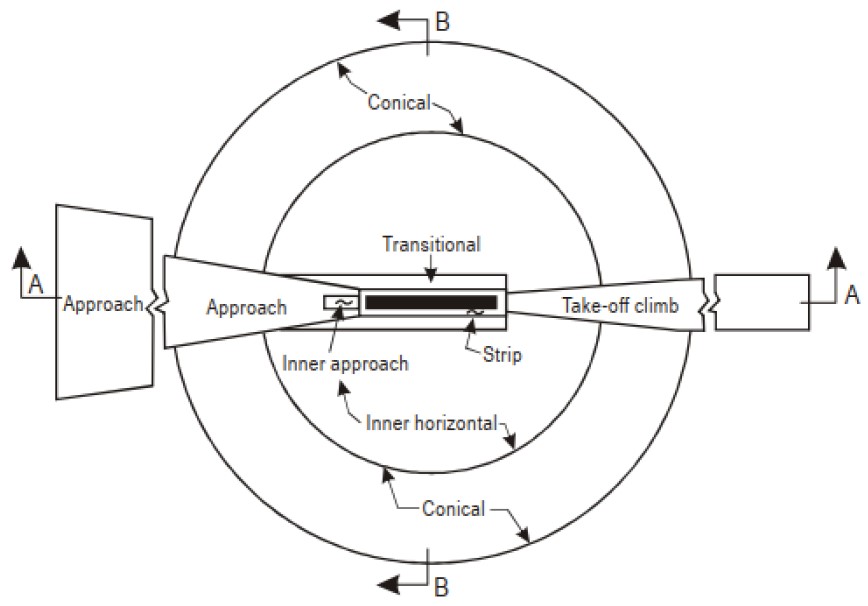
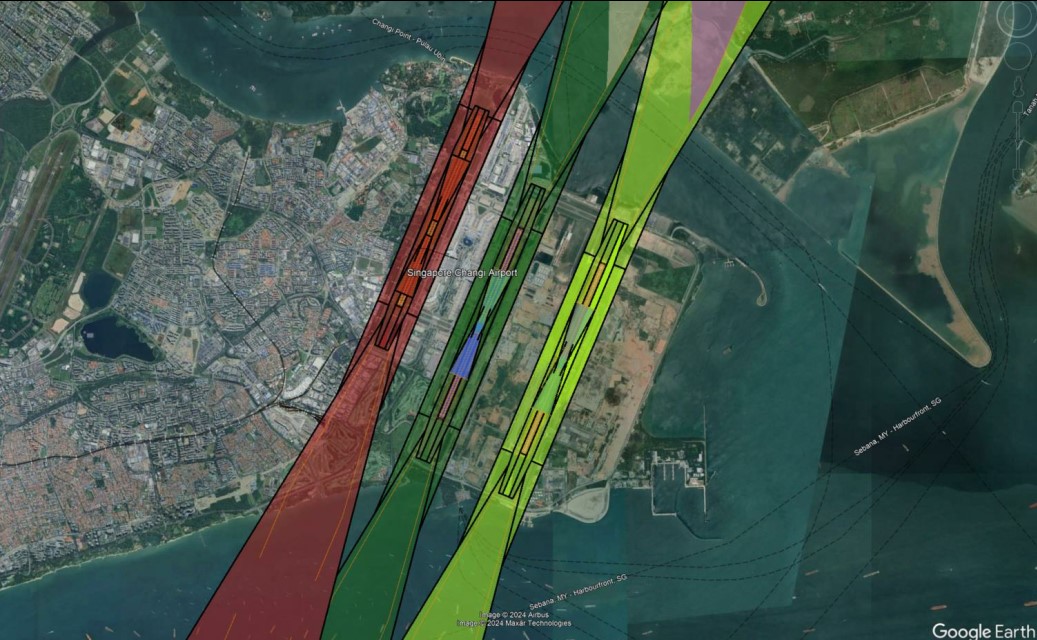
OLS exists to safeguard aircraft from obstacles in the vicinity of airports. The OLS illustration in ICAO Annex 14, Figure 1 (left), is generic, and the actual OLS differs between airports. Without prior aviation knowledge, developers may not be able to understand how the different OLS may affect their development and vice versa. This is where we step in to ensure that there are no lapses in safety precautions by assisting with the translation of the ICAO requirements into 3-D surfaces for developers to interact with. For example, I used Python in a previous project to generate the OLS for Singapore Changi Airport on Google Earth, Figure 1 (right). By using Google Earth, a free open-source platform, developers are now able to interact with the various surfaces via a user-friendly interface. Since the OLS is overlayed onto a base map, developers can easily identify the location of the development with respect to the OLS to assess the impact on aviation and vice versa.


Figure 1: ICAO OLS illustration [2] (left) vs Python generated OLS on Google Earth (right)

Line-of-Sight (LOS) Impact Study

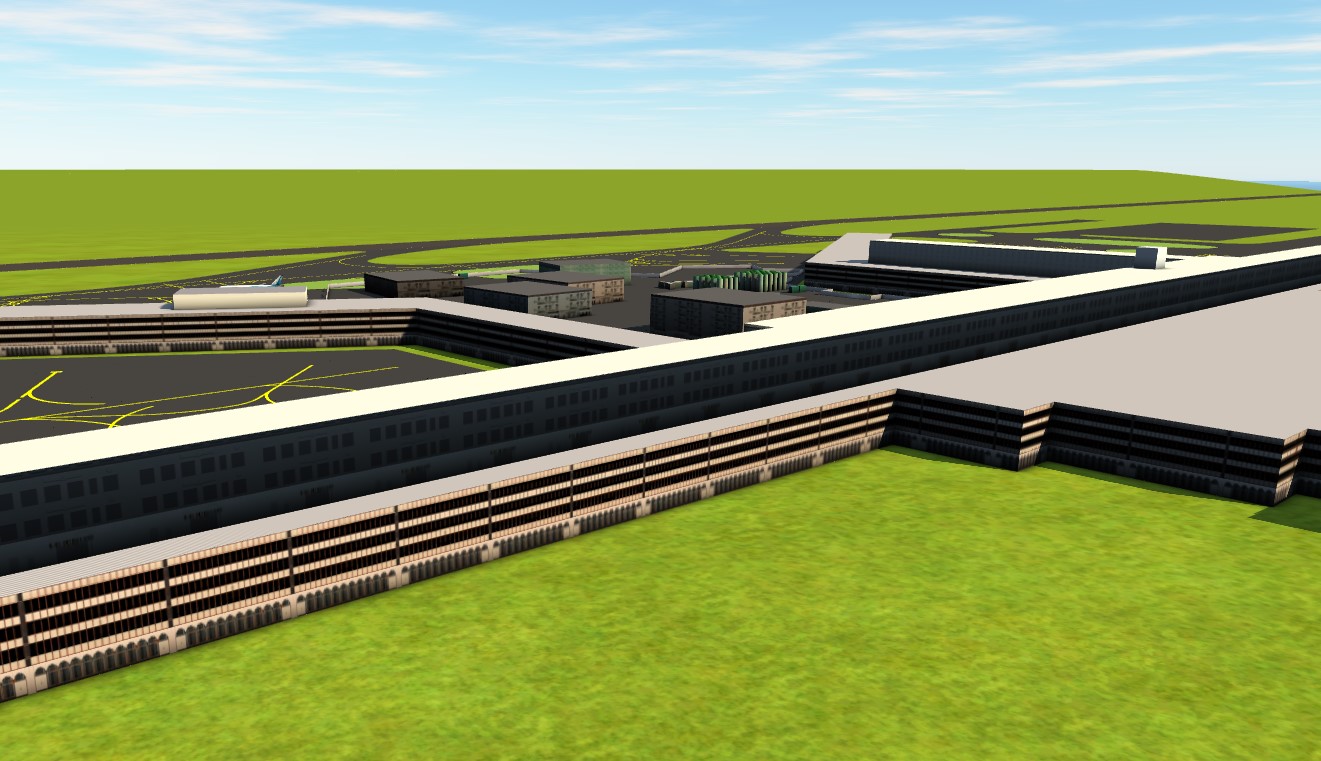
LOS is the most important factor for ATCs to ensure safe and expeditious traffic management within the airport. It is crucial that these developments do not interfere with the ATCs’ LOS within their Area of Responsibility (AoR). Drawing inspiration from architects, we can use Building Information Management (BIM) software to create a digital twin of the development within the airport, Figure 2. This allows us to accurately assess the LOS impact and create amazing visuals to justify our findings to stakeholders, increasing the chances of acceptance.

To wrap up

In conclusion, 3-D visualization software is a good tool to help aviation and non-aviation stakeholders have a better appreciation of the risks due to developments within or in the vicinity of the airport. They allow us to combine both ICAO requirements and development plans on a common platform to perform better aviation risk assessments through a digital twin concept. As the aviation industry becomes more digitalized, it will be interesting to see more such use cases to better educate the industry about aviation risks and requirements.


[1] https://skybrary.aero/articles/standards-and-recommended-practices-sarps

[2] ICAO Annex 14 Volume 1: Aerodromes


Ream more Articles and News

Posted inCapacity, Efficiency, Safety

Understanding safety risks from another perspective – Bowtie

According to the initial investigation by the Japan Transport Safety Board, the recovered flight data and voice recorders indicate that the pilot misunderstood the ATC instruction and entered the runway without permission. Furthermore, it is suggested that the lack of monitoring by the ATC controller could have played a role in this unfortunate incident. This shows the complexity of aviation safety management which always involves many stakeholders. As a methodology focusing on specific events, the bowtie methodology may provide another perspective for the management of the major risks.

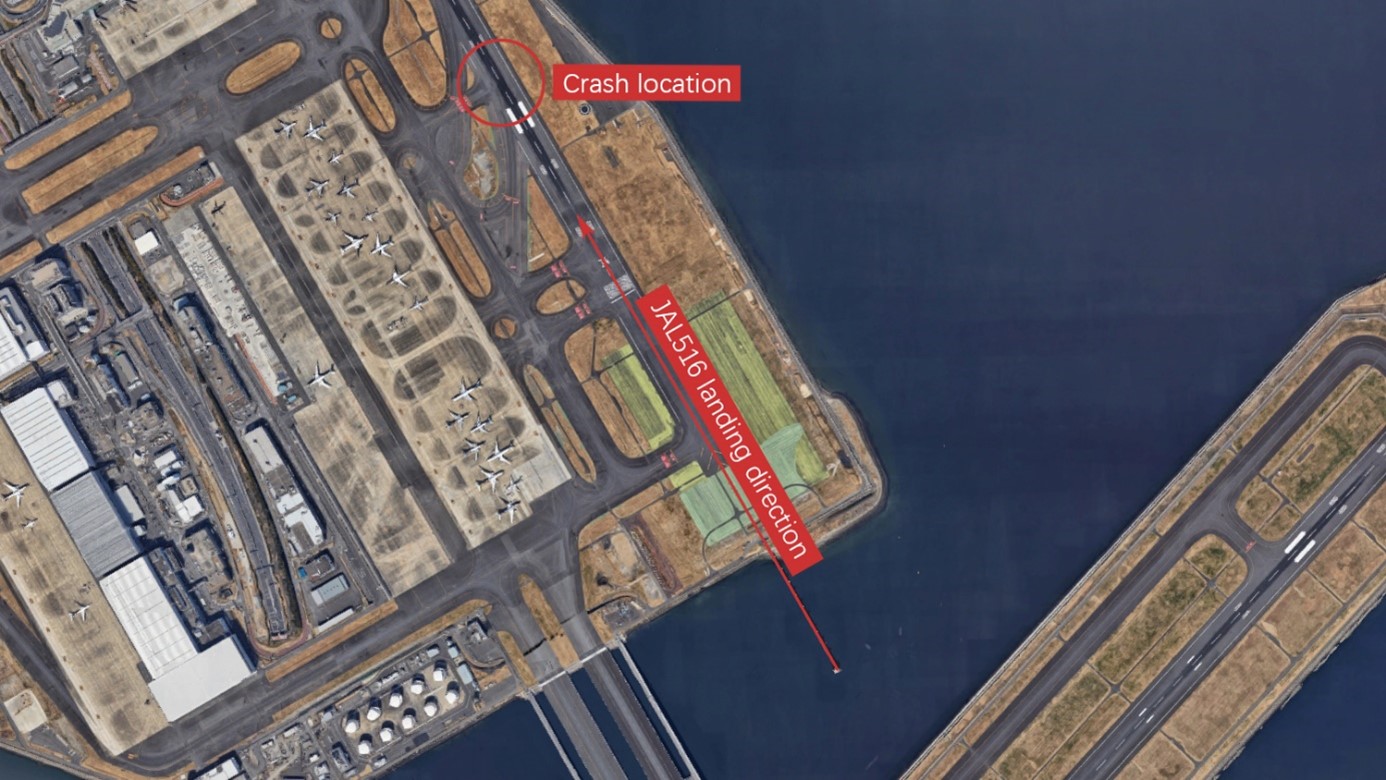
On January 2, a Japan Airlines A350, flight number JAL516, was involved in a collision with a Japan Coast Guard DHC-8 during its landing at Haneda Airport. Five of the six crew on board the DHC-8 died in the collision, but all 367 passengers and 12 crew on the A350 were evacuated without a fatality. Both aircraft were destroyed by the fire after the crash.

What is runway incursion and why does it happen?

ICAO defines a runway incursion as any occurrence at an aerodrome involving the incorrect presence of an aircraft, vehicle or person on the protected area of a surface designated for the landing and take-off of aircraft. The runway incursion may dramatically increase the risk of collision. Since runway incursion occurs during the landing or take-off phase of an aircraft, at least one of the involved aircraft will be running at a high speed, which increases the risk of aircraft damage, injury, and fatality. Due to its severe consequences, ICAO places it among the five highest-risk categories of safety events. The deadliest accident in aviation history, the Tenerife Airport disaster, which resulted in 583 fatalities, was also attributed to the runway incursion.

Many factors may induce this incident. According to the Global Action Plan for the Prevention of Runway Incursion (GAPPRI) developed by EUROCONTROL, the variability of human performance, lack of systemwide collision avoidance barriers, degraded runway status awareness, miscommunication and coordination, and challenges in surface navigation are the main reasons.

To reduce its occurrence and to mitigate its impact once it happens, all the stakeholders involved in the airport operations, including airport designers, airport operators, aircraft operators, air navigation service providers (ANSPs), ground handlers, manufacturers and the rescue and fire-fighting services (RFFSs), usually develop comprehensive regulations, procedures, training, and inspections from their own perspective. However, as a systemic incident, the prevention of runway incursion needs collaborative endeavors from many positions in various scenarios. Thus, it is necessary to introduce a comprehensive but concise method to deliver the risk management measures and the safety status to all related personnel.

Bowtie – understands runway incursion from another perspective

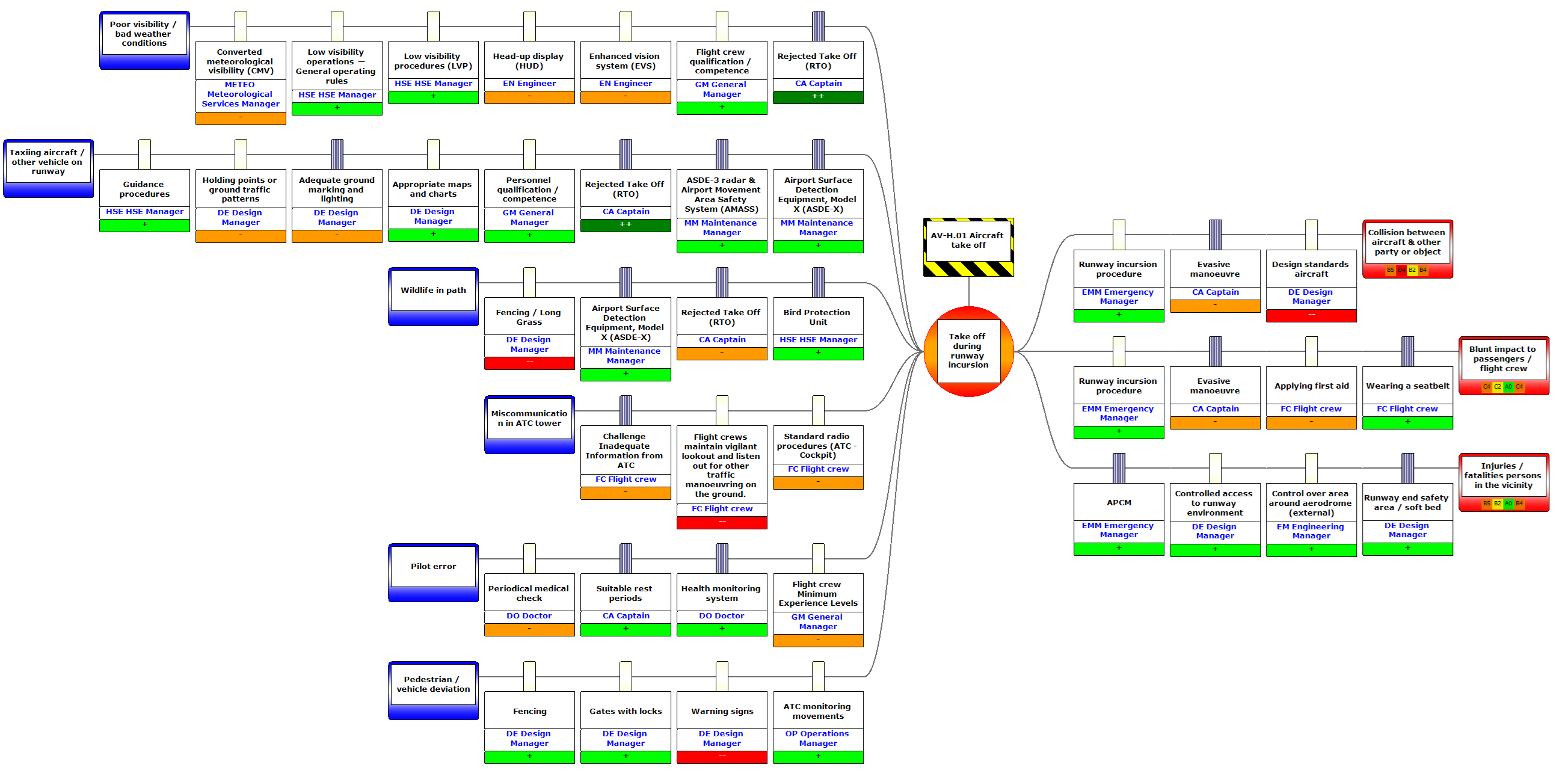
A bowtie diagram visualizes the risk you are dealing with in one understandable picture. The diagram is shaped like a bowtie, creating a clear differentiation between the proactive and reactive sides of risk management. The bowtie methodology provides another perspective on risk management. Different from traditional risk management which focuses on a specific position or process, a bowtie diagram is developed from an event.

With structured knowledge, different scenarios including the reasons and consequences of the event could be built up. Barriers could be set into scenarios to show what controls are in place to prevent, mitigate or eliminate major consequences from happening. Bowtie diagrams ensure easy risk communication by making the risk visual and understandable on the right abstraction level. Various colours, patterns or filters could be used to highlight the position in charge as well as the criticality and effectiveness of the barriers, which provides the safety manager with an overview of the entire risk management.

Bowtie methodology also provides solutions for the life cycle of risk management from proactive safety inspection to reactive incident investigations. Since all the processes are organized under the same method structure, the procedures could be simplified and the results could be presented in a clear, understandable and uniform way. Out of its benefits, the UK Civil Aviation Authority and other organisations have listed bowtie as a recommended method of risk management.

*To70 uses the Bowtie methodology to understand complex safety critical incidents and other issues. 


Read more Articles and News

Posted inCapacity, Efficiency, Safety

Safety Oversight System to enhance the efficiency and effectiveness of National Civil Aviation Authority’s regulation processes

The Universal safety Oversight audit Program (USOAP) is a method developed by the International Civil Aviation Organization (ICAO) to assess and monitor the safety oversight capabilities of Member States. Nowadays, the USOAP will become the challenge for National Civil Aviation Authorities (CAAs) by many reasons such as data management, coordination effective, resources allocation etc. To meet these challenges, the Safety Oversight System has become the one of approaches, which help CAAs implement a centralized database, standardized processes and documents management. There is important in meeting the challenges of the future, as aviation systems become increasingly complex and new technologies are introduced. Now, let’s explore the advantages of implementing a Safety Oversight System in greater detail.

Advantages of using the Safety Oversight System 

The Safety Oversight System, which are beneficial to stakeholders in aviation value chain, is able to improve efficiency, safety and cost-effectiveness.
>In recent years, CAAs have been implementing a Safety Oversight System in their aviation processes to improve efficiency, safety and cost-effectiveness which are beneficial to stakeholders in aviation value chain.

Improved Efficiency of Working Process

Safety Oversight System can lead to significant improvements in efficiency, particularly in the authorities where limited resource. By streamlining processes and reducing errors, digitalization can help aviation authorities to optimize their operations and maximize their resources.
For example, digitalizing the certification process can reduce the time and resources required to review and approve applications. By automating tasks such as document verification and record keeping, speed up the certification process and reduce errors. This can lead to faster processing times for applicants and ultimately improve the aviation industry’s safety and security.
Additionally, digitalization can also improve the efficiency of inspections and audits. By automating the collection and analysis of inspection data. This can help to prioritize resources and better target inspections and audits to ensure compliance with regulations.

Enhanced Safety and Security Oversight Standard

As an aviation authority, ensuring safety is of huge importance. Digitalization can greatly enhance safety in the aviation industry by providing aviation authorities with centralized database collection and analysis. This can enable them to take proactive measures to ensure the safety and security of air travel.
>For example, in the maintenance process, a Safety Oversight System can provide a structured approach to managing maintenance risks, from identifying potential hazards to implementing preventative measures. This can help aviation authorities to detect potential safety hazards early and take preventative measures to prevent costly and dangerous failures.

Increased Cost-Effectiveness

As an aviation authority, ensuring cost-effectiveness is important to efficiently allocate limited resources to enhance safety and operational effectiveness. The system can help aviation authorities to achieve cost savings and optimize resources allocation in the aviation industry.
>One way digitalization can improve cost-effectiveness is by streamlining processes and reducing the need for manual labor, which can reduce costs associated with time and labor. For example, digitalizing record keeping can reduce the need for physical storage and printing of documents, which can save on storage space and paper costs.

Example

Safety is important in aviation and the Safety Oversight System is a critical tool that ensures compliance with safety standards and regulations. Therefore, many applications of Safety Oversight Systems have become widespread to many CAAs who have been adopted for various work processes.
The example of the Safety Oversight System at work can be seen in the Aircraft Maintenance Organization process. Across many countries, aviation authorities grant certificates to these organizations to ensure compliance with safety standards and regulations. Similarly, acquiring a pilot license requires substantial effort from the aviation authority. The Safety Oversight System simplifies tasks like issuing certificates or licenses by consolidating them into a centralized database. This not only eliminates the need for paper-based processes but also allows for more organized management of applications via the system.

The centralized database greatly improves the efficiency of the Safety Oversight System by streamlining data management and making it easily accessible. This ensures that safety information is both accurate and current, facilitating better analysis of safety concerns. Easy access to information accelerates the safety oversight process, enabling safety inspectors and auditors to identify safety risks more rapidly and implement timely mitigations. In addition, the shared platform fosters better collaboration among stakeholders, further enhancing the system’s overall efficiency.
Moreover, the system aids in preventing counterfeiting by regulating the printing of certificates or licenses. These documents can only be printed at authorized locations where the operators or applicants are entitled to receive them. The Safety Oversight System also ensures that documents such as audit reports are managed consistently, simplifying future updates or layout changes.
>By streamlining data management, simplifying access, and promoting collaboration among stakeholders, the Safety Oversight System plays a crucial role in upholding and improving aviation safety standards.

On a final note

The aviation industry is constantly evolving, and the challenges it faces are becoming more complex and challenging. The implementation of a Safety Oversight System can help aviation authorities to overcome these challenges and enhance the efficiency and effectiveness of their regulation processes. Furthermore, the Safety Oversight System is one of keys tool that can help CAAs to prepare for the USOAP assessment. By implementing the Safety Oversight system, CAAs can demonstrate their commitment to safety and security and improve their chances of achieving a positive assessment.
>Countries such as the one discussed in the example have already implemented the Safety Oversight System, and other countries are likely to follow suit. By prioritizing safety, streamlining processes, and optimizing resource allocation, aviation authorities can ensure that the aviation industry remains safe, secure, and cost-effective for all stakeholders involved.


Read more Articles and News