Skip to content

Articles & News

Posted inCapacity, Strategy

Fast-Time Simulation, as an airspace planning and development tool

Aviation has been growing at a rapid pace, and at times it may seem that efforts are not enough. Despite advancements in aircraft and technology, they may prove to be less effective if we do not consider the available airspace for their operation.

While predicting the future of airspace in the coming years precisely is a challenge, we can make some estimations regarding the factors that will influence its evolution, such as automation, integration of unmanned aerial vehicles (UAVs), improvements in operational safety, emissions reduction, and the growth of air traffic. In this blog, we will focus on the latter aspect.

Nowadays, airspace users such as airlines, general aviation, military, and UAVs, among others, are seeking alternatives to accommodate the increasing air traffic in the airspace. This plan aims to ensure that all stakeholders in this domain function effectively to guarantee operational safety and prevent demand from exceeding the capacity or the controller workload. Additionally, it aims to maximize operational efficiency and reduce emissions.

A fast and cost-effective way to evaluate airspace response to traffic growth is through Fast Time Simulation (FTS). This tool quickly processes a large volume of traffic, creating simulations of airspace behavior in a model that closely resembles reality. This enables the selection of optimal designs based on the planning needs mentioned in the preceding paragraph.

Recent years

We have utilized FTS to conduct various capacity studies at airports and their airspace. Below, we will mention some examples where we have employed FTS to suggest changes that could be implemented to anticipate an increase in capacity.

Several studies were conducted using FTS to assess and enhance the operational capacity of some airports in Latin America. These studies identified aircraft separation as a primary factor in restricted capacity and nighttime operation delays affecting the efficiency and future expansion potential of the airports. Some solutions were simulated, and among the most prominent results, measures such as reducing airspace separations and redesigning airspace to open new control positions were proposed, thus alleviating controller workload, and better managing increased air traffic.

Moreover, it was found that the implementation of simultaneous instrumental approaches to parallel runways (IPIA) (Which also required an airspace and procedure redesign) could significantly increase arrival capacity only. However, it was noted that combining the implementation of (IPIA) and reducing separations between arriving aircraft for allowing a departing aircraft to take off, could result in increased capacity in both scenarios when:

  • Arrivals prevail
  • In mixed operations (When half of the operations are arrivals, and the other half are departures).

In another project, airspace capacity was simulated considering the workload of controllers. It was found that the lack of horizontal separation between inbound and outbound flows of the Terminal Control Area (TMA) generated conflicts and increased the controller workload. This highlighted the need to improve procedures to resolve these issues efficiently.

All previous simulations were conducted to enhance operational performance related to airspace, to achieve maximum efficiency, and to identify bottleneck points and delays. With all of this, it becomes possible to contemplate new strategies and proposals that enable the resolution of existing problems, as well as those that may arise in the long term with the increase in airspace demand.

References

Authority, U. C. (2024). UK Civil Aviation Authority.

Pier Ferraris, M. R. (June de 2022). ICAO Meeting.

Solutions, T. (Mayo de 2024). Transoft Solutions

Yao Lu, C. L. (August de 2021). FAST-TIME SIMULATION OF AIRPORT SURFACE MOVEMENT.


Read more Articles and News

Posted inAbout to70, News, Press

To70 is certified as Flight Procedure Design Service Provider by the Dutch Civil Aviation Authority

We are delighted to announce that To70 is certified under Implementing Regulation (EU) 2017/373 by the Dutch Civil Aviation Authority (ILT) to provide Flight Procedure Design (FPD) services. Our certificate allows us to design, document and validate instrument flight procedures intended for operational use. Our designs are conducted within the framework of ICAO and EASA regulations.

“We are looking forward to consolidating Flight Procedure Design one of our core businesses. With this certification and our dedicated team behind it, To70 is expanding its capabilities portfolio, bringing us closer to becoming a comprehensive solution provider for the aviation industry’s needs.” remarks Kjeld Vinkx, Managing Director.

We offer various services on this topic, such as; design, validation and maintenance of instrument flightprocedures, feasibility studies and concept designs, aeronautical and safety studies, CONOPS and training.


Read more Articles and News

Posted inEnvironment, Safety, Sustainability & Innovation

On the rise: Aviation’s Non-CO2 emissions   

Except for a handful of aviation academics and experts looking into the climate warming impact of non-CO2 emissions, the topic was largely avoided in the past decades. Now the issue is on the rise, and it is time to inform the sector 

The rise of Non-CO2 emissions 

In 2020, EASA kicked off the debate into non-CO2 in aviation by publishing “Updated analysis of the non-CO2 climate impacts of aviation and potential policy measures pursuant to EU Emissions Trading System Directive Article 30(4)[1]”. This sector report followed many years of research on non-CO2 emissions in aviation, describing the radiative forcing (ergo climate warming) impact of non-CO2, contrail modeling and warming impact assessment. The academic and EASA results show non-CO2 emissions warming impact may be equal to or even twice as high as CO2 emissions.   

In recent years, several EU research projects as well as contrail trials were set up by flight planner Flightkeys and network manager EUROCONTROL. Most recently, the topic has been picked up by EU legislators in the form of a heavily debated (and lobbied [2]) Monitoring, Reporting and Verification (MRV) framework. In the meantime, the academic front continued their research. Under leadership of the DLR, Imperial College, MIT and others, progress is being made on atmospheric physics that explains where contrails form, prediction; and mitigation strategies. Google Research is including satellite imagery data to further improve the models. (figure 1). Finally, Breakthrough Energy’s Reviate team is specializing in predicting contrail formation and has developed an interface to allow airlines to build contrail avoidance into their flight planning. 

Figure 1: Reviate Contrails map

Considering the recent action and new insights around the topic, many aviation stakeholders are likely (and rightly) wondering: “Is this relevant for me and if so, why?”. To answer that question, let’s first dive into what non-CO2 emissions are.

Contrail formation 

The main non-CO2 emissions from aviation in terms of climate warming impact, are nitrogen oxide (NOx) emissions, water vapor emissions, but above all formation of persistent contrails that contribute at least 86% of the total non-CO2 emissions in aviation. Contrails are cirrus clouds that form as a result of aircraft engine soot particle and water vapor emissions reacting with the water vapor in the atmosphere. These clouds can have both a cooling effect by reflecting sunlight, and a warming effect when they block heat radiating off the earth. The total warming effect is larger than the cooling effect. This leads to a net warming effect.

Figure 2: Contrail impact (Reviate)

Globally, only around 5% of all flights form over 80% of the warming contrails. Adjusting a small portion of flight operations could lead to a considerable reduction of warming impact. There are two main methods being advanced to reduce (warming) contrail formation. First is the use of alternative fuels that produce less soot and thereby less contrails, though the effect of this seems limited with current SAF targets [3]. The second method is the avoidance of contrails by adaptation of the flight path to avoid atmospheric areas that are prone to contrails (so called “ice super saturated regions”). This way, contrails are not formed regardless of the engine emissions. At To70 we have teamed up with Breakthrough Energy and several airlines and flight planners to work on contrail avoidance in the EU innovation fund application “Contrail Pilots”.

Airports

Although airports do not seem to have a significant role (yet), they are interested in the topic. For airports, non-CO2 emissions historically focus on local emissions (Particulate matter, nitrogen oxides) emitted during taxi, takeoff and landing. In a project To70 did for the Roundtable on sustainable biomaterials (RSB), we assessed the role of airports in reducing aviation non-CO2 emissions to improve local air quality and to reduce contrail formation. The key takeaways presented to RSB focused on (1) stakeholder engagement to increase the use of targeted SAFs, (2) identifying opportunities for optimal SAF supply chains and (3) the development of market shaping strategies that incentivize the use of SAF to reduce non-CO2 emissions. In terms of flight path or airspace changes, airports do not have a significant role as of yet though these are being explored. 

Air Navigation Service Providers

At first glance, ANSPs would seem to be the most impacted by non-CO2 emission mitigation strategies that involve adjusting the flight’s route and profile, as they govern airspace. They should be well informed on the topic and have a clear grasp of potential changes. However, recent developments and trials by flight planners show that pre-tactically changing flight plans to avoid ISSRs may be sufficient to reduce contrail formation. The ANSP or network manager would see incidental but high impact flight plan adaptations due to contrails mitigation but would not have to adapt their own systems. On the other hand, EUROCONTROL has run initial trials to reduce contrail formation through tactical adjustments of flights within the airspace rather than by the flight planner on the ground.

These strategies for airports, ANSPs and other aviation stakeholders are currently being further developed and tested. At To70, we see the need to inform stakeholders and support them in taking action to reduce non-CO2 emissions. Beyond our support to the EU MRV and airport non-CO2 insights, To70 is able to provide knowledge on environmental impacts of non-CO2 emissions as well as knowledge on the practical implementation of mitigation strategies. We can provide this from an operational airport, airline, government policy and ANSP perspective. We look forward to reducing non-CO2 emissions together with the sector.  


[1] Updated analysis of the non-CO2 climate impacts of aviation and potential policy measures pursuant to EU Emissions Trading System Directive Article 30(4) – Report from the Commission to the European Parliament and the Council | EASA (europa.eu)

[2] Airlines divide over new EU rules on monitoring and reporting of their non-CO2 emissions – GreenAir News

[3] Teoh, Roger, et al. “Targeted use of sustainable aviation fuel to maximize climate benefits.” Environmental Science & Technology 56.23 (2022): 17246-17255.


Ream more Articles and News

Posted inSafety, Strategy

3-D visualisation as a tool to understanding aviation risks 

For developments within or in the vicinity of aerodromes, their risks to aviation safety must be identified and addressed in the design and construction phases of these projects. However, the developers engaged to perform these tasks may not have a sufficient understanding of the relevant aviation safety requirements. As consultants, we play a vital role bridging the knowledge gap between them and the various aviation stakeholders.

Limitations of Standards and Recommended Practices (SARPs) 

One of the aims of International Civil Aviation Organization (ICAO) is to develop SARPs for member states to assist in managing aviation safety risks.[1] For example, ICAO Annex 14: Volume I provides the minimum design and operational recommendations that can be referenced to identify aviation risk due to developments in or near the aerodrome. SARPs are intended to cater for a multitude of operations, and the varying complexity of the aviation environment results in numerous cross-references throughout the document. The lack of graphical illustrations further limits the ability of non-aviation stakeholders in understanding  the requirements. As consultants, we assist developers by filtering out the applicable clauses and provide bespoke visualisation for them to understand the risks.

3-D Visualisation Tools 

In my line of work, I have been exploring different software and methods to improve project deliverables and perform better risk assessment. In this article, I will share how some of these tools can be used to visualize the aviation requirements for a better appreciation of the risks.

Obstacle Limitation Surfaces (OLS)

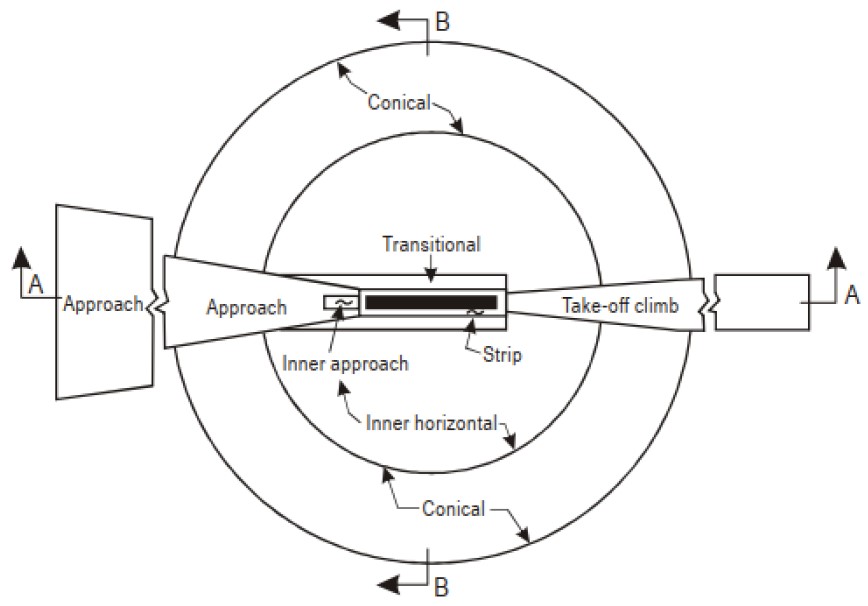
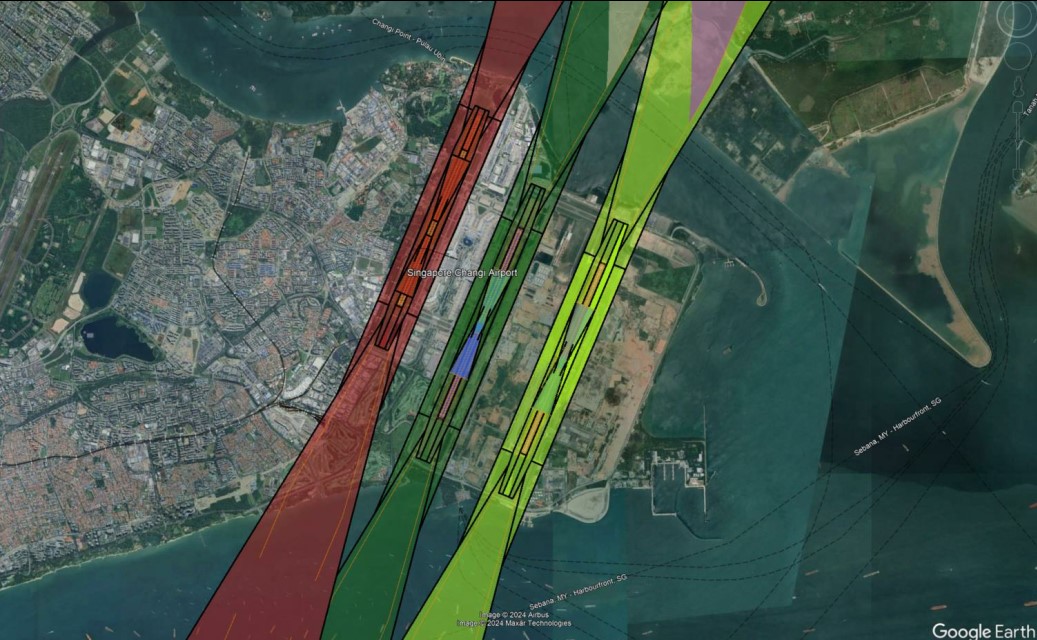
OLS exists to safeguard aircraft from obstacles in the vicinity of airports. The OLS illustration in ICAO Annex 14, Figure 1 (left), is generic, and the actual OLS differs between airports. Without prior aviation knowledge, developers may not be able to understand how the different OLS may affect their development and vice versa. This is where we step in to ensure that there are no lapses in safety precautions by assisting with the translation of the ICAO requirements into 3-D surfaces for developers to interact with. For example, I used Python in a previous project to generate the OLS for Singapore Changi Airport on Google Earth, Figure 1 (right). By using Google Earth, a free open-source platform, developers are now able to interact with the various surfaces via a user-friendly interface. Since the OLS is overlayed onto a base map, developers can easily identify the location of the development with respect to the OLS to assess the impact on aviation and vice versa.


Figure 1: ICAO OLS illustration [2] (left) vs Python generated OLS on Google Earth (right)

Line-of-Sight (LOS) Impact Study

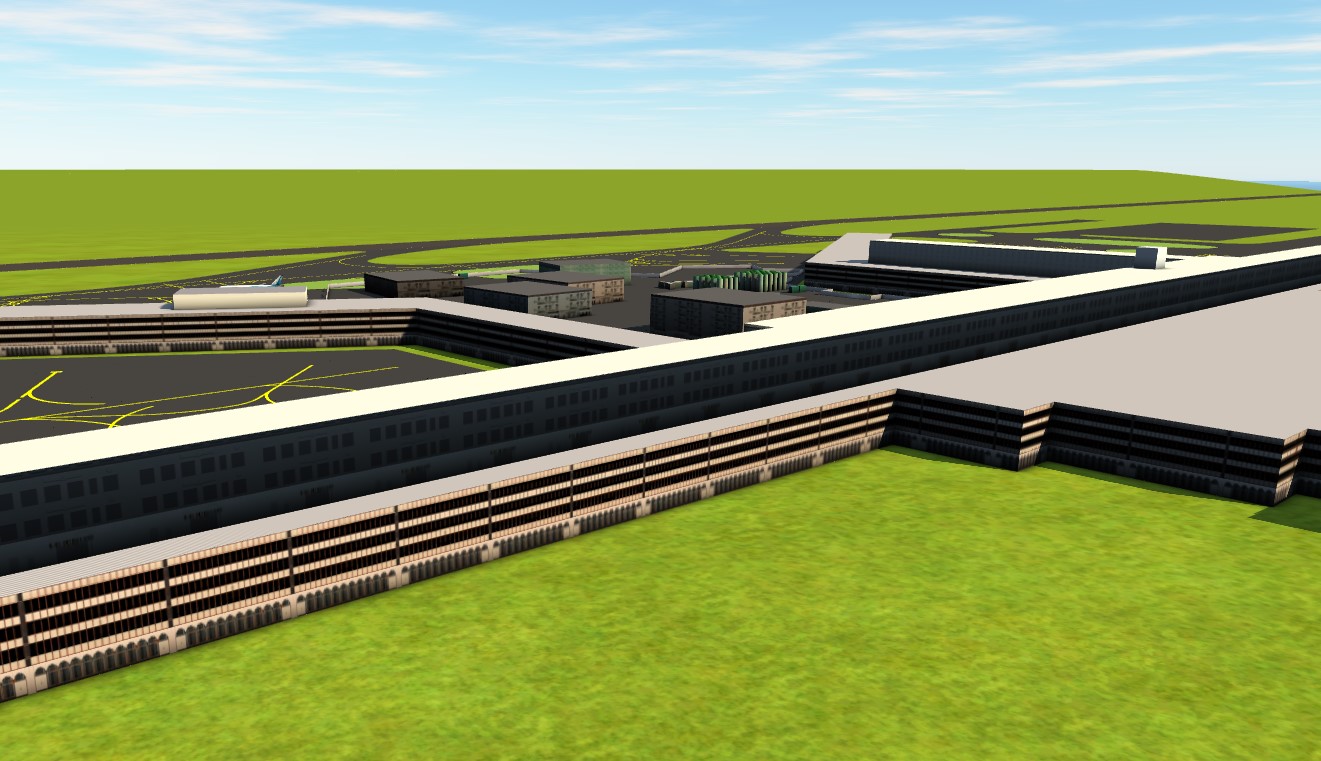
LOS is the most important factor for ATCs to ensure safe and expeditious traffic management within the airport. It is crucial that these developments do not interfere with the ATCs’ LOS within their Area of Responsibility (AoR). Drawing inspiration from architects, we can use Building Information Management (BIM) software to create a digital twin of the development within the airport, Figure 2. This allows us to accurately assess the LOS impact and create amazing visuals to justify our findings to stakeholders, increasing the chances of acceptance.

To wrap up

In conclusion, 3-D visualization software is a good tool to help aviation and non-aviation stakeholders have a better appreciation of the risks due to developments within or in the vicinity of the airport. They allow us to combine both ICAO requirements and development plans on a common platform to perform better aviation risk assessments through a digital twin concept. As the aviation industry becomes more digitalized, it will be interesting to see more such use cases to better educate the industry about aviation risks and requirements.


[1] https://skybrary.aero/articles/standards-and-recommended-practices-sarps

[2] ICAO Annex 14 Volume 1: Aerodromes


Ream more Articles and News

Posted inCapacity, Environment, Strategy

Beyond the Runway – Navigating Airport Master Planning 

Successful airport development extends beyond infrastructure construction; it involves fostering connectivity and prosperity both in the skies and on the ground. This core principle underscores the substantial impact of strategic, long-term planning on airport and aviation infrastructure. Master planning serves as the foundation of this process, shaping airports to be flexible, resilient, and sustainable entities for the future. 

Within this context, the airport represents a highly complex system where its capacity and adaptation to demand growth must be planned with long-term perspectives, focusing on the Quality of capacity. Masterplans should be capable of enhancing the functionality levels of the airport and the services provided to passengers. Simultaneously, they should adhere to the ecological and environmental requirements of the surrounding area. That’s why To70 aims to address the broader question of how to enhance the Quality of the offered capacity, making it sustainable, more modular, and resilient to sudden changes.

Recent data from the International Civil Aviation Organization (ICAO) indicates a rapid expansion in air travel, reflecting increased flights and passengers worldwide. Despite challenges such as those posed by the Covid-19 pandemic and growing environmental concerns, demand for air travel remains strong. This underscores the importance of airports enhancing their quality of capacity to accommodate rising passenger numbers sustainably. It’s crucial for airports to adjust master plans accordingly, ensuring they can effectively manage increased volumes while prioritizing environmental, social, and economic sustainability.

What is Airport Master Planning?

Airport master planning, as described by the International Civil Aviation Organization (ICAO), involves the systematic and strategic process of analyzing current and future aviation demand, identifying infrastructure requirements, considering environmental and safety factors, and establishing long-term development strategies to guide the growth and development of an airport. This comprehensive approach encompasses key elements such as:- runways, – taxiways, – cargo facilities, – terminal buildings, – car parking areas, – aprons, – hangars, – fuel depots, – control tower and other essential infrastructure. At To70, we believe that a successful airport master plan should prioritize enhancing passenger experience, optimizing operational efficiency, and accommodating Growth in a flexible, resilient and Sustainable way.

Let’s now explore in detail each of these crucial elements that constitute a successful airport master plan.

A. Enhancing passenger experience

Developing an airport that prioritizes the passenger experience is crucial for effective airport master planning. It involves formulating a strategy rooted in a deep comprehension of customer desires, of passenger preferences to develop and refine profiles, and delving into their behaviors and patterns to create a highly personalized experience. The integration of technology plays a pivotal role in elevating operational efficiency, optimizing the passenger journey, and minimizing the necessity for additional infrastructure, enhancing the level of service across all subprocesses and guaranteeing a seamless journey.

B. Efficient operations

Strategic and efficient airport management guarantees flawless transitions and optimal performance at each phase. Meticulously planned infrastructure, including runways, taxiways, and aprons, not only streamlines aircraft movements but also minimizes taxi times, elevating overall operational efficiency. Crucial to meeting both current and future demands, resource optimization and capacity planning are prioritized, featuring flexible layouts adaptable to diverse aircraft sizes. Resilience is inherent, with contingency plans and backup systems in place, ensuring uninterrupted operations even in the face of unexpected disruptions. Similarly, the landside infrastructure adheres to this concept to amplify the passenger experience as previously outlined.

C. Accommodating Growth in a flexible, resilient, and Sustainable way

To envision a dynamic airport landscape teeming with activity, it is essential to devise a masterplan that can adapt flexibly to rapid aviation growth while remaining resilient to downsizing due to disruptions and climate risks. This demands meticulous foresight and strategic planning, starting with an analysis of current and projected air travel demands against existing infrastructure capacity. Comprehensive demand forecasting scrutinizes historical data to discern emerging trends. Infrastructure planning orchestrates phased expansion strategies to optimize airport capacity and operational efficiency, emphasizing flexibility and modularity in design for seamless adaptation over time. Terminal layouts and gate configurations are engineered for versatility, while runway and taxiway designs ensure scalability to manage heightened air traffic with minimal environmental impact and cost. All of this is carried out with a keen focus on the quality of capacity, ensuring that the airport grows sustainably over time.

Steps for an Airport Master Planning 

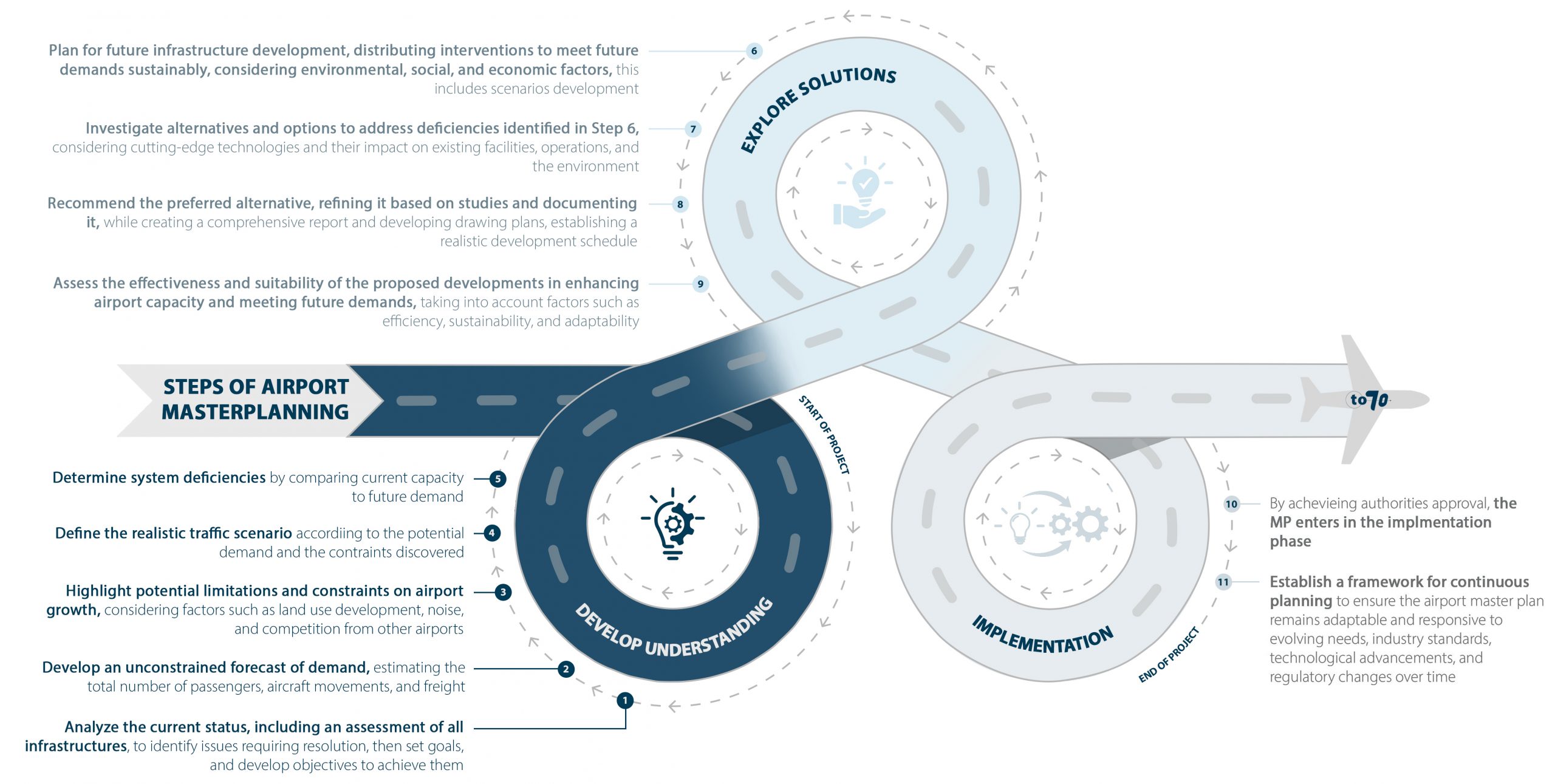
Airport master planning is a comprehensive process that guides the growth and development of an airport, ensuring its long-term sustainability and effectiveness. At To70 airport master planning process is divided into three distinct phases: developing understanding, exploring solutions, and implementation. Within each phase, thorough analysis, collaborative project meetings, and the creation of essential work products by the project team are crucial. Moreover, a critical aspect of each phase is the incorporation of feedback loops, allowing for adjustments and refinements to the work based on stakeholder input and changing circumstances. 


Read more Articles and News

Posted inAbout to70, News, Press

To70 was awarded a contract for Airport-CDM implementation by Airports Corporation of Vietnam

We are pleased to announce that we have been awarded a contract to implement Airport CDM at Ho Chi Minh City Tan Son Nhat (SGN) and Hanoi Noi Bai (HAN) International Airports.

The multi-year contract has been delivered in the period 2020 – 2023 by the To70 global team from Australia, Belgium, Netherlands and Thailand, in conjunction with our local partner Skyparty Vietnam.

The scope of work included development of GAP Analyses, Cost Benefit Analyses, establishing a Performance Monitoring Organisation, Training, Concept of Operations, Implementation, Test Management and Validation, Trial & Live operation preparation.

Since 1st of February 2024, both Tan Son Nhat and Noi Bai International Airports are live operating Airport CDM.

To70 has broad experience working with Airports, Air Navigations Service Providers, Airlines and Handling Agents in the development and delivery of Airport CDM analysis and implementation across Europe, the Middle East, Asia-Pacific and the Americas.


About ACV

Airports Corporation of Vietnam is operating under parent company – subsidiaries model, managing 22 airports nationwide, of which 9 are international airports: Tan Son Nhat, Noi Bai, Da Nang, Phu Bai, Cam Ranh, Phu Quoc, Can Tho, Vinh, and Cat Bi, and 13 are domestic: Buon Ma Thuot, Lien Khuong, Rach Gia, Ca Mau, Con Dao, Phu Cat, Pleiku, Tuy Hoa, Chu Lai, Dong Hoi, Tho Xuan, Dien Bien and Na San; and also providing capital contribution to subsidiaries, joint-venture companies and affiliates.

ACV Press Release

About To70

Founded in the Netherlands in 2000 and expanded to 15 offices across the globe, To70 is one of the world’s leading aviation consultancies. We serve the aviation community by designing and optimising airport and airspace operations.

Our mission is to help society and industry address the air transport challenges they face by delivering outstanding independent consultancy services. Society’s growing demand for transport and mobility can be met in a safe, efficient, environmentally friendly, and economically viable manner. With a diverse team of experienced aviation consultants who possess first-hand knowledge across diverse range of aviation operations, To70 provides practical solutions and expert advice for its clients.

About Skyparty Vietnam

Provides consulting service in research, design, simulation and supervision of aviation project including airport planning, airport operation, airport lighting, airport system, airport equipment, airport security, web system, etc.


Read more Articles and News
Posted inCapacity, Efficiency, Safety

Understanding safety risks from another perspective – Bowtie

According to the initial investigation by the Japan Transport Safety Board, the recovered flight data and voice recorders indicate that the pilot misunderstood the ATC instruction and entered the runway without permission. Furthermore, it is suggested that the lack of monitoring by the ATC controller could have played a role in this unfortunate incident. This shows the complexity of aviation safety management which always involves many stakeholders. As a methodology focusing on specific events, the bowtie methodology may provide another perspective for the management of the major risks.

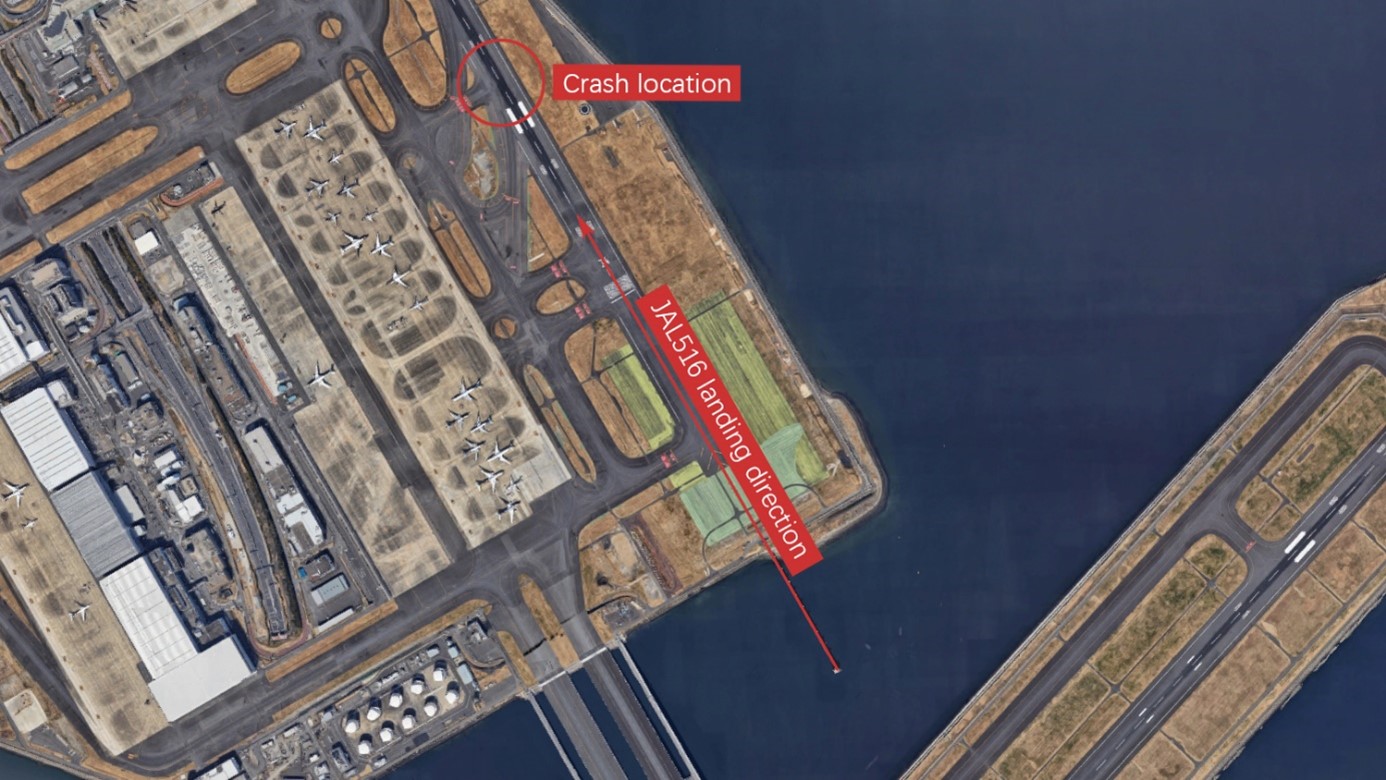
On January 2, a Japan Airlines A350, flight number JAL516, was involved in a collision with a Japan Coast Guard DHC-8 during its landing at Haneda Airport. Five of the six crew on board the DHC-8 died in the collision, but all 367 passengers and 12 crew on the A350 were evacuated without a fatality. Both aircraft were destroyed by the fire after the crash.

What is runway incursion and why does it happen?

ICAO defines a runway incursion as any occurrence at an aerodrome involving the incorrect presence of an aircraft, vehicle or person on the protected area of a surface designated for the landing and take-off of aircraft. The runway incursion may dramatically increase the risk of collision. Since runway incursion occurs during the landing or take-off phase of an aircraft, at least one of the involved aircraft will be running at a high speed, which increases the risk of aircraft damage, injury, and fatality. Due to its severe consequences, ICAO places it among the five highest-risk categories of safety events. The deadliest accident in aviation history, the Tenerife Airport disaster, which resulted in 583 fatalities, was also attributed to the runway incursion.

Many factors may induce this incident. According to the Global Action Plan for the Prevention of Runway Incursion (GAPPRI) developed by EUROCONTROL, the variability of human performance, lack of systemwide collision avoidance barriers, degraded runway status awareness, miscommunication and coordination, and challenges in surface navigation are the main reasons.

To reduce its occurrence and to mitigate its impact once it happens, all the stakeholders involved in the airport operations, including airport designers, airport operators, aircraft operators, air navigation service providers (ANSPs), ground handlers, manufacturers and the rescue and fire-fighting services (RFFSs), usually develop comprehensive regulations, procedures, training, and inspections from their own perspective. However, as a systemic incident, the prevention of runway incursion needs collaborative endeavors from many positions in various scenarios. Thus, it is necessary to introduce a comprehensive but concise method to deliver the risk management measures and the safety status to all related personnel.

Bowtie – understands runway incursion from another perspective

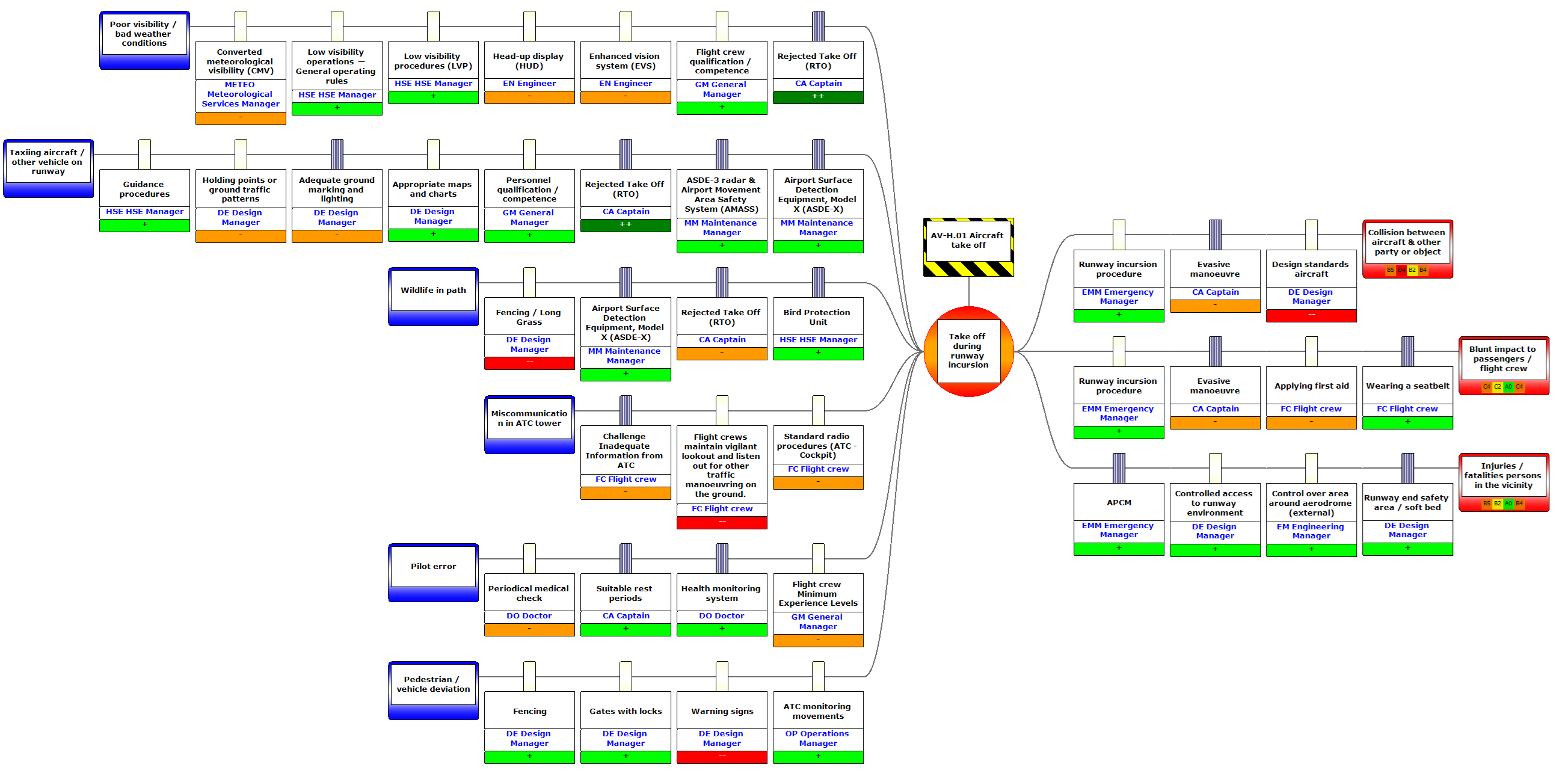
A bowtie diagram visualizes the risk you are dealing with in one understandable picture. The diagram is shaped like a bowtie, creating a clear differentiation between the proactive and reactive sides of risk management. The bowtie methodology provides another perspective on risk management. Different from traditional risk management which focuses on a specific position or process, a bowtie diagram is developed from an event.

With structured knowledge, different scenarios including the reasons and consequences of the event could be built up. Barriers could be set into scenarios to show what controls are in place to prevent, mitigate or eliminate major consequences from happening. Bowtie diagrams ensure easy risk communication by making the risk visual and understandable on the right abstraction level. Various colours, patterns or filters could be used to highlight the position in charge as well as the criticality and effectiveness of the barriers, which provides the safety manager with an overview of the entire risk management.

Bowtie methodology also provides solutions for the life cycle of risk management from proactive safety inspection to reactive incident investigations. Since all the processes are organized under the same method structure, the procedures could be simplified and the results could be presented in a clear, understandable and uniform way. Out of its benefits, the UK Civil Aviation Authority and other organisations have listed bowtie as a recommended method of risk management.

*To70 uses the Bowtie methodology to understand complex safety critical incidents and other issues. 


Read more Articles and News

Posted inCapacity, Efficiency, Safety

Safety Oversight System to enhance the efficiency and effectiveness of National Civil Aviation Authority’s regulation processes

The Universal safety Oversight audit Program (USOAP) is a method developed by the International Civil Aviation Organization (ICAO) to assess and monitor the safety oversight capabilities of Member States. Nowadays, the USOAP will become the challenge for National Civil Aviation Authorities (CAAs) by many reasons such as data management, coordination effective, resources allocation etc. To meet these challenges, the Safety Oversight System has become the one of approaches, which help CAAs implement a centralized database, standardized processes and documents management. There is important in meeting the challenges of the future, as aviation systems become increasingly complex and new technologies are introduced. Now, let’s explore the advantages of implementing a Safety Oversight System in greater detail.

Advantages of using the Safety Oversight System 

The Safety Oversight System, which are beneficial to stakeholders in aviation value chain, is able to improve efficiency, safety and cost-effectiveness.
>In recent years, CAAs have been implementing a Safety Oversight System in their aviation processes to improve efficiency, safety and cost-effectiveness which are beneficial to stakeholders in aviation value chain.

Improved Efficiency of Working Process

Safety Oversight System can lead to significant improvements in efficiency, particularly in the authorities where limited resource. By streamlining processes and reducing errors, digitalization can help aviation authorities to optimize their operations and maximize their resources.
For example, digitalizing the certification process can reduce the time and resources required to review and approve applications. By automating tasks such as document verification and record keeping, speed up the certification process and reduce errors. This can lead to faster processing times for applicants and ultimately improve the aviation industry’s safety and security.
Additionally, digitalization can also improve the efficiency of inspections and audits. By automating the collection and analysis of inspection data. This can help to prioritize resources and better target inspections and audits to ensure compliance with regulations.

Enhanced Safety and Security Oversight Standard

As an aviation authority, ensuring safety is of huge importance. Digitalization can greatly enhance safety in the aviation industry by providing aviation authorities with centralized database collection and analysis. This can enable them to take proactive measures to ensure the safety and security of air travel.
>For example, in the maintenance process, a Safety Oversight System can provide a structured approach to managing maintenance risks, from identifying potential hazards to implementing preventative measures. This can help aviation authorities to detect potential safety hazards early and take preventative measures to prevent costly and dangerous failures.

Increased Cost-Effectiveness

As an aviation authority, ensuring cost-effectiveness is important to efficiently allocate limited resources to enhance safety and operational effectiveness. The system can help aviation authorities to achieve cost savings and optimize resources allocation in the aviation industry.
>One way digitalization can improve cost-effectiveness is by streamlining processes and reducing the need for manual labor, which can reduce costs associated with time and labor. For example, digitalizing record keeping can reduce the need for physical storage and printing of documents, which can save on storage space and paper costs.

Example

Safety is important in aviation and the Safety Oversight System is a critical tool that ensures compliance with safety standards and regulations. Therefore, many applications of Safety Oversight Systems have become widespread to many CAAs who have been adopted for various work processes.
The example of the Safety Oversight System at work can be seen in the Aircraft Maintenance Organization process. Across many countries, aviation authorities grant certificates to these organizations to ensure compliance with safety standards and regulations. Similarly, acquiring a pilot license requires substantial effort from the aviation authority. The Safety Oversight System simplifies tasks like issuing certificates or licenses by consolidating them into a centralized database. This not only eliminates the need for paper-based processes but also allows for more organized management of applications via the system.

The centralized database greatly improves the efficiency of the Safety Oversight System by streamlining data management and making it easily accessible. This ensures that safety information is both accurate and current, facilitating better analysis of safety concerns. Easy access to information accelerates the safety oversight process, enabling safety inspectors and auditors to identify safety risks more rapidly and implement timely mitigations. In addition, the shared platform fosters better collaboration among stakeholders, further enhancing the system’s overall efficiency.
Moreover, the system aids in preventing counterfeiting by regulating the printing of certificates or licenses. These documents can only be printed at authorized locations where the operators or applicants are entitled to receive them. The Safety Oversight System also ensures that documents such as audit reports are managed consistently, simplifying future updates or layout changes.
>By streamlining data management, simplifying access, and promoting collaboration among stakeholders, the Safety Oversight System plays a crucial role in upholding and improving aviation safety standards.

On a final note

The aviation industry is constantly evolving, and the challenges it faces are becoming more complex and challenging. The implementation of a Safety Oversight System can help aviation authorities to overcome these challenges and enhance the efficiency and effectiveness of their regulation processes. Furthermore, the Safety Oversight System is one of keys tool that can help CAAs to prepare for the USOAP assessment. By implementing the Safety Oversight system, CAAs can demonstrate their commitment to safety and security and improve their chances of achieving a positive assessment.
>Countries such as the one discussed in the example have already implemented the Safety Oversight System, and other countries are likely to follow suit. By prioritizing safety, streamlining processes, and optimizing resource allocation, aviation authorities can ensure that the aviation industry remains safe, secure, and cost-effective for all stakeholders involved.


Read more Articles and News

Posted inEnvironment, Strategy, Sustainability & Innovation

Airports as Catalysts: Driving SAF Adoption Through Incentive Funds 

In an era marked by global efforts to combat climate change, the aviation industry faces growing scrutiny. Forecasts predict a substantial increase in passenger air travel in the coming years, amplifying concerns over the industry’s carbon emissions and underscoring the need for immediate action. This is where Sustainable Aviation Fuel (SAF) emerges as a groundbreaking solution to mitigate carbon emissions in aviation. Given that SAF can substantially reduce carbon emissions by up to 80% throughout its lifecycle compared to traditional jet fuel[1], airport incentives are needed to drive the production and adaption of SAF. 

Airports, acting as critical hubs within the aviation ecosystem, have a pivotal role in facilitating the availability and uptake of SAF. One powerful mechanism adopted by several airports is the SAF Incentive Fund, a strategic initiative designed to bridge the price gap between SAF and traditional jet fuel for airlines. The comprehensive details of the SAF Incentive Fund are outlined in the SAF Catalogue, a collaborative effort led by Stargate, To70, the University of Hasselt, and supported by Brussels Airport Company. 

How the SAF Incentive Fund works 

The SAF Incentive Fund is typically set up by the airport authority, often in collaboration with industry partners or stakeholders. The specific subsidy amount is determined based on various factors, including the type of SAF (e.g., biofuels or synthetic e-fuels), the current market price of SAF, and the fund’s available resources. 

Airlines that choose to refuel with SAF at the airport can apply for subsidies from the SAF Incentive Fund. This application process typically involves providing details about the SAF purchase, including the quantity, type of SAF, and associated costs. 

Once the application is approved and the subsidy amount is determined, the airport disburses the subsidy to the airline. This can be done in various ways, such as providing a fixed amount or a percentage of the price difference between SAF and traditional jet fuel. 

By doing so, the financial assistance effectively reduces the net cost of SAF for the airline, making it more economically viable compared to traditional jet fuel. 

Leading Airports in Establishing SAF Incentive Programs 

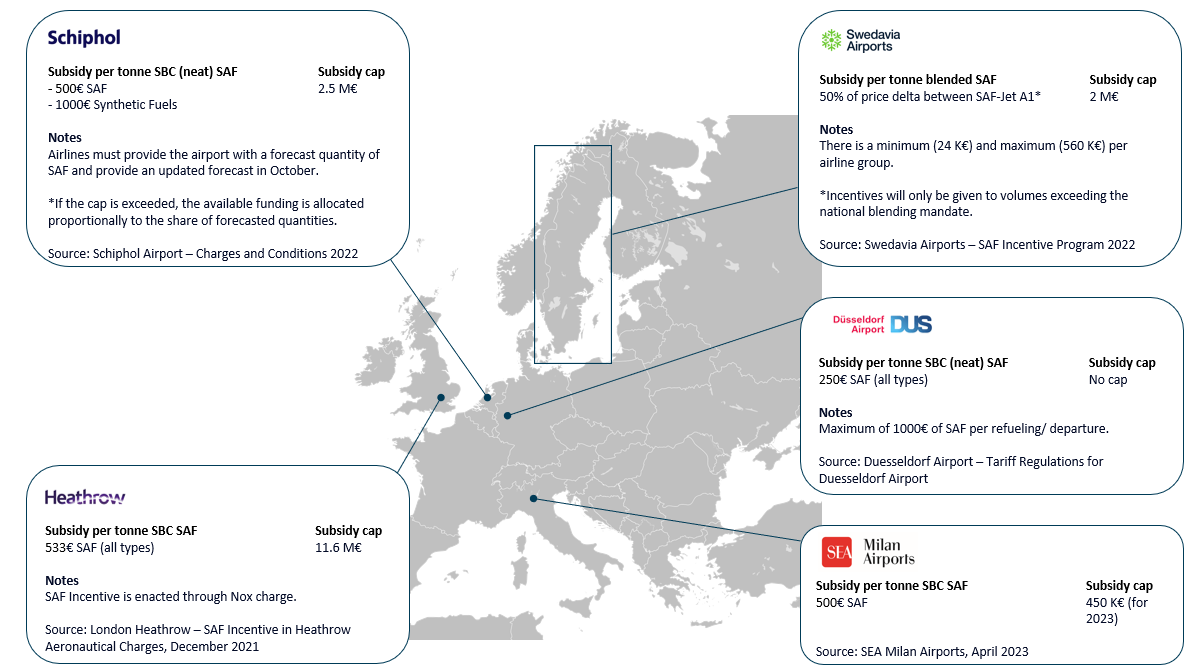
Several leading airports like Schiphol, Swedavia, Heathrow, Dusseldorf, and Milan have already taken action by establishing SAF Incentive Funds to accelerate the aviation industry’s transition to sustainable practices. 

Impact of SAF Adoption at Leading Airports 

In 2022, Heathrow became the first airport globally to launch a SAF Incentive Program that covers up to 50% of the extra cost of SAF, thereby reducing its financial burden on airlines. Heathrow now has set an ambitious objective to triple the percentage of SAF used at the airport in 2023 to approximately 1.5% and become one of the world’s leading airport users of SAF[2]. 

Furthermore, at Schiphol Airport, when airlines refuel with SAF, they receive subsidies of €500 per metric tonne of SAF (biofuels) and €1,000 per metric tonne of e-fuels (synthetic kerosene). To ensure a sufficient supply of SAF, Schiphol supported Neste (their SAF supplier) in acquiring a share of AFS (the fuel distributor at the airport). While Neste’s current production sits at 100,000 tonnes, the company has ambitious plans to scale up output in Rotterdam and Singapore to 1.5 million tonnes[3] 

These examples illustrate how airports can utilize financial incentives to stimulate SAF production. Such actions send a clear market signal about SAF’s crucial role in the long-term decarbonization of aviation. In addition, they encourage investments that can enhance production volumes and subsequently reduce costs.  

Taking Action as an Airport 

The growing number of airports joining SAF Incentive Funds reflects a rising commitment among airports to take a leading role in sustainability. However, many airports often lack clarity on the specific steps required to establish such initiatives. To address this need, we provide guidance on the SAF incentives as described in the Stargate SAF Actions Catalogue to efficiently kickstart a SAF Incentive Program.  

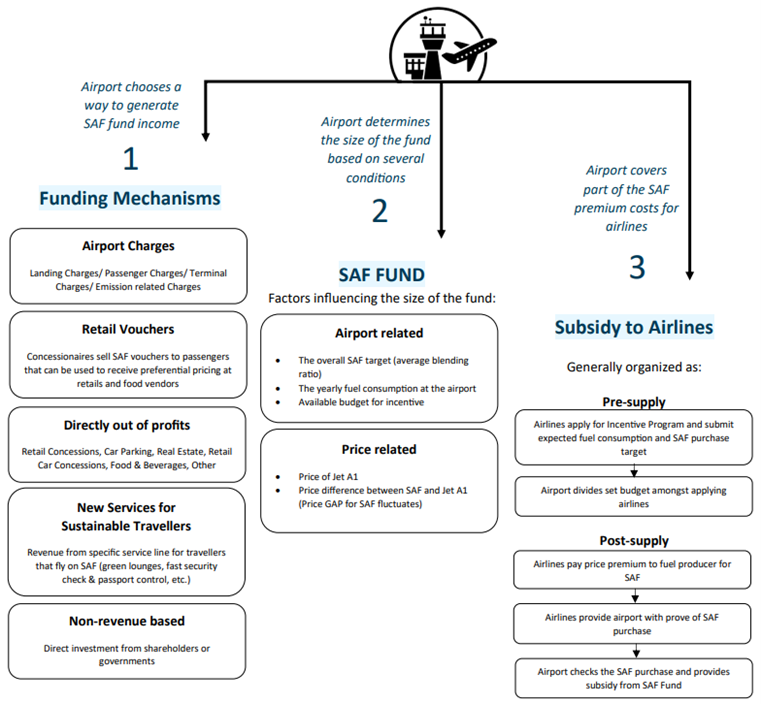
The following figure shows the step-wise approach: 

  1. First, the airport selects a funding mechanism from a variety of choices, as depicted in the first step of the figure, to generate revenue for the SAF fund. 
  2. Next, the airport establishes the conditions for the size of the SAF fund. These may be influenced by airport-specific factors, such as annual fuel consumption, as well as price-related factors like the market price of Jet A1. 
  3. Finally, airlines can apply for the SAF fund, and the airport grants the subsidy by covering a portion of the SAF premium expenses.  

By following these steps, airports can establish a fund to stimulate SAF adoption on their premises. To70 can support airports to apply these steps within their own unique context, – and provide analysis and eventual testing and implementation. By doing so, airports can use their unique infrastructure position and promote sustainable practices among relevant stakeholders. 


[1] Jiang, C., & Yang, H. (2021). Carbon tax or sustainable aviation fuel quota. Energy Economics, 103, 105570. 


Check out our open vacancies around the globe!

Posted inStrategy

Elevating Aviation Consultancy with LuciadLightspeed: A Visual Perspective

Data visualization is a cornerstone of aviation consultancy, playing a critical role in analyzing and presenting complex information. Hexagon LuciadLightspeed, a high-performance 2D and 3D geospatial visualization platform, has transformed the way To70 is able to analyze and communicate data to unlock valuable insights and provide impactful recommendations. In this article, we will explore how developing LuciadLightspeed enhances our consultancy services through its powerful features, which enable top-level analysis and effective communication.

Developing LuciadLightspeed for Aviation Consultancy

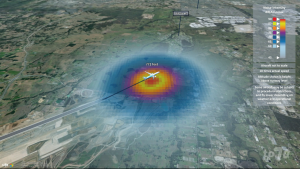
LuciadLightspeed is a cutting-edge visualization platform designed to fuse, visualize, and analyze geospatial data. Despite its many built-in capabilities, its key added value is the possibility to expand the existing framework with custom software, thus allowing our consultants to create ad-hoc solutions for specific problems or client requests. In this manner, we have successfully developed a series of supplementary capabilities which include the visualization of aircraft, flight paths and their noise footprints that can be replayed in real or fast time. Thus, by developing a specialized tool that surpasses generic solutions, our aviation expertise is leveraged with powerful geospatial visualization technology, a synergy enabling us to provide superior consultancy services.

Modernizing community engagement

To70 has developed LuciadLightspeed to change the way in which our consultants can represent flight data. Aircraft tracks could always be shown with the underlying topography by means of 2D plots. With LuciadLightspeed, we can now use the third dimension to gain a better understanding of how different flight paths relate to one another and the surrounding landscape, with the added immersion of moving around a 3D world integrating the terrain along the Earth’s surface. Furthermore, we can now assign custom aircraft models to these paths, and thus represent different aircraft types, sizes and liveries, and replay them over the flight path for visualization purposes. Lastly, we have developed the capability to visualize the flight’s noise footprint, thus showing how noise evolves through the trajectory in real or fast time. This representation of the noise generated by an aircraft, when shown over time and together with the aircraft model in 3D space, proves to be much more understandable and appealing to the public than the usual noise contour. With these components, the custom version of LuciadLightspeed developed by To70 can provide a more visual perspective to environmental impact assessments, thus bridging the gap between aviation growth and community engagement. Examples of such videos have already been published as part of the noise tool for Western Sydney International developed in collaboration with Aerlabs: Western Sydney International (Nancy-Bird Walton) Airport Aircraft Overflight Noise Tool.
Watch more on our Vimeo channel.

Expanding capabilities

Nonetheless, the potential capabilities that LuciadLightspeed has for us do not end there. These capabilities can be used to either aid ourselves in our work or as a service to the client. On the one hand, at To70 we combine our aviation expertise with real world data to gain insights into the operation and propose solutions to the client. The handling and presentation of this data becomes paramount to the subsequent analysis and understanding of the problem, for which LuciadLightspeed can greatly enhance our methods. We can now  visualize and analyze a wealth of data from various external sources, thus seamlessly integrating radar and ADS-B feeds, weather data, airport databases, and many more, allowing us to tap into a vast array of information that is crucial for gaining insights and making informed recommendations to the client. On the other hand, LuciadLightspeed can also be used for a more effective collaboration and communication with the client or for their purposes, such as for example community engagement projects.  With its advanced visualization capabilities, we can now convey complex concepts and insights in a clear and compelling manner. The platform allows us to transform data into visually impactful presentations to facilitate data-driven discussions, engage stakeholders and foster a deeper understanding of the information being shared, thus gaining new perspectives to make informed decisions. This enhanced communication helps bridge the gap between technical analysis and non-technical stakeholders, promoting transparency and facilitating meaningful dialogue.

To wrap it up

In conclusion, developing this framework can prove to be a game-changer in the way data is visualized, decisions are made and communication takes place. By leveraging LuciadLightspeed’s advanced visualization capabilities with our aviation expertise, we can unlock valuable insights leading to enhanced analysis and informed decision-making. Furthermore, it facilitates clear and compelling communication, enabling us to present complex concepts in a visually engaging manner to the public, fostering understanding and collaboration among stakeholders. With LuciadLightspeed, To70 can embark on a new era of data-driven insights, impactful recommendations and successful solutions.

Would you like to shape your career path with us? Join our team! There are open vacancies in our different offices around the world, click here to check them out.
Posted inAbout to70, News, Press

To70 and AerLabs support Western Sydney Airport environmental impact assessment by developing flight track website

On 27th June 2023, the initial flight tracks for the new Western Sydney Airport were unveiled through a user-friendly interactive noise tool developed by To70 in partnership with AerLabs, on behalf of the Department of Infrastructure, Transport, Regional Development, Communications and the Arts (DITRDCA). The noise tool allows residents to enter their addresses and visualise the extent to which their homes will be affected by aircraft noise disruptions.

The website provides a detailed display of the projected flight paths and their effects on nearby communities, aiming to foster community involvement in the Environmental Impact Assessment. Through clear communication of complex technical data and its implications for the local environment, the website encourages dialogue among the airport, government, and surrounding communities. To illustrate the situation effectively, it utilises maps and videos, linking the broader context to the specific impact in each location.

In the first 24 hours the website was visited over 150,000 times and the visualisations watched more than 65,000 times.

Rob Morris, Senior Aviation Consultant, To70 Australia Aircraft noise is experienced in very different ways, so we designed the tool to visualise flight path and noise impacts in a way which made it simple for people to understand the effect of airspace changes on them. We believe this is a great example of collaboration between To70 offices and our partners to leverage the depth and breadth of To70’s global experience pool and provide truly innovative solutions to our clients.”

Senior Aviation Consultant, To70 Europe, Maarten Tielrooij, emphasises: “These developments are an example of how we try to make the complex concept of aviation noise understandable to those who are most affected by it ”.

Founder and CEO of AerLabs, Robert Koster, remarks:  “Our mission is to reduce the environmental footprint of aviation with advanced tools that promote transparent and effective collaboration. With this capability, we are bringing a new level of value to stakeholder engagement by providing interactive access to the future flight paths and expected noise impact data.”.


Watch more on our Vimeo channel


AerLabs

AerLabs is an award winning, privately funded, Netherlands based aviation technology company whose mission is to reduce the environmental footprint of airports, Air Navigation Service Providers (ANSP), and aviation regulators across the world helping them move towards a net zero future. AerLabs provides its Echo software platform and services to enable the aviation industry to use data to dramatically reduce their noise and emissions impact for their stakeholders both for planning as well as near real time monitoring.

AerLabs was founded in 2018 by Robert Koster as part of TU Delft aerospace engineering and computer science programme and aerospace innovation hub to make aircraft noise and environmental modelling more accessible.

Posted inCapacity, Efficiency

Air traffic control: How to deal with uncertainty?

On the 21st of October last year I had the privilege to defend my dissertation titled: “Arrival Management in the Presence of Prediction Uncertainty”. In this blog, I will try to summarize what ended up being 11 years of work. It will describe where prediction uncertainty occurs, how the uncertainty may be determined and how that knowledge can be applied to visual interfaces and to algorithms.

Ref. M.Tielrooij, Arrival Management Support in the Presence of Prediction Uncertainty | TU Delft Repositories

Prediction uncertainty in Air Traffic Management

Modern Air Traffic Management systems use prediction of a flight’s trajectory as the basis for controller support. These applications include Short Term Conflict Alert (STCA), Medium Term Conflict Detection and Resolution CD&R, Arrival Management (AMAN), and flow/network management. Deliberately the above collection is ranked in terms of prediction horizon: The horizon is often determined by our ability to make a sufficiently accurate prediction for the application in which it will be used.

The accuracy of the prediction depends on the knowledge of the initial state of the flight, the knowledge of future events (weather, the intent of the aircraft but also of air traffic control), the degree to which we can model factors that influence the trajectory. With increasing horizon, the number and type of future events – or disturbances – increases. Hence, if we are no longer able to know and model these, the chance of a deviation between the prediction and the actual flown trajectory increases.

Different uncertainties for different flights

A lot of research has been, and is still being done, on increasing our ability to model. However, for applications such as arrival management (which rely on a desired prediction accuracy in the other of 10 seconds), the desired horizon is too large however. The European Regulation for Common Project One requires an AMAN horizon of 180 nm for Europe’s largest airports. London Heathrow, Paris Charles de Gaulle, Frankfurt Airport are all within 180nm from Amsterdam Schiphol Airport. Arrival management then invariably would require prediction (to the same order of magnitude of 10 seconds) of processes on the ground. With A-CDM requirements currently using a scope of 5 minutes as acceptable, this seems an impossible task.

If accurate predictions are not available, the next option is to make the system robust for uncertainty. The approach taken in my dissertation is to make the knowledge of uncertainty an integral part of the decision-making process.

Predicting uncertainty 

The prediction accuracy is a key performance parameter in any ATM algorithm. In testing of the design, a generic accuracy is often determined that applies to all flights for which a prediction is made. Such an approach disregards that the accuracy can vary from time to time and even from flight to flight.

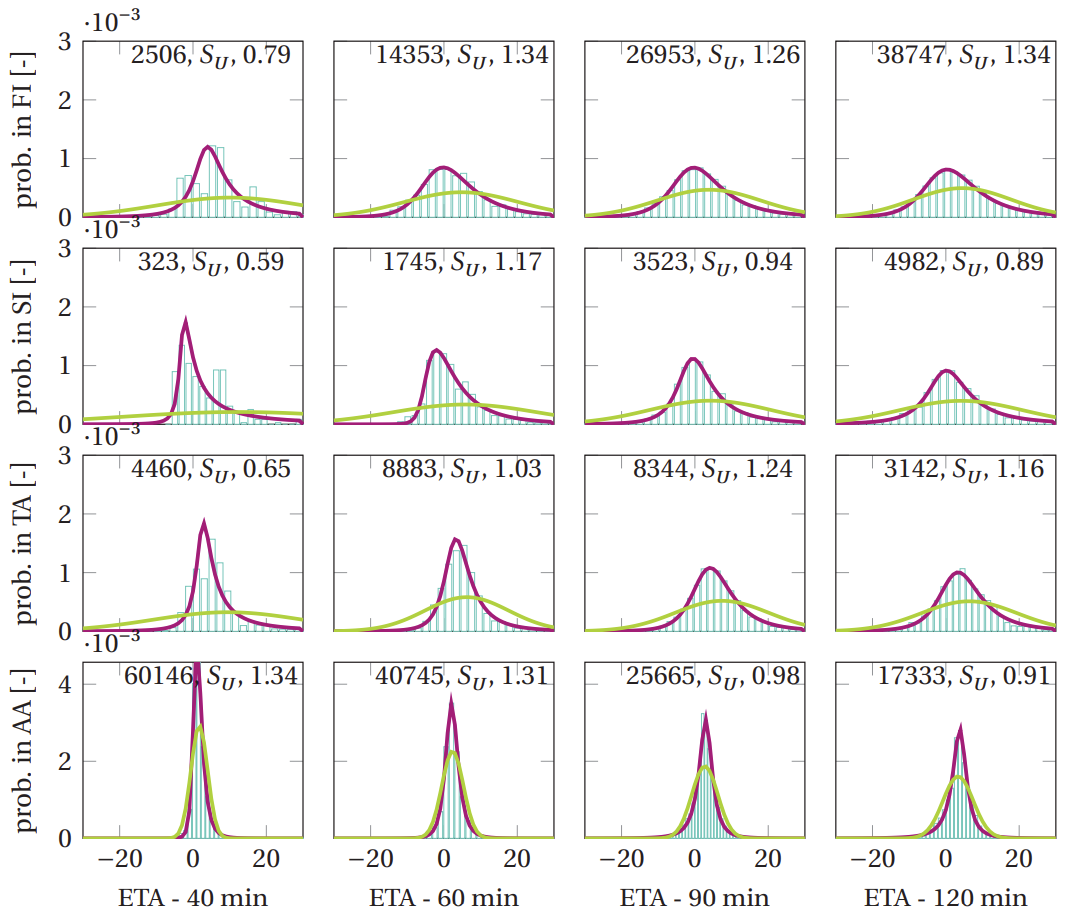
By analysing predictions from the EURCONTROL Network Manager, the dissertation develops a method that evaluates the properties of a flight to determine the actual prediction uncertainty. In this way the previously described horizon could be dynamically changed based on the accuracies of the predictions at that moment. Benefitting from that requires making the abstract concept of uncertainty meaningful in regards to operational constraints.

Ref. M. Tielrooij, C. Borst, M.M. van Passen, M. Mulder “Predicting Arrival Time Uncertainty from Actual Flight Information” – 11th USA/Europe ATM Seminar, 2025

Making the uncertainty visible

Prediction uncertainty in arrival management manifests as an uncertainty in time. The uncertainty is therefore a property of a property of a flight. This makes the concept particularly hard to visualise. By showing the potential effect of the uncertainty on the arrival management timeline, the dissertation translated the concept into an effect that can be related to constraints in decision making.

Ref. Tielrooij, D. Nieuwenhuisen, C. Borst, M.Mulder “Supporting Arrival Management Decisions by Visualising Uncertainty” SESAR Innovation Days 2013

Changing our strategies

The diagram proposed above proved hard to understand for experiment operators. One critical factor in their use of the diagram was the problem that uncertainty requires a different planning approach. Critical evaluation of the display ultimately provided another route to improve strategies. Based on the diagram an algorithm was developed that provides the horizon at which a sequence swap would be unlikely. Such an algorithm could support a dynamic working horizon based on the actual prediction uncertainty of the moment. A graduate student from the Delft University of Technology recently successfully applied the algorithm on a different prediction source to support debunching of inbound traffic.

Ref. E. Oosterhof “Effect of Trajectory Prediction Uncertainty on a Probablistic Debunching Concept for Inbound Air Traffic”, MSc theses, 2022

Conclusion

Prediction uncertainty is a hard problem but here to stay in aviation. This work showed pathways to start using it as another piece of information in decision-making. Within To70 I hope to apply the knowledge gained during my PhD to support ATM in working with it, rather than trying to avoid it.


Check out our open vacancies around the globe!